

 русский
  Español
  عربى
عربى 


Piggyback Brake Chamber Selection Guide for Commercial Vehicle Fleets and OEM Buyers
Content
Piggyback Brake Chamber: What It Does and Why Specs Matter
When a trailer sits overnight and you hear a hiss from the service port on a piggyback brake chamber, the diaphragm has likely started to fail. The chamber may still develop some brake force, but the parking and emergency functions are no longer reliable. The right replacement is not simply the cheapest unit from the same catalog page. It is the one whose travel, port type, and clamp configuration match the original actuator on the vehicle.
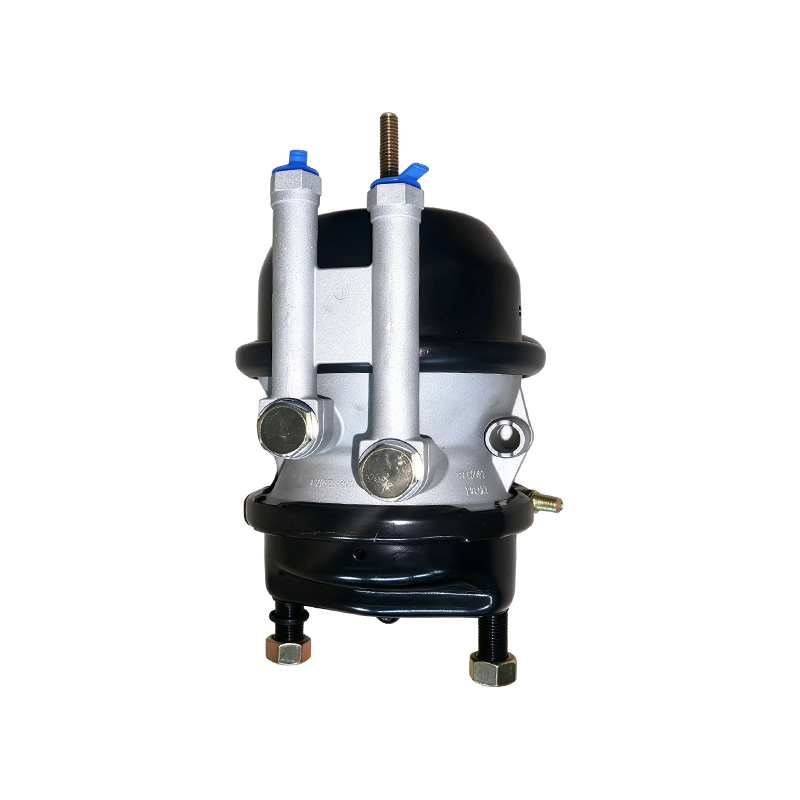
Piggyback brake chambers are found on semi-trailers and heavy trucks. The name refers to a housing that contains both a service brake diaphragm and a spring brake mechanism in one installable unit. In many trailers, this combined layout saves space while providing two braking modes. The service side operates on compressed air for normal braking. The spring side holds a powerful spring that applies the parking brake automatically if system air pressure is lost.
From a procurement point of view, the piggyback chamber is not a generic part. You must choose one that matches the stroke and port design of the vehicle. A mismatch in any of these factors can cause brake drag, inadequate shoe travel, and high repair costs. Start with the original part number if the trailer manufacturer still labels it, then convert the relevant dimensional values from the table below.
How a Piggyback Brake Chamber Works
The basic operation is split into two circuits. The service diaphragm gets air through the service port. As air pressure enters, the diaphragm pushes the pressure plate forward and moves the pushrod. That motion turns the slack adjuster and applies the brake shoes. The spring circuit uses a large coil spring inside the rear housing. Compressed air in that cavity compresses the spring. When the air pressure is dropped, either intentionally or because of a leak, the spring expands and sets the parking brake. This means the piggyback chamber is a safety component, not a pass-through part.
- Service side: compressed air pushes the diaphragm against the pressure plate to apply the brake.
- Spring side: compressed air holds the spring compressed; when air pressure drops, the spring extends and sets the brakes.
Long stroke piggyback chambers extend the pushrod travel from 2.5 inch to 3.0 inch. That extra travel is useful on air-ride trailers where suspension movement can eat up brake shoe travel. At the same time, long stroke units must match the slack adjuster geometry. If you drop a standard stroke chamber onto a long stroke application, the brake shoes may not fully contact the drum.
Key Specifications That Affect Fitment and Performance
When you source a piggyback brake chamber for a fleet, ask for the output force and the pushrod travel together. The most common values for heavy commercial vehicles are 24/30 and 30/30, which refer to the effective diaphragm area in square inches. A larger area means more force under the same air pressure. But the stroke must still match the vehicle's foundation brake.
| Model | Stroke | Port Type | Application |
|---|---|---|---|
| 2430DD Piggyback Long Stroke Safety Chamber | 3.0 in | M22 | Heavy duty semi-trailer |
| 3030DD Piggyback Heavy Duty Long Stroke Chamber | 3.0 in | M22 | Bulk and construction trailer |
| 3030DD 2.25 Piggyback High Performance Stable Chamber | 2.25 in | 1/2 NPT | Liner and flatbed trailer |
| ADB1624 Piggyback Precision Control Chamber | 2.25 in | Voss | City delivery trailer |
In the table, the port types are not interchangeable. A M22 port needs a M22 fitting. A Voss port uses a different hose fitting. If you try to tighten an NPT fitting onto a M22 port, the taper will cut into the threads and the fitting will leak. This is one of the most common installation errors on commercial trailers.
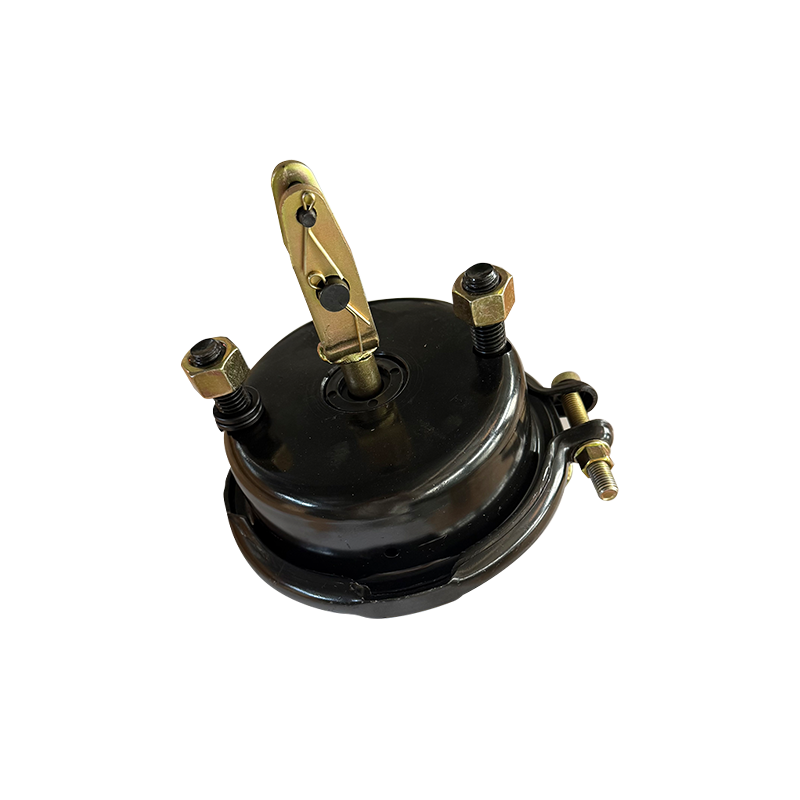
For long stroke applications, the 3030DD piggyback heavy duty long stroke brake chamber gives the extra travel that dump trailers and hopper trailers need. The 3030DD long stroke chamber is available with the standard M22 port and a durable aluminum housing.
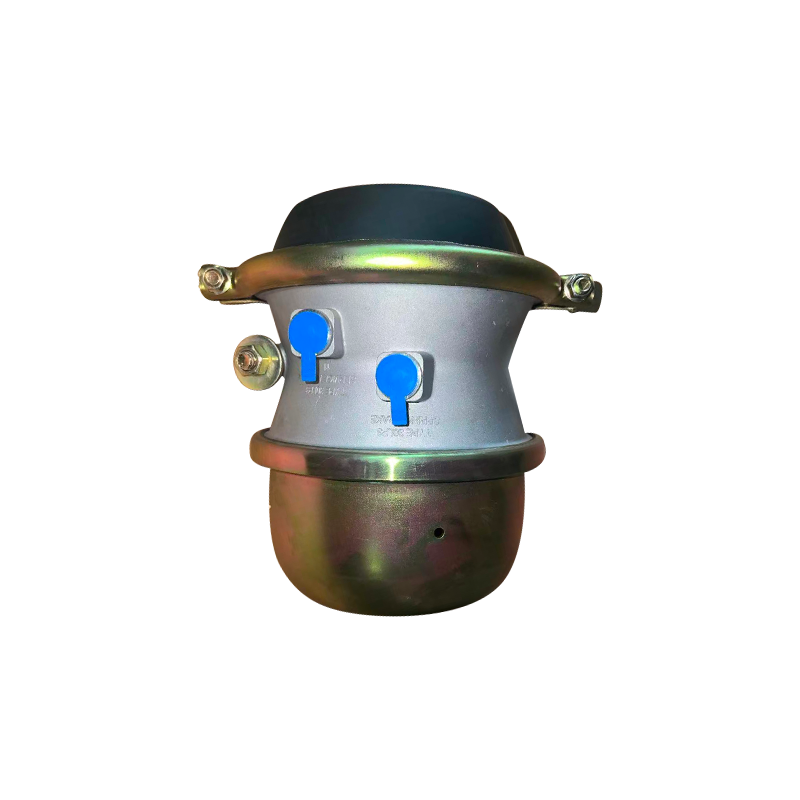 3030DD Piggyback Heavy Duty Long Stroke Brake Chamber for TrailersDesigned for dump and hopper trailers, this 3030DD chamber provides extra travel for worn brake linings and is built with an aluminum housing and standard M22 port.View Product →
Installation and Maintenance Points for Piggyback Chambers
Service failures on piggyback chambers usually appear in the same stages. First, the diaphragm edge starts to leak. Then the clamp band loosens because the rubber has hardened. In cold regions, condensation in the spring cavity can freeze and hinder spring return, reducing parking force.
Before installing, use a caliper to measure the pushrod travel. Align the mounting bracket so the clamp band does not drag on the frame. Torque the clamp evenly in a star sequence. Never torque one side first. This keeps the diaphragm centered and reduces the chance of an air leak.
- Check the stroke by pulling the pushrod fully and comparing it to the original chamber.
- Compare port threads. Do not use PTFE tape to force a mismatched fitting.
- Align the clamp bolt to the existing bracket before tightening.
- Inspect the return spring for corrosion before disposing of the old unit.
A safety issue: if the piggyback chamber is used as the only parking brake on a trailer, the spring side must be sufficient to hold the vehicle on the planned grade. When the chamber fails, the trailer can roll. That is why replacing a leaking unit with a cheaper but incorrectly sized one is a safety risk. The effect of this risk is shown in how a brake chamber ensures commercial safety.
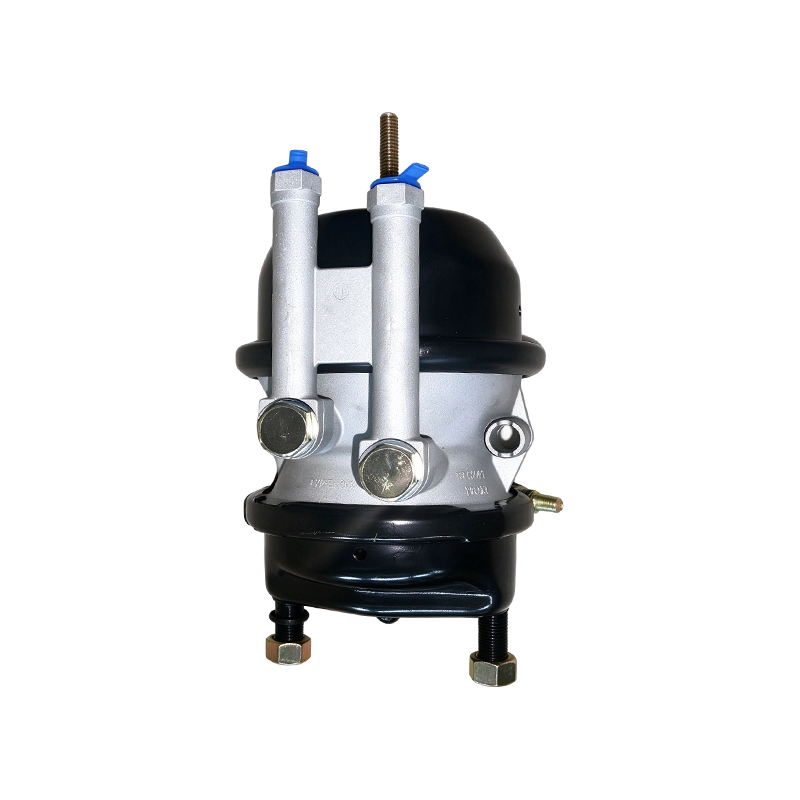
For a trailer that runs at low weights with frequent stops, the ADB1624 piggyback precision control chamber provides a compact 2.25 inch stroke and Voss port. This model works well on city delivery vehicles where the brake cycle is more frequent.
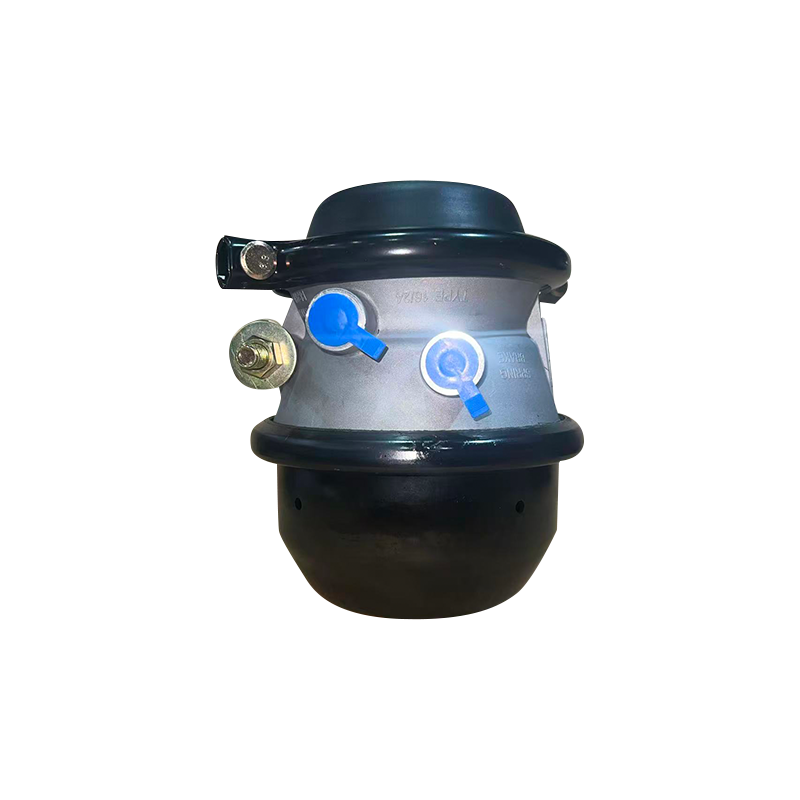 ADB1624 Piggyback Precision Control Brake Chamber with 2.25" StrokeOptimized for city delivery vehicles, its compact 2.25-inch stroke and Voss port enable precise control during frequent stops, with a modular design for easier maintenance.View Product →
Choosing a Reliable Supplier for Piggyback Chambers
When you compare suppliers, look at the level of testing and the traceability of the finished product. A good supplier will share test reports for their high and low temperature cycles, performance curves, and service life. At Zhejiang Rongzhan Machinery we see ourselves as a professional manufacturer with in-house die casting and stamping, so we keep control of the supply chain. That structure allows the sort of short delivery times and cost-effective pricing that fleets need, while maintaining quality.
A piggyback chamber for the aftermarket must be produced under a quality management system. IATF 16949 certification is a useful benchmark. It means the factory documents processes for incoming material inspection, process control, and final testing. The supplier should also fulfill the contract requirements for marking and packaging. Some customers require a specific protective cap or surface treatment to resist salty environments.
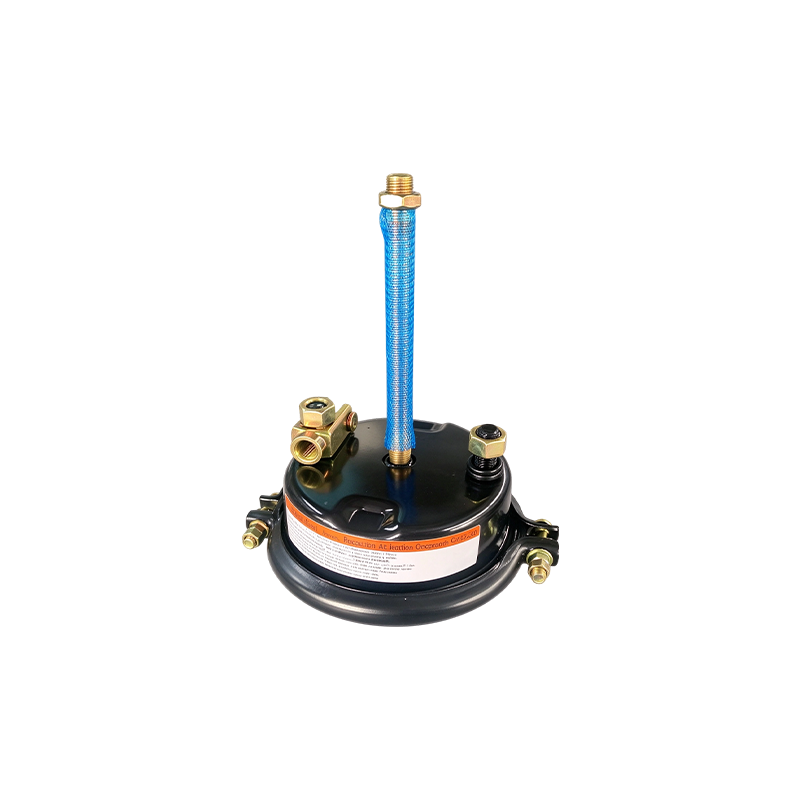
For operators who want the strongest safety margin, the 2430DD piggyback long stroke safety chamber combines a 3 inch stroke with a clamping-style seal. The 2430DD is a common choice on long-haul trailers where a long stroke chamber provides the required braking reserves. A defective chamber can undermine the entire foundation brake system, so the decision to buy a low-cost alternative is not worth the added risk.
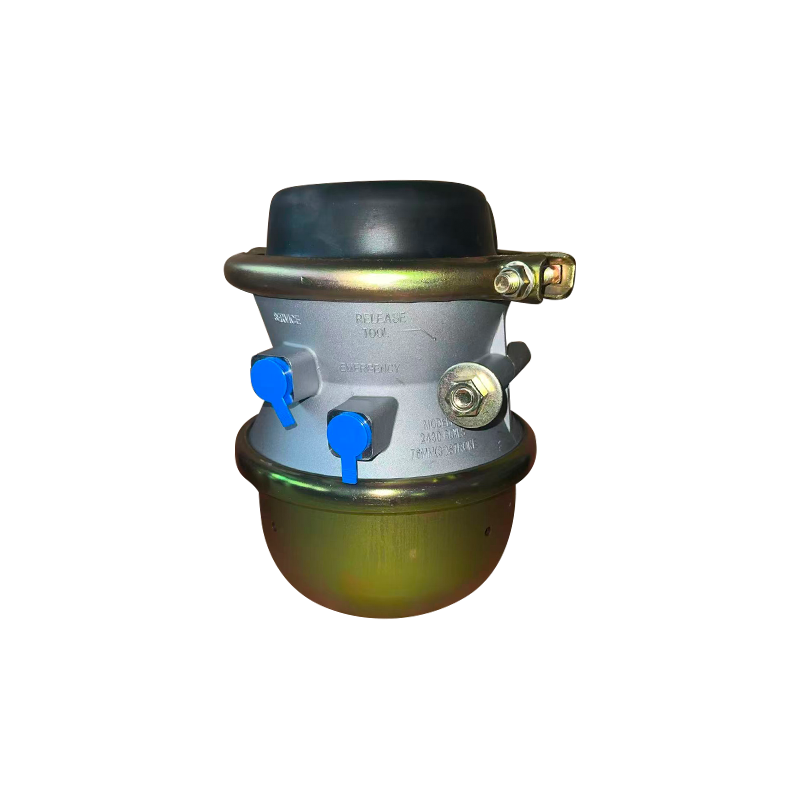 2430DD Piggyback Long Stroke Safety Brake Chamber with Clamping SealThis model offers a 3-inch stroke and clamping-style seal, providing a greater braking reserve for long-haul trailers, ensuring safety even with worn brakes.View Product →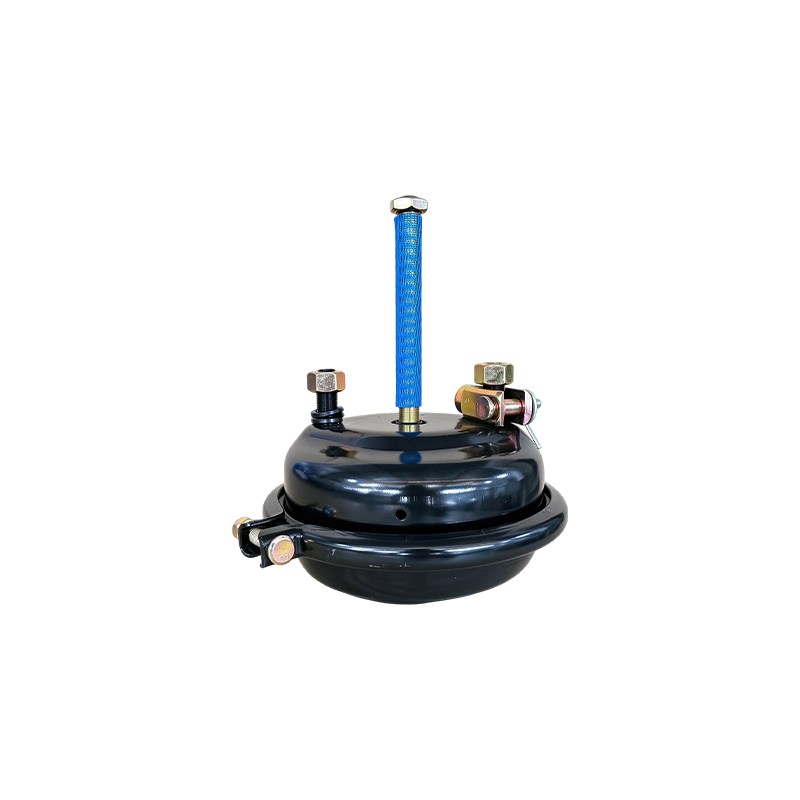



-
A Sourcing Scenario Every Fleet and OEM Buyer Should Recognize A fleet maintenance supervisor appro...
-
A fleet running 40-ton tractors can feel the difference between two nominally identical S-cam brake...
-
A truck pulls into the shop with the low-air warning light flickering at the end of a delivery rout...
-
A heavy duty brake chamber that fails at 200,000 miles instead of 600,000 miles is rarely a design ...
-
Ask any fleet maintenance manager who has rebuilt a spring brake actuator and they will tell you th...
-
If you are qualifying a wedge brake chamber factory, settle five things before you talk about price...

- WHY US
- Company Profile
- Certifications
- News
- PRODUCTS
- S-Cam Type Brake Chamber
- DISC Brake Chamber
- Wedge Brake Chamber
- Piggyback Brake Chamber
- Brake Chamber Repair Kits
- MANUFACTURING
- Customer Service
- Factory Tour
-
-
No.90 Zhancheng Avenue, Zhuji City, Zhejiang Province, China

-
rongzhan@zjrongzhan.com / judith@zjrongzhan.com

-
+86-15258814607

-
- CONTACT


