

 русский
 Español
 عربى



Long Stroke Piggyback Suppliers: A Practical Sourcing Guide for Fleets
Content
Ask any fleet maintenance manager who has rebuilt a spring brake actuator and they will tell you the same thing: the difference between a good long stroke piggyback chamber and a troublesome one rarely shows up in the catalog. It shows up at 2 a.m. on a highway shoulder, or during an inspection when the service stroke has grown past the safe limit. For buyers evaluating long stroke piggyback suppliers, the practical shortcut is to focus on four things: stroke accuracy, seal integrity, production consistency, and test evidence. A supplier who can demonstrate control over all four will almost always be easier to work with than one who only promises a familiar brand.
What Long Stroke Piggyback Means in Real Service
A piggyback chamber combines a service brake chamber and a spring brake chamber in a single assembly, with the spring brake mounted directly behind the service section. That layout saves space on the axle while keeping parking and emergency braking functions in one unit. A long stroke version increases the usable stroke of the service diaphragm, which matters more than many buyers realize.
Drum brakes change geometry as linings wear. If the chamber stroke is too short, the pushrod reaches its travel limit before the brake develops full clamping force, which reduces braking power and accelerates diaphragm wear. Long stroke piggyback chambers give the brake a wider operating window, so the vehicle can run longer between manual adjustments and is less likely to enter an over-stroke condition on long descents or repeated braking cycles.
In everyday fleet terms, that wider window translates into longer service intervals, fewer stroke-related pressure losses, and lower maintenance exposure per mile on trucks and trailers. It also makes the vehicle more predictable for drivers who operate at varying load weights.
What to Verify Before You Qualify a Supplier
Catalog specifications set the baseline, but the way a supplier builds the chamber determines whether the product still performs after hundreds of thousands of miles. The following checks should be part of every vetting process.
Stroke Accuracy and Usable Travel
A long stroke chamber is only useful if its stroke rating is consistent from unit to unit. Ask the supplier how they measure stroke and what tolerance they hold. Manufacturers with in-house test equipment can usually produce performance curves showing pushrod stroke, force output, and release pressure for each model. If a supplier cannot explain the relationship between the service stroke and the spring brake stroke in their own product line, that is a warning sign.
Seals, Ports, and Installation Fit
Leakage is the most common field failure in spring brake chambers, and it almost always traces back to the diaphragm compound and the sealing geometry around the pushrod and service ports. Port compatibility deserves special attention in global sourcing: M22 ports, Voss interfaces, and M18 configurations all appear in different regional markets. A supplier who offers the port style your assembly line or repair network actually uses removes the need for adapters and reduces potential leak points. For a closer look at how this is validated, review this overview of heavy-duty brake chamber sealing performance.
Housing Quality and Corrosion Protection
The housing and clamps carry the clamping load that holds the diaphragm in place. In a piggyback chamber, the spring brake section generates far higher internal force than a service-only chamber, so the quality of the aluminum die casting and the surface finish directly affects fatigue life. Suppliers that operate their own die-casting and stamping lines can control wall thickness and clamp geometry; those that buy housings from multiple subcontractors cannot offer the same consistency.
Why Manufacturing Integration Matters When Choosing Suppliers
Long stroke piggyback chambers are high-volume components, but they are also safety-critical. That combination means supplier evaluation must go beyond the drawing set and look at how the factory is organized.
Zhejiang Rongzhan Machinery produces spring brake chambers, service brake chambers, and piggyback combinations for commercial vehicles. The company operates its own aluminum die-casting and stamping workshops, which keeps the critical housings and clamp components under one roof. This vertical integration is one reason the manufacturer can hold competitive pricing without depending on spot-market subcontracting, and it gives buyers a single accountable source for the parts that determine chamber performance.
Quality control at the factory runs from incoming raw material to finished units, and every chamber is inspected before shipment. An in-house laboratory supports the process with high-temperature, low-temperature, performance, and service life test reports on request. The plant operates under IATF16949 certification, and its primary export destinations are Europe and North America. Buyers who need documented evidence for their own supplier qualification process will find that the data is available directly from the factory. More background on the company's manufacturing setup and export experience is available on the about page.
Long Stroke Piggyback Configurations at a Glance
Because buyers source these chambers for different axle loads, vehicle types, and regional air systems, it helps to see the main configurations side by side. The table below summarizes the long stroke piggyback family produced by our plant.
| Product | Type combination | Design emphasis | Typical application |
|---|---|---|---|
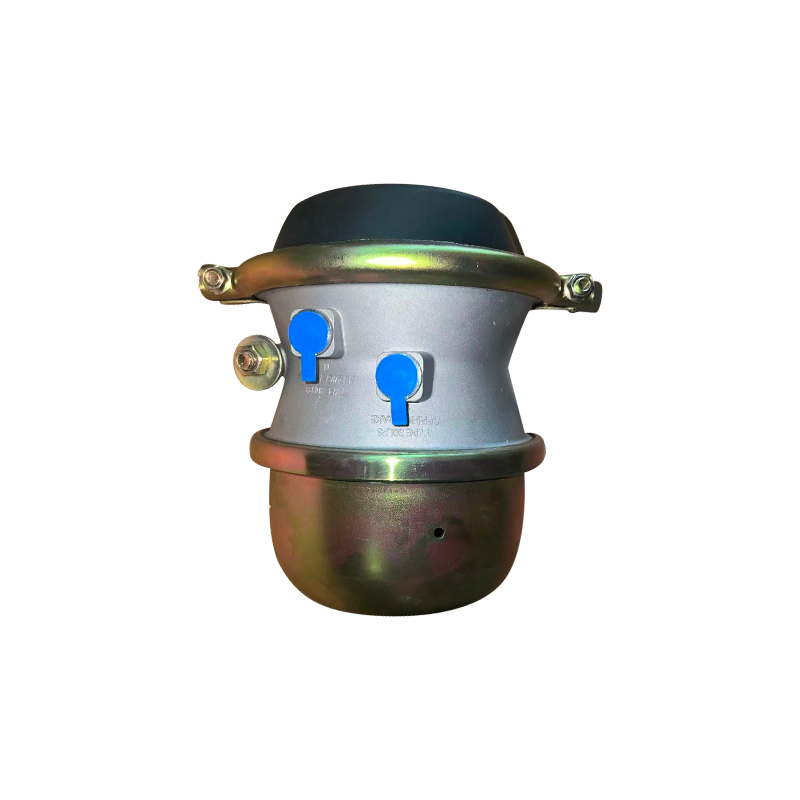
| 2430DD Piggyback Long Stroke Safety Chamber | Type 24 service / Type 30 spring brake | Long stroke with reserve travel for safety | Trucks and trailers where parking brake holding is critical |
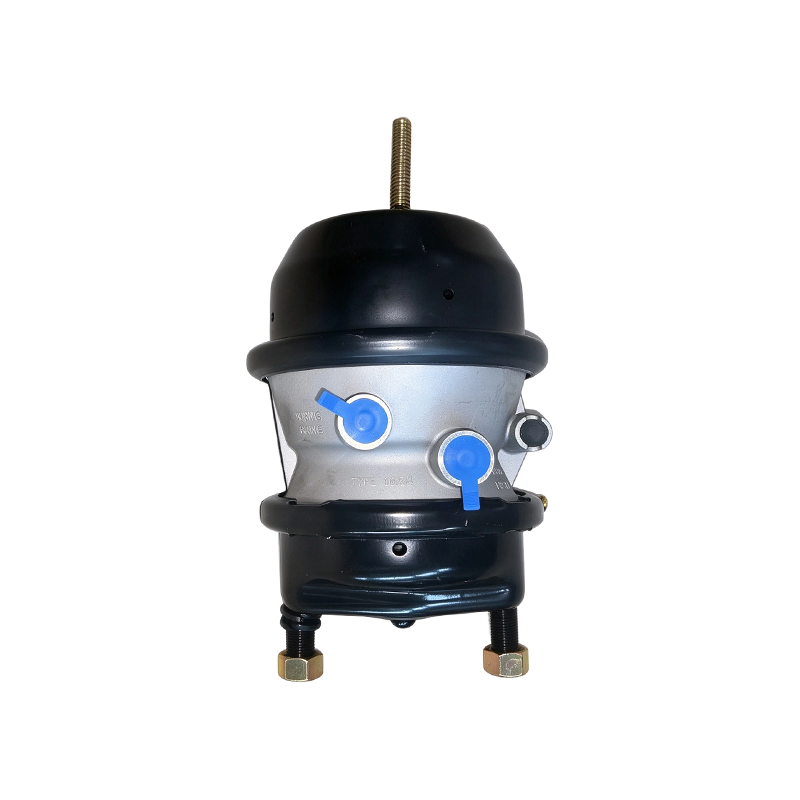
| 3030DD Piggyback Heavy Duty Long Stroke Chamber | Type 30 service / Type 30 spring brake | Heavy-duty long stroke for high-cycle service | Linehaul tractors and heavy trailers |
| 3030DD 2.25 Piggyback High-Performance Stable Chamber | Type 30 service / Type 30 spring brake | 2.25 stroke family tuned for stable output | Applications that demand consistent release and reapply behavior |
| ADB1624 Piggyback Precision Control Chamber | Compact piggyback architecture with precision control | Space-saving layout for controlled actuation | Platforms with limited axle clearance |
For most buyers, the decision comes down to the 2430DD and 3030DD families. The 2430DD balances service chamber size and spring brake capacity for trailer applications, while the 3030DD provides the larger Type 30 service section for heavy trucks. The 2.25 version targets operators who have standardized on a shorter stroke setting and want a chamber built around that specification.
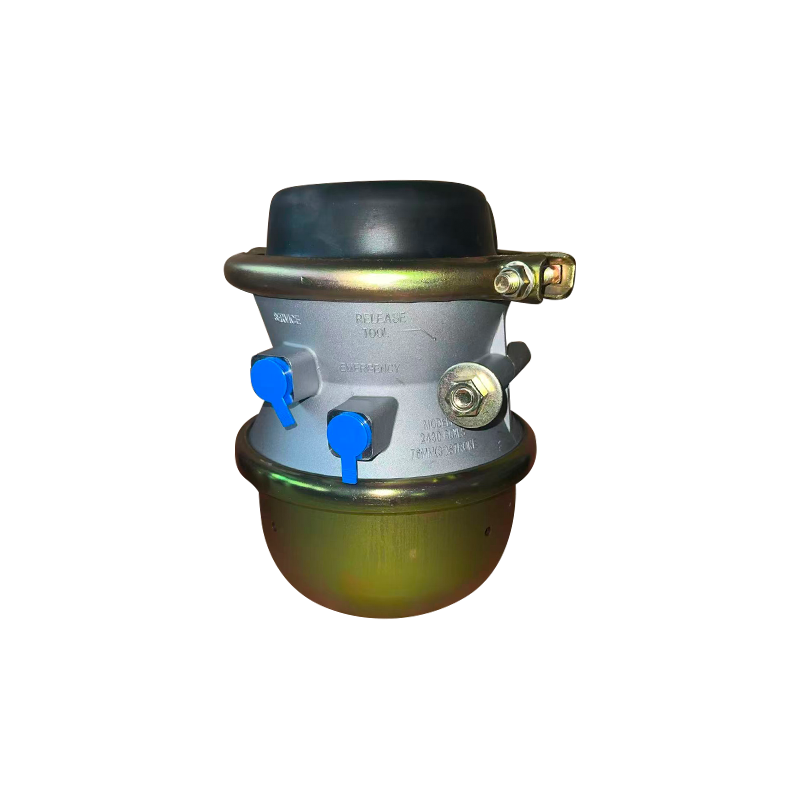 2430DD Piggyback Long-Stroke Double-Diaphragm Brake ChamberEngineered for 2430 long-stroke trailer braking, this chamber offers 2.5- or 3-inch stroke options, 10 Bar operation, and wide temperature tolerance. Its piggyback design allows individual component replacement, making it a practical pick for fleet maintenance.View Product →
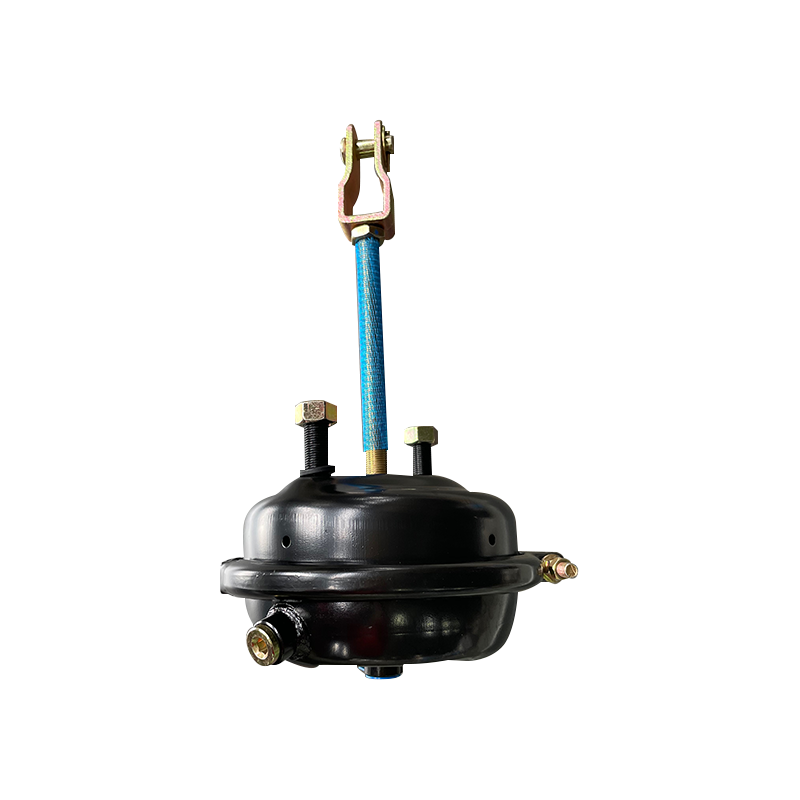
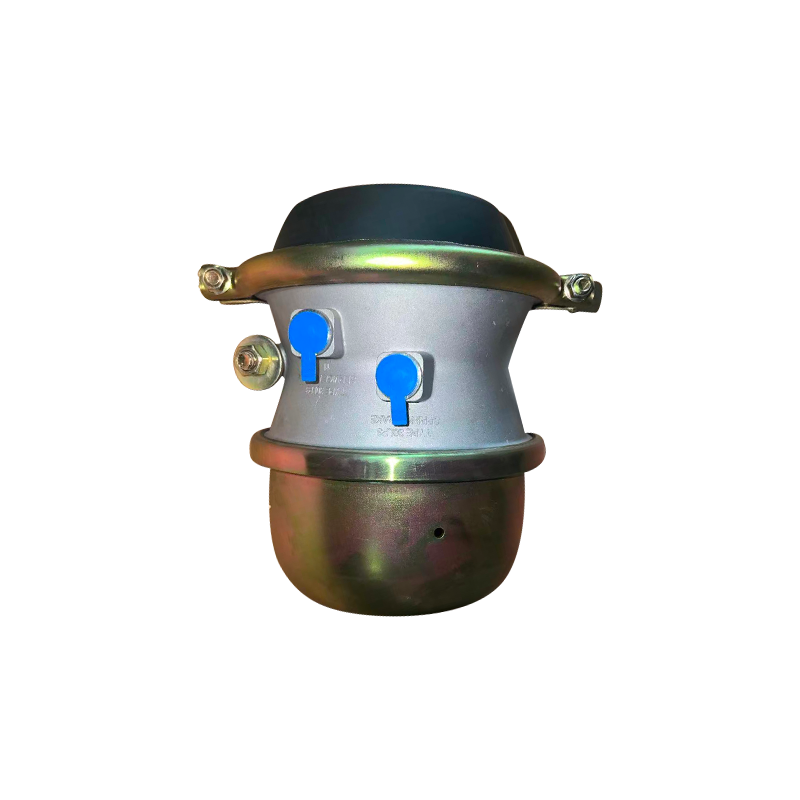 3030DD Piggyback Heavy-Duty Long-Stroke Brake ChamberBuilt for heavy-duty trailers and large trucks, this Type 30 service chamber provides extended pushrod travel for reliable braking under load or wear. It features 10 Bar pressure rating, salt-spray corrosion resistance, and protective shipping measures for safe delivery.View Product →
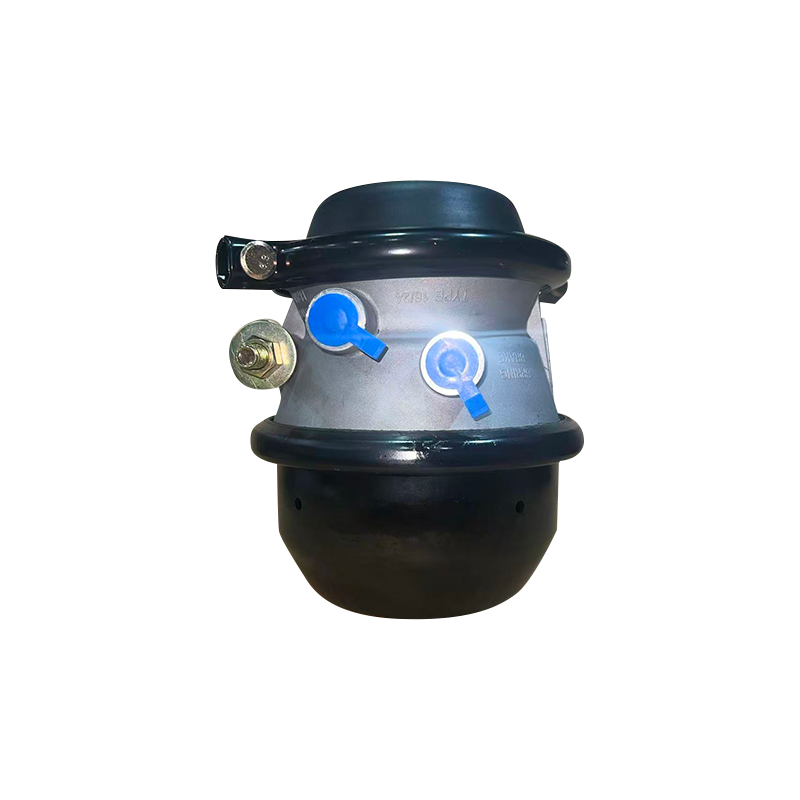
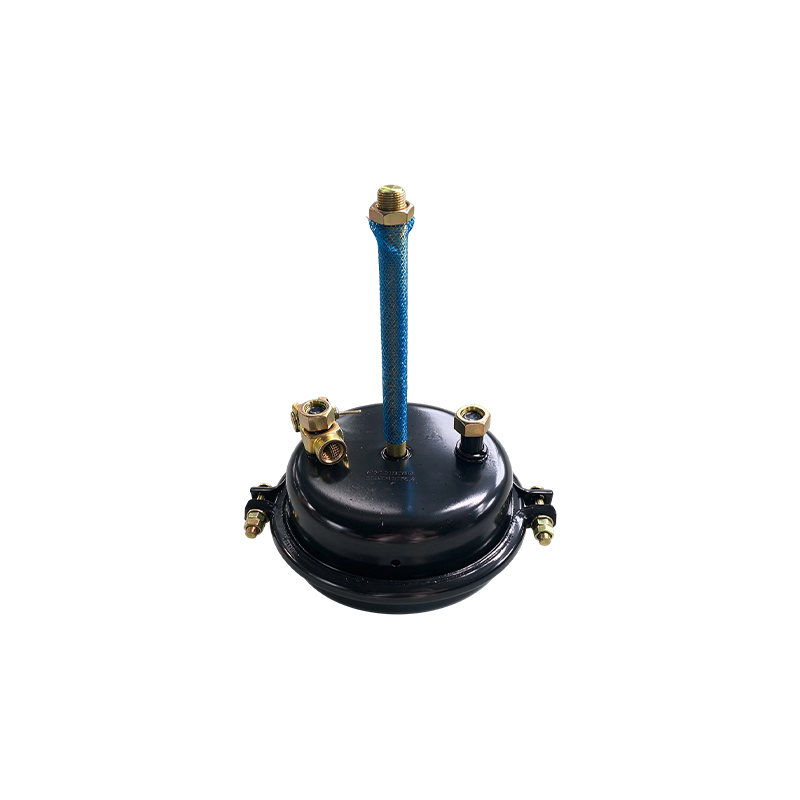
 3030DD 2.25-Inch Piggyback High-Performance Brake ChamberThis 3030-series actuator with a 2.25-inch stroke suits operators standardizing on shorter travel. It delivers consistent braking force, passes endurance bench testing, and simplifies maintenance through replaceable components, supporting heavy-duty service with a 12-month warranty.View Product →
Each model in the long stroke piggyback range can be matched to the air system configuration and mounting style of your platform. When you compare these products across suppliers, ask for the same data sheet from every manufacturer: stroke curve, release pressure, leak test results, and the materials used for the diaphragm and O-rings.
A Practical Sourcing Checklist
When you evaluate long stroke piggyback suppliers, work through the same checklist in the same order every time.
- Define the stroke requirement first. Note the service chamber type, spring brake type, and stroke class that your vehicles or customers actually need.
- Verify port and fitting compatibility. Confirm whether M22, Voss, or M18 ports match the air system components you already use.
- Ask for performance and life test data. A factory-backed test report carries more weight than a marketing claim.
- Review customization options. Some buyers need modified rod ends, specific surface treatments, or packaging that suits their assembly line.
- Confirm capacity and lead time. A manufacturer producing millions of units per year absorbs demand spikes more easily than a workshop with limited capacity.
Running the same checklist across every candidate keeps the comparison fair and makes it easier to justify the final selection to your own purchasing department.
The Bottom Line
Long stroke piggyback suppliers are not interchangeable. The differences that matter are measurable: stroke consistency, seal integrity, in-house manufacturing control, and documented testing. Start with the stroke and port requirements of your actual vehicles, then use test data and factory capability to narrow the list.
If you are qualifying suppliers for a long stroke piggyback program, compare the configurations above against your specification and ask the factory for the corresponding test reports. That single request will reveal more about a supplier's real capability than any price list.



-
Piggyback Brake Chamber: What It Does and Why Specs Matter When a trailer sits overnight and you he...
-
A Sourcing Scenario Every Fleet and OEM Buyer Should Recognize A fleet maintenance supervisor appro...
-
A fleet running 40-ton tractors can feel the difference between two nominally identical S-cam brake...
-
Two suppliers quote the same Type 20 service wedge brake chamber, and one is 20 percent cheaper. Si...
-
If you are qualifying a wedge brake chamber factory, settle five things before you talk about price...
-
QUICK ANSWER A disc brake chamber converts compressed air pressure into the mechanical force that ...

- WHY US
- Company Profile
- Certifications
- News
- PRODUCTS
- S-Cam Type Brake Chamber
- DISC Brake Chamber
- Wedge Brake Chamber
- Piggyback Brake Chamber
- Brake Chamber Repair Kits
- MANUFACTURING
- Customer Service
- Factory Tour
-
-
No.90 Zhancheng Avenue, Zhuji City, Zhejiang Province, China

-
rongzhan@zjrongzhan.com / judith@zjrongzhan.com

-
+86-15258814607

-
- CONTACT


