

 русский
  Español
  عربى
عربى 

INQUIRY NOW

-
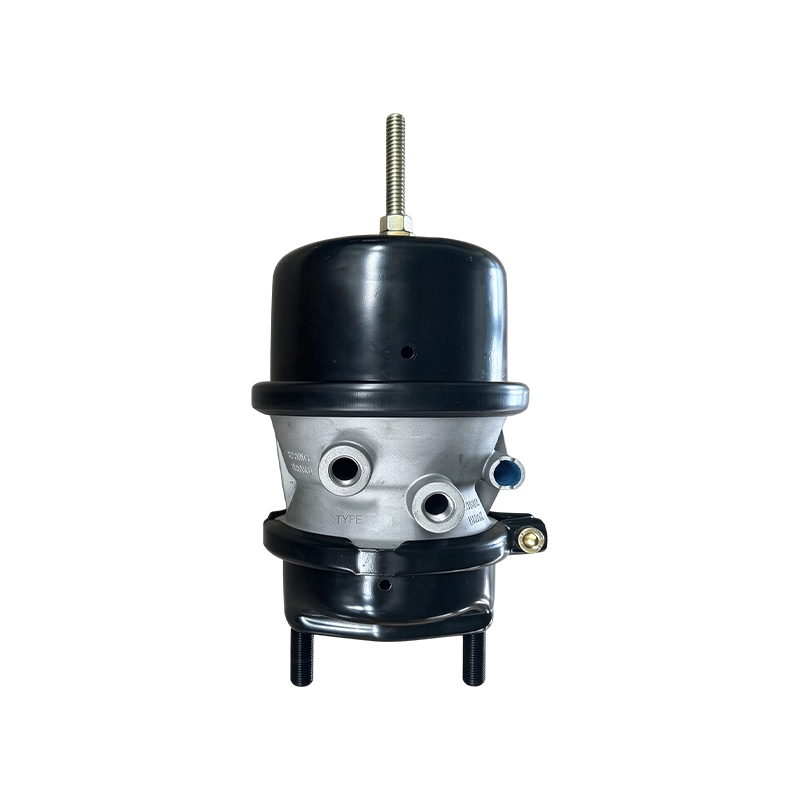



T16/24 Clevis-Fork Disc Brake Chamber
-
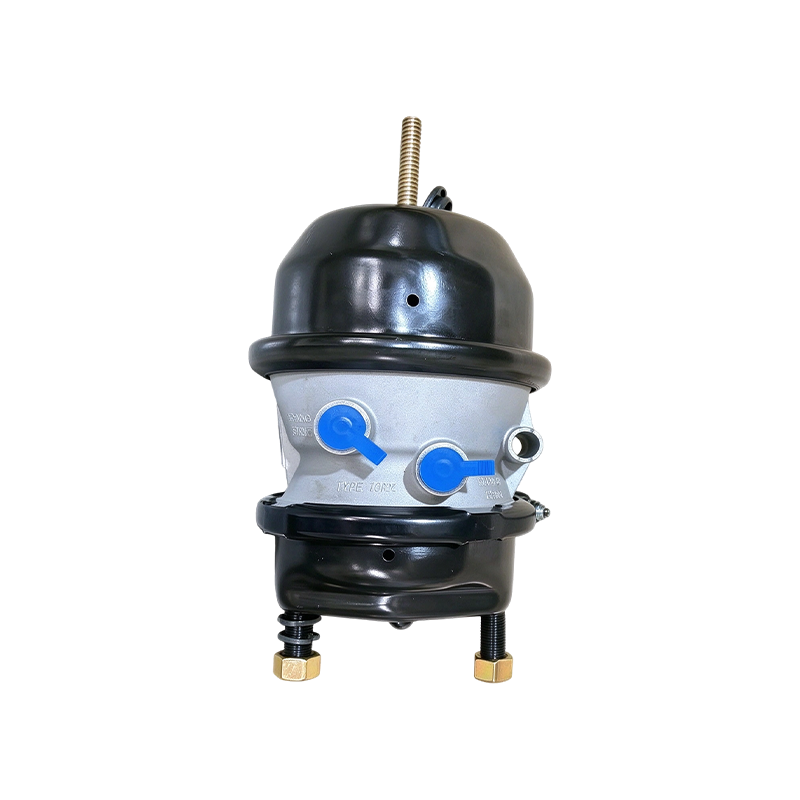
T16/24 Manual-Release Disc Brake Chamber
-
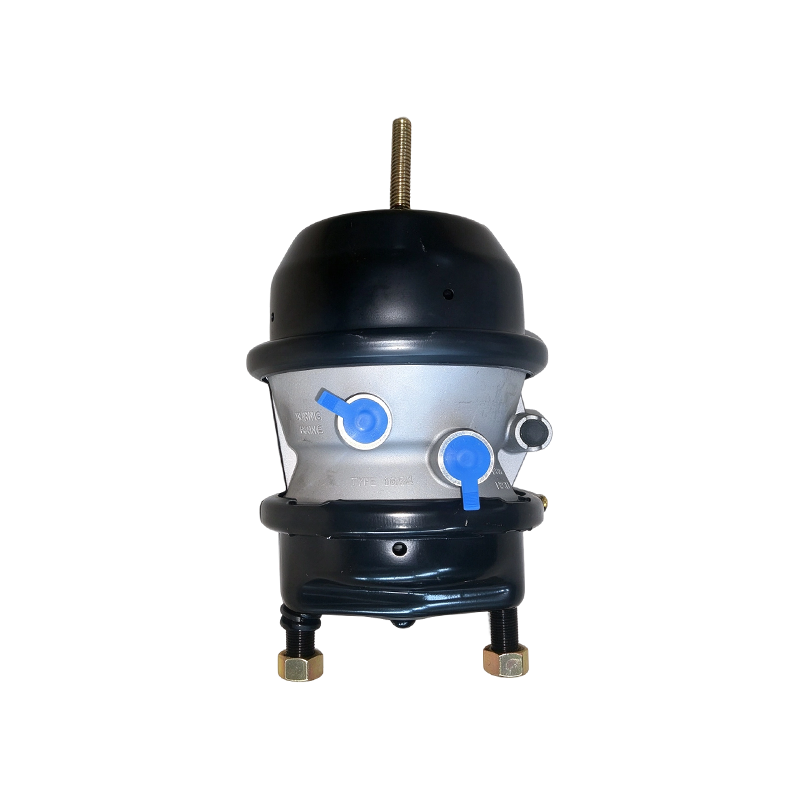
T18/24 Long-Stroke Manual-Release Disc Brake Chamber
-
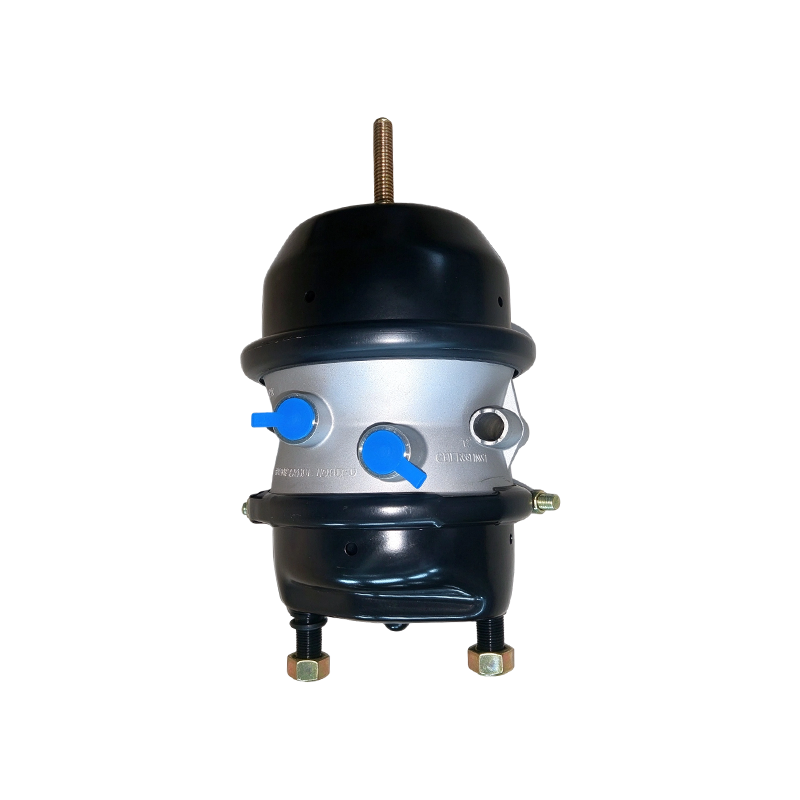
T20/24 Heavy-Duty Manual-Release Disc Brake Chamber
-
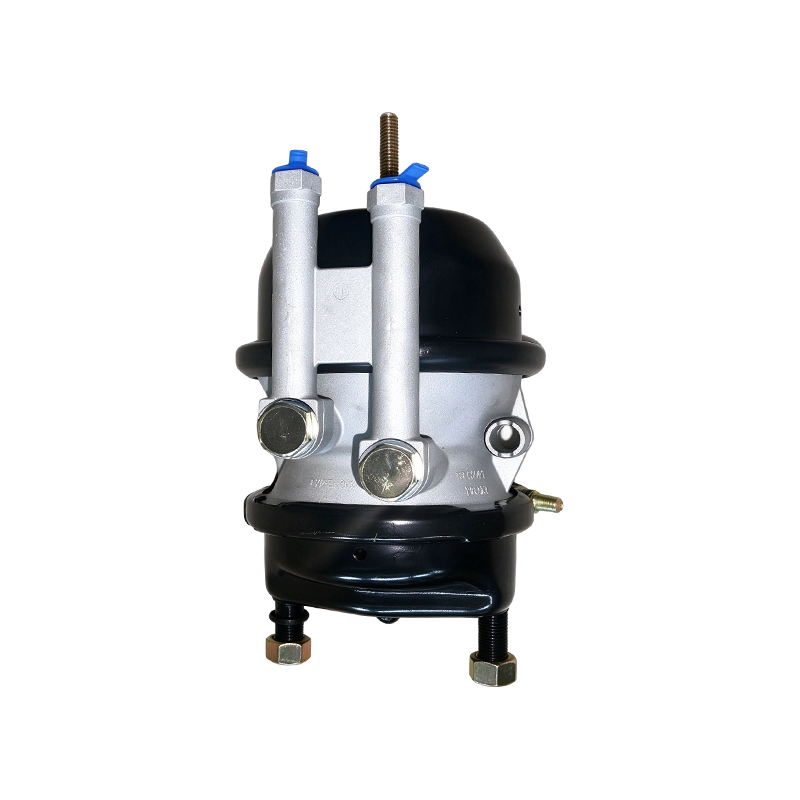
T16/24 Dual-Rod Disc Brake Chamber
-
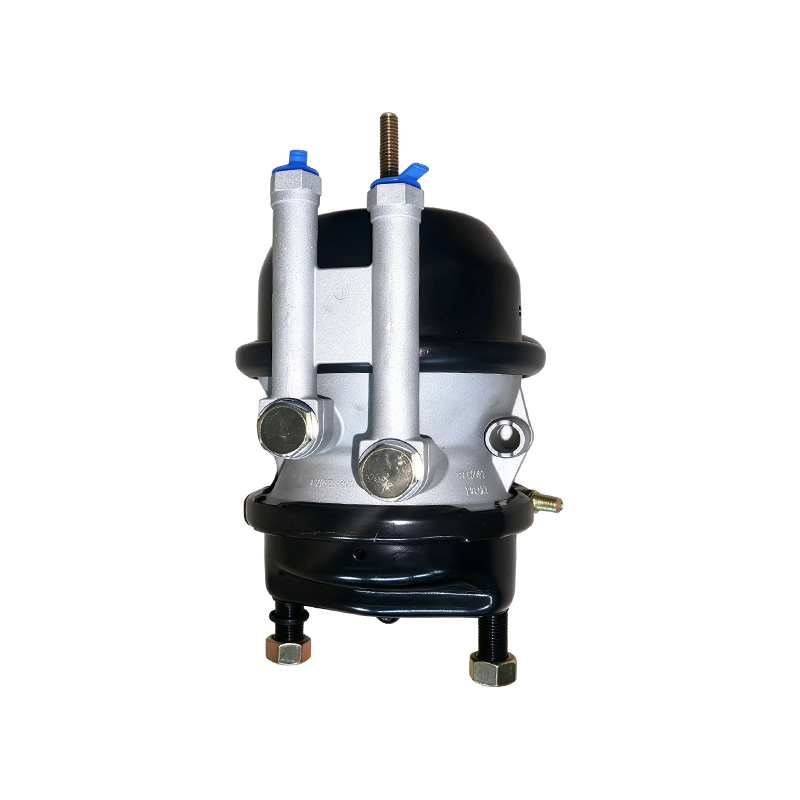
T20 Single Disc Brake Chamber
-
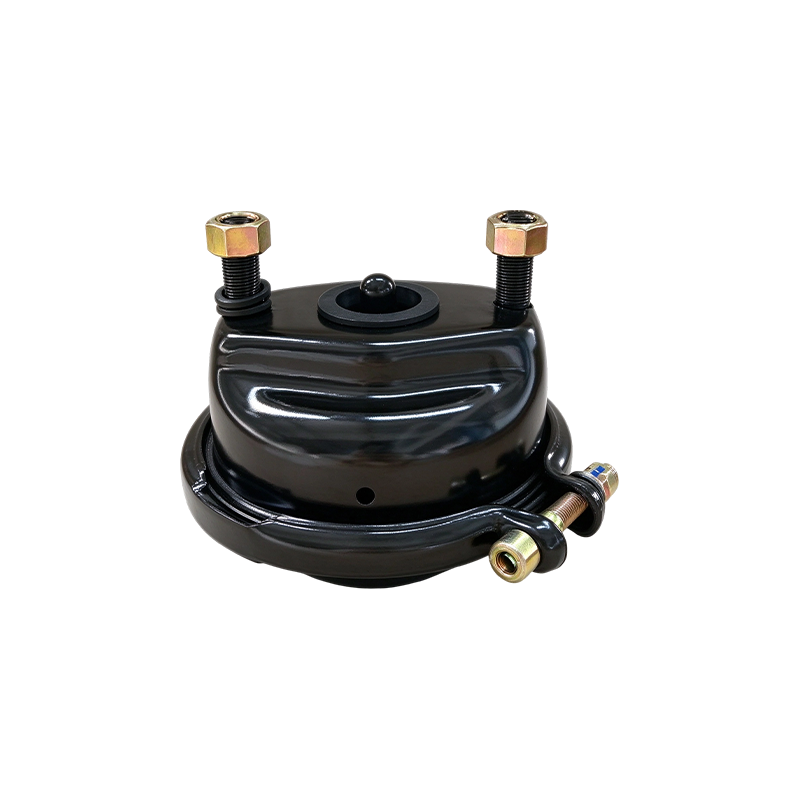
T20 Single Disc Brake Chamber
-
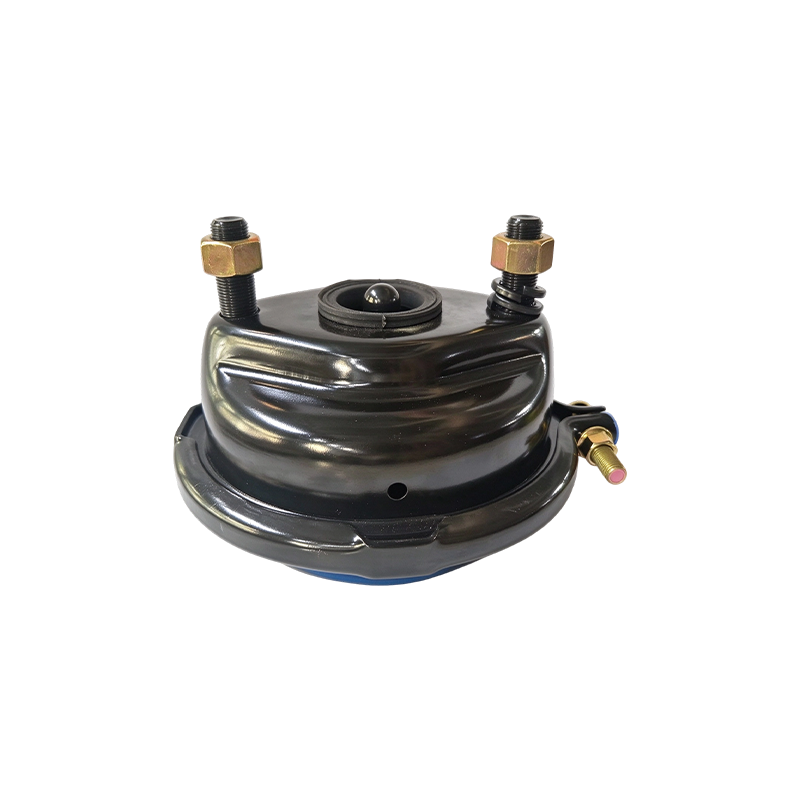
T24 Single Disc Brake Chamber (M16 Port)
-
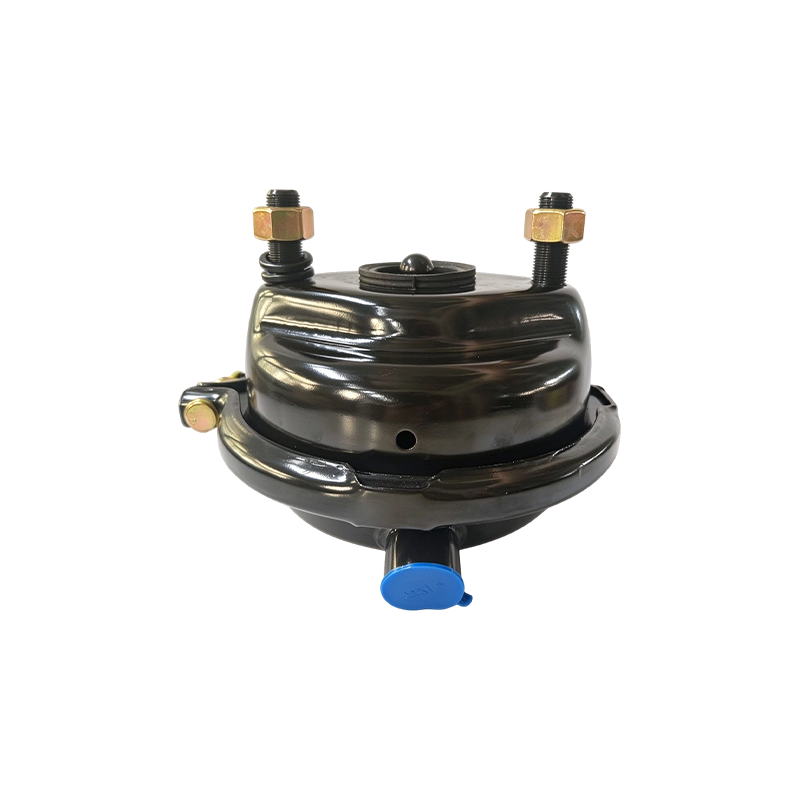
T24 Single Disc Brake Chamber (Side M22 Port)
-
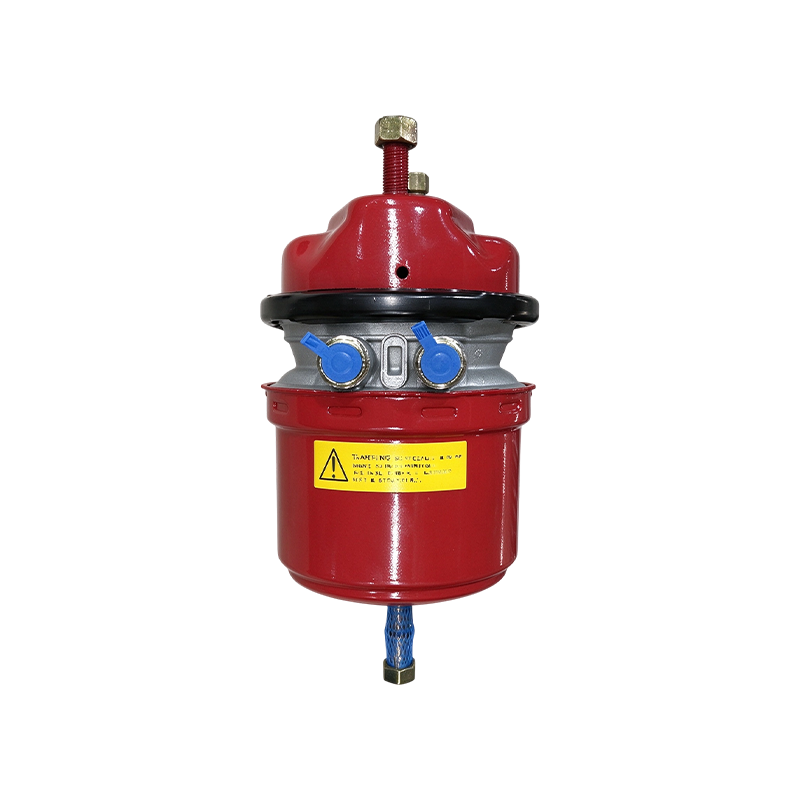
T24/24 DP Disc Brake Chamber (Red, M16 Port)
-
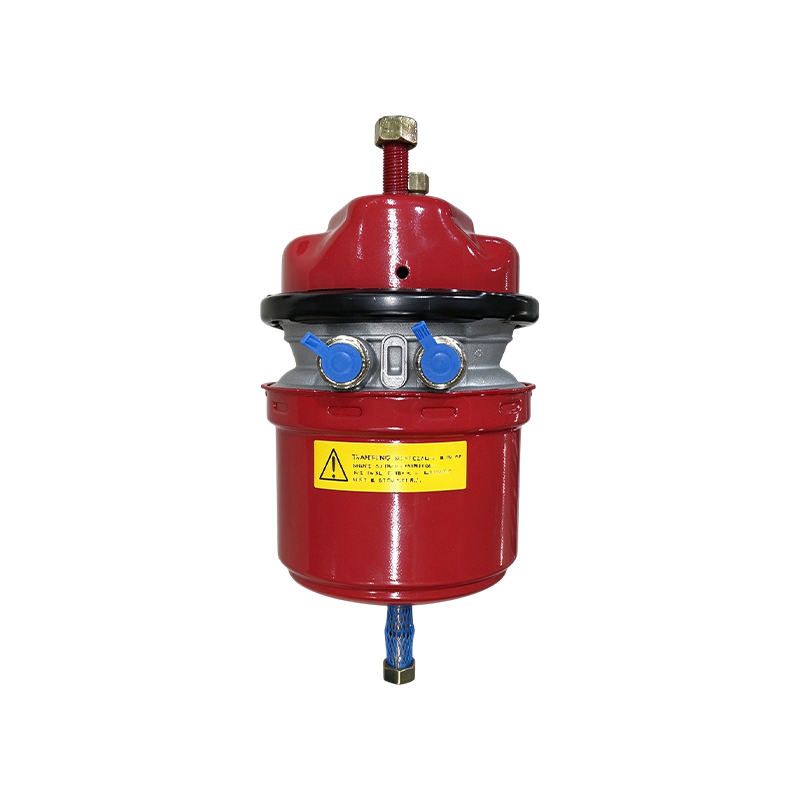
T24/24 DP Disc Brake Chamber (Red, M22 Port)
-
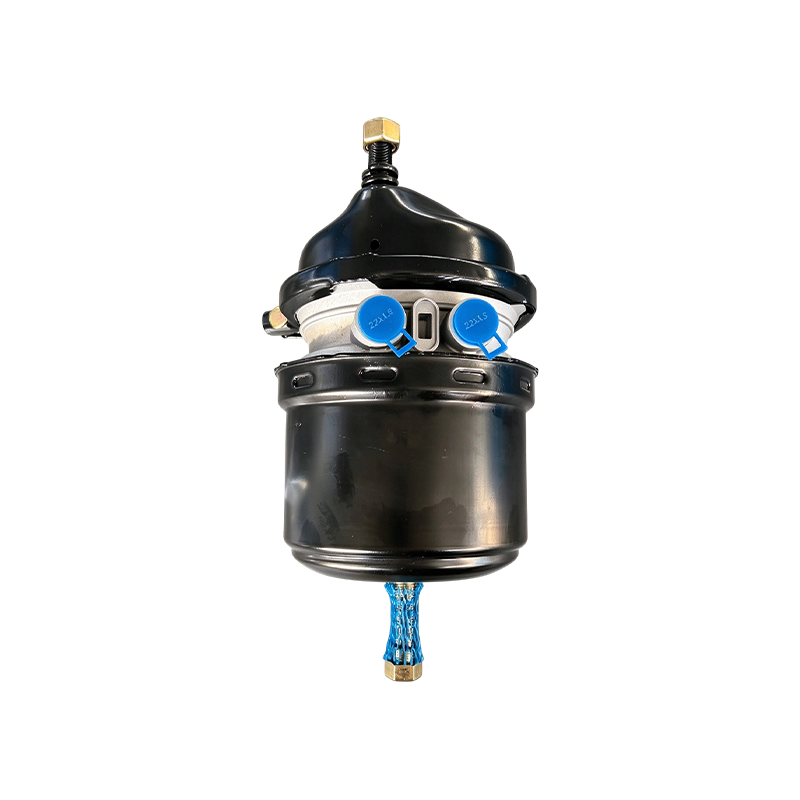
T24/24 DP Disc Brake Chamber (M22 Port)
The DISC brake chamber is a high-performance braking component specifically engineered for disc brake systems. Unlike conventional brake chambers, it integrates directly into the vehicle's braking system—bypassing the need for a connecting fork—to facilitate the efficient transmission of torque and braking force. DISC brake chambers are widely applicable to modern vehicles, including contemporary trucks, electric trucks, and various commercial vehicles equipped with disc braking systems.
Utilizing precise pneumatic pressure, this brake chamber actuates an internal diaphragm and pushrod to drive the slack adjuster with precision, thereby ensuring rapid and reliable braking response. This capability enables the unit to meet the rigorous demands for efficiency and safety inherent in modern vehicle braking systems. Manufactured using automated production processes to guarantee dimensional accuracy and performance consistency, the product features a compact structure, ease of installation, and exceptional durability. It delivers stable braking force even under complex operating conditions and during frequent start-and-stop cycles, thereby fully safeguarding vehicle operational safety and ensuring the long-term durability of the braking system.
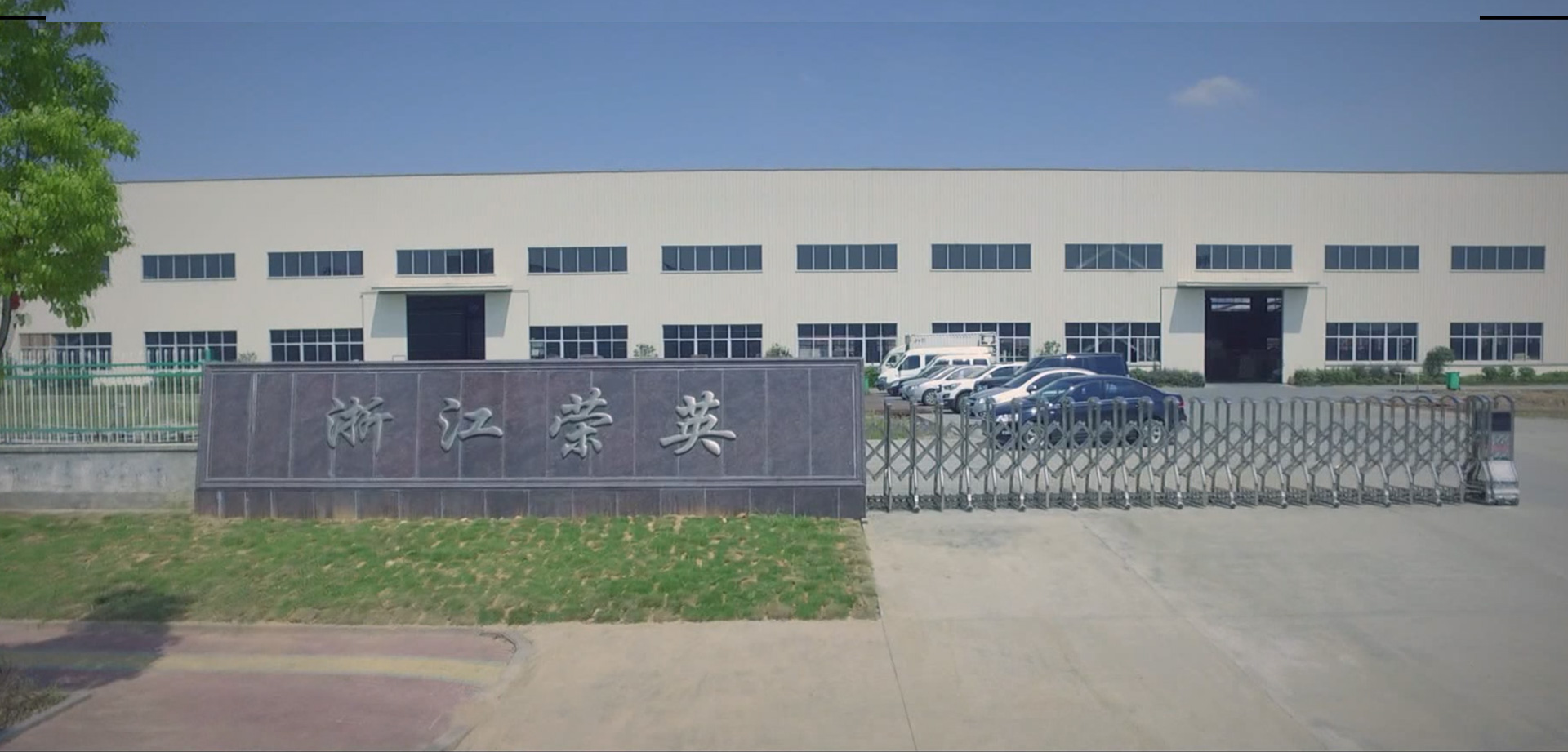
RONGZHAN
BRAKE COMPONENTS
As China DISC Brake Chamber Factory and ADB Brake Chamber Manufacturers, Zhejiang Rongzhan Machinery Co., Ltd. specialize in the production of spring brake chambers and service brake chambers for trucks and trailers. Backed by stable production capacity, strict quality control systems, and extensive export experience, our products are widely supplied to overseas markets and OEM customers worldwide. Rongzhan is committed to reliable quality, consistent performance, and long-term partnerships. We provide customers with cost-effective solutions and dependable service.
-
 0Year Established
 -
 0+Number of Employees
 -
 0SetsAnnual Production Volume
 -
0SetsAnnual Export Volume
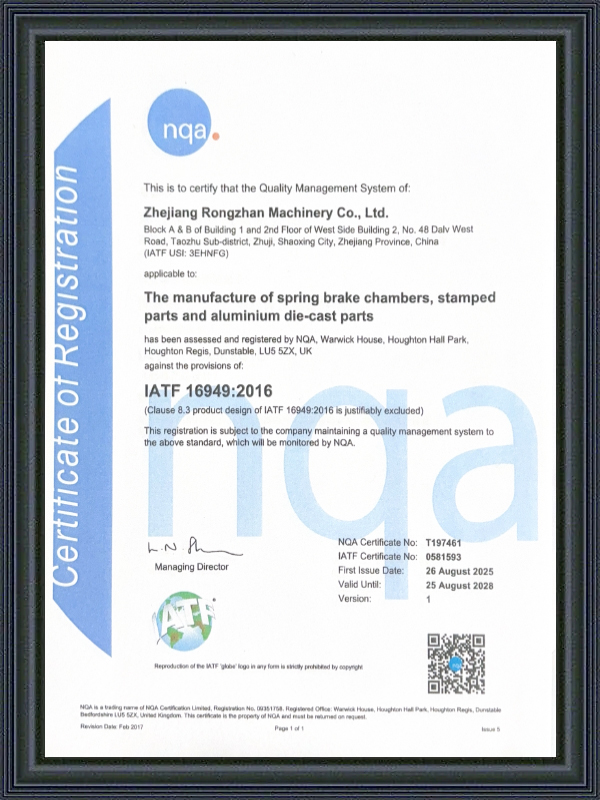
Certificate Of Honor

News
-
If you are qualifying a wedge brake chamber factory, settle five things before you talk about price: control over the wedge and roller components, test data produced on the wedge platform itself, pre-delivery inspection discipline, written interface dimensions, and the ability to repeat the same pa...
-
Two suppliers quote the same Type 20 service wedge brake chamber, and one is 20 percent cheaper. Six months later, the fleet that took the cheaper quote is replacing chambers early, re-adjusting stroke and paying freight twice. The saving never appeared on the invoice. It hid in the diaphragm compo...
-
Every S-Cam brake chamber you buy, whether you are a fleet maintenance director or an OEM purchasing engineer, is a bet on the factory that built it. The same Type 24 or Type 30 part number can behave very differently depending on the quality of the aluminum housing, the diaphragm compound, and the...
DISC Brake Chamber Industry knowledge
The Mechanical Principles Behind Shorter Stroke Requirements in DISC Brake Chambers
The commercial vehicle market has seen an incremental shift toward air disc braking architecture for heavy trucks and highway trailers. While traditional drum foundation brakes rely on the rotational movement of an S-camshaft to push flexible brake shoes outward, air disc systems employ an internal caliper mechanism to clamp friction pads axially against a spinning rotor. This fundamental variance in mechanical configuration alters the operational parameters imposed on the pneumatic actuator, specifically regarding the stroke length of the pushrod. A DISC brake chamber is engineered with a noticeably shorter stroke profile than a drum brake chamber of comparable capacity. Analyzing the mechanical leverage, thermal expansion characteristics, and clear space parameters explains why these engineering differences exist. As a specialized global manufacturer of commercial vehicle brake system components, Zhejiang Rongzhan Machinery Co., Ltd. produces tailored chamber solutions to support both drum and disc operational parameters across global transport fleets.
Mechanical Leverage and Internal Caliper Magnification
The primary explanation for the shorter pushrod movement in a DISC brake chamber is the high mechanical leverage ratio integrated directly into the air disc caliper assembly. Inside a drum brake setup, the linear movement of the pushrod maps almost one-to-one or through low-ratio slack adjusters to rotate the camshaft and force the shoes against the drum cavity, which demands a longer linear travel path to generate sufficient application pressure. Conversely, an air disc caliper features an internal eccentric lever mechanism that multiplies the input force coming from the chamber pushrod by a substantial factor. Because the internal lever mechanism multiplies the force so extensively over a condensed physical distance, the brake chamber only needs to supply a brief, high-force linear displacement to complete the application. Zhejiang Rongzhan Machinery Co., Ltd. manages these tight structural requirements by maintaining strict dimensional control during the stamping and internal spring assembly processes, creating an actuator that aligns perfectly with the rapid mechanical magnification curves of standard OEM caliper housings.
| Braking System Type | Typical Pushrod Stroke Range | Force Multiplication Mechanism | Primary Mechanical Movement |
| Drum Foundation Brake | 2.0 to 3.0 Inches | External Slack Adjuster & Camshaft | Rotational Expansion of Shoes |
| Air Disc Foundation Brake | 1.25 to 2.0 Inches | Internal Caliper Eccentric Lever | Axial Clamping of Pads |
Friction Clearance Distances and System Play
Another factor dictating the shortened travel requirement is the minute running clearance maintained between the friction materials and the rotor in a disc brake assembly. Air disc calipers utilize highly sensitive internal automatic adjustment mechanisms that maintain a close running clearance, often less than one millimeter, between the brake pads and the rotor face when the system is unapplied. Drum brakes present significantly greater running clearance and mechanical play due to the complex interaction of the anchor pins, return springs, shoe rollers, and large drum diameters. Because the disc brake pad rests so close to the rotor surface, the DISC brake chamber does not need to waste valuable stroke length simply closing an expansive air gap, allowing the actuator to immediately enter its high-pressure force-delivery phase almost instantly upon pneumatic initialization.
Thermal Expansion Characteristics and Fade Resistance
The behavior of friction components under extreme thermal loads changes how much stroke reserve an actuator must possess. When a heavy drum brake becomes hot during a long downhill mountain descent, the iron drum expands radially outward, moving away from the expanding brake shoes and requiring the chamber pushrod to stroke much further to maintain stopping torque, which can lead to mechanical bottoming out. In contrast, an air disc brake rotor expands axially outward toward the caliper pads when subjected to high thermal loads. This thermal expansion actually reduces the physical gap between the rotor and the pad friction material, preventing the pushrod travel from lengthening during heavy deceleration cycles. Since the system does not need to compensate for thermal expansion gaps, a DISC brake chamber operates effectively with a shorter physical stroke profile while still preserving a consistent operating boundary.
| Operational Parameter | Drum Brake Chamber Context | DISC Brake Chamber Context |
| Thermal Expansion Effect | Drum moves away; requires longer stroke buffer | Rotor expands toward pads; stabilizes stroke travel |
| Air Volume Consumption | Higher volume required due to extensive travel | Lower volume required due to condensed movement |
| Internal Component Wear | Higher risk of diaphragm stretching over time | Minimized diaphragm distortion due to limited travel |
| Mounting Interface Profile | Extended housing clearances needed | Compact, specialized flange mounting configurations |
Pneumatic Efficiency and Air Volume Conservation
The reduced stroke length of a DISC brake chamber also brings functional benefits to the overall pneumatic control loop of the commercial vehicle. Shorter pushrod travel means the internal air cavity of the chamber remains smaller at full extension compared to a long-stroke drum actuator. Consequently, a lower volume of compressed air is needed to fully pressurize the chamber and achieve maximum deceleration force. This reduction in air volume minimizes the application and release lag times, providing the operator with a more responsive brake pedal feel. Additionally, by conserving compressed air during each brake cycling event, the vehicle air compressor runs less frequently, which reduces the mechanical load on the engine, limits moisture accumulation within the air dryers, and supports long-term component preservation across the tractor-trailer assembly.
Structural Compactness and Integration with OEM Calipers
Modern axle configurations on trucks and trailers are crowded with suspension arms, steering linkages, and ABS sensors, making spatial efficiency a top priority for component designers. Because a DISC brake chamber requires less internal axial depth to accommodate a shorter travel spring and diaphragm, the exterior housing can be made shorter and more compact. This streamlined footprint allows the chamber to bolt directly onto the caliper assembly via a specialized flange interface, protecting the unit from striking road debris or interfering with adjacent suspension components. Zhejiang Rongzhan Machinery Co., Ltd. utilizes its stable production capacity and extensive export experience to manufacture these compact, cost-effective, and dependable DISC brake chamber variants, meeting the technical layout standards and rigorous testing requirements specified by international OEM customers and global aftermarket sectors.
FAQ
Q: Why does the compact structural housing of a DISC brake chamber offer an advantage in modern commercial vehicle axle layouts?
A: Modern commercial vehicle axles are crowded with suspension arms, steering linkages, and electronic sensors. Because a DISC brake chamber operates with a shortened internal pushrod travel, it requires less physical depth to accommodate its internal spring configuration, resulting in a streamlined exterior footprint that mounts tightly to the caliper and reduces the risk of striking road debris or interfering with surrounding chassis components.
Q: How does the internal eccentric lever of an air disc caliper affect the force requirements imposed on a DISC brake chamber?
A: The internal eccentric lever inside an air disc caliper acts as a mechanical force multiplier, translating a small amount of linear pushrod input into a substantial axial clamping force against the rotor. Because of this high internal magnification ratio, the DISC brake chamber can utilize a shorter stroke profile to achieve the necessary deceleration force, rather than relying on the extended travel paths common in drum brake systems.
Q: What happens to the stroke travel of a DISC brake chamber when the brake rotor experiences high thermal expansion during intense operation?
A: When an air disc brake rotor heats up, it expands axially outward toward the friction pads, which actually narrows the running clearance gap. This thermal characteristic stabilizes the pushrod travel length of the DISC brake chamber during heavy application, preventing the stroke from lengthening or bottoming out, a vulnerability often encountered in expanding drum brake systems.
Q: How does Zhejiang Rongzhan Machinery Co., Ltd. ensure precise dimensional mating between its DISC brake chamber models and various international OEM calipers?
A: Zhejiang Rongzhan Machinery Co., Ltd. enforces strict quality control systems and utilizes automated machining equipment to control the manufacturing tolerances of our specialized flange interfaces and pushrod lengths. This exact alignment ensures that our exported components bolt securely onto diverse international caliper models without creating mechanical play or angular stress on the internal sealing mechanisms.
Q: Why does a DISC brake chamber contribute to lower moisture accumulation and reduced stress on the vehicle air compressor?
A: Because a DISC brake chamber requires a shorter travel distance to fully apply the pads, its internal air cavity remains smaller at full extension than that of a traditional long-stroke drum actuator. This reduced volume requirement means less compressed air is consumed during each application cycle, decreasing the operating demands on the vehicle air compressor and lowering the workload on the system air dryers.

- WHY US
- Company Profile
- Certifications
- News
- PRODUCTS
- S-Cam Type Brake Chamber
- DISC Brake Chamber
- Wedge Brake Chamber
- Piggyback Brake Chamber
- Brake Chamber Repair Kits
- MANUFACTURING
- Customer Service
- Factory Tour
-
-
No.90 Zhancheng Avenue, Zhuji City, Zhejiang Province, China

-
rongzhan@zjrongzhan.com / judith@zjrongzhan.com

-
+86-15258814607

-
- CONTACT


