

 русский
  Español
  عربى
عربى 

INQUIRY NOW

-
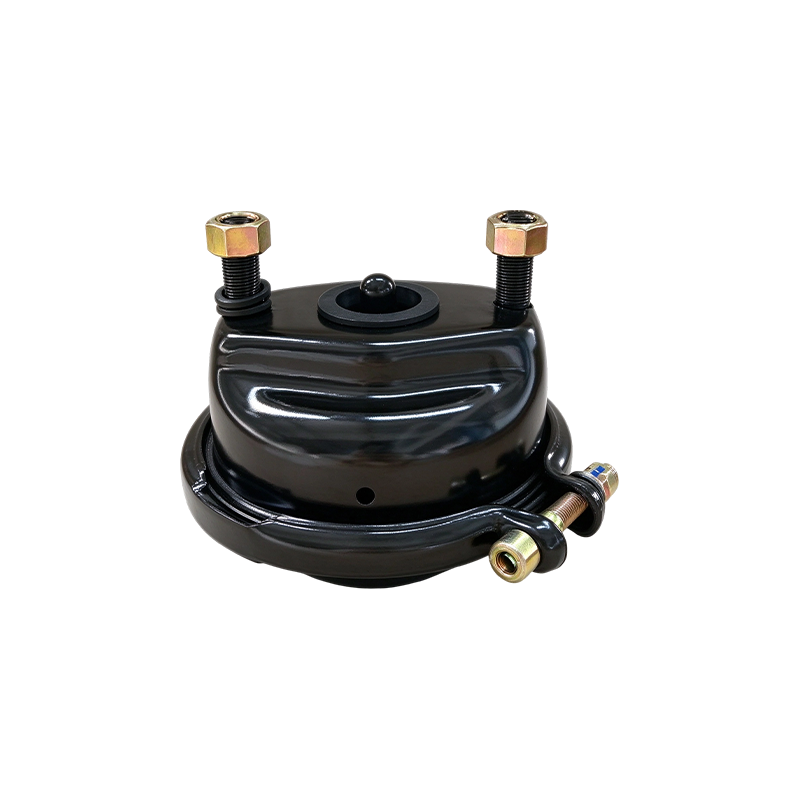



T20 Single Disc Brake Chamber
-
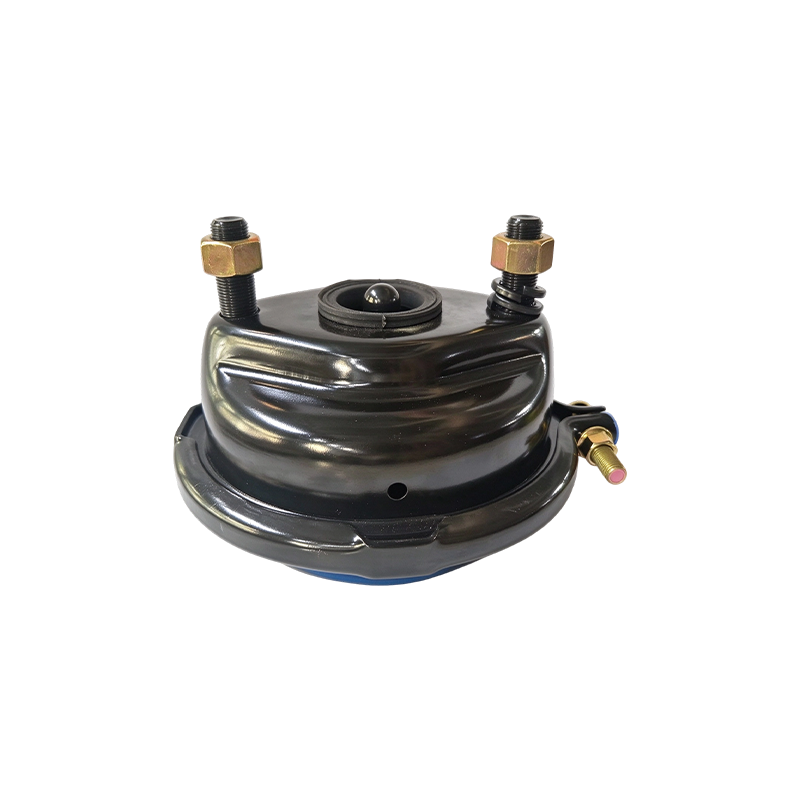
T24 Single Disc Brake Chamber (M16 Port)
-
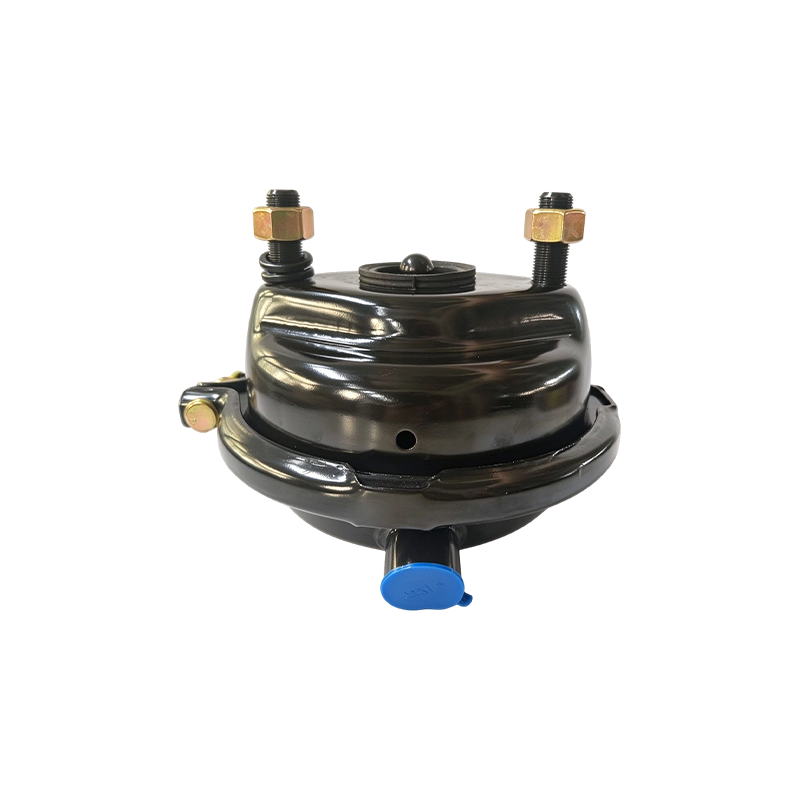
T24 Single Disc Brake Chamber (Side M22 Port)
The Single Disc Brake Chamber is a high-performance braking component specifically engineered for all disc brake systems. Mounted on the vehicle's front axle, it plays a direct and integral role in the braking operation. Through a precisely engineered pneumatic mechanism, the brake chamber actuates an internal diaphragm and pushrod, enabling the slack adjuster to deliver a rapid and reliable braking response. It is suitable for a wide range of vehicle types, including modern commercial vehicles, light-duty trucks, heavy-duty trucks, and electric trucks.
Featuring a compact structure and ease of installation, this brake chamber effectively conserves axle space. Furthermore, it boasts exceptional sealing capabilities and durability, ensuring the consistent delivery of stable braking force—even under high-load conditions and during frequent start-and-stop operations. The product is available in various stroke lengths and model configurations to meet the specific braking requirements of different vehicle models and operating environments; it also supports customized surface finishes to satisfy diverse customer needs regarding vehicle aesthetics and ease of maintenance.
RONGZHAN
BRAKE COMPONENTS
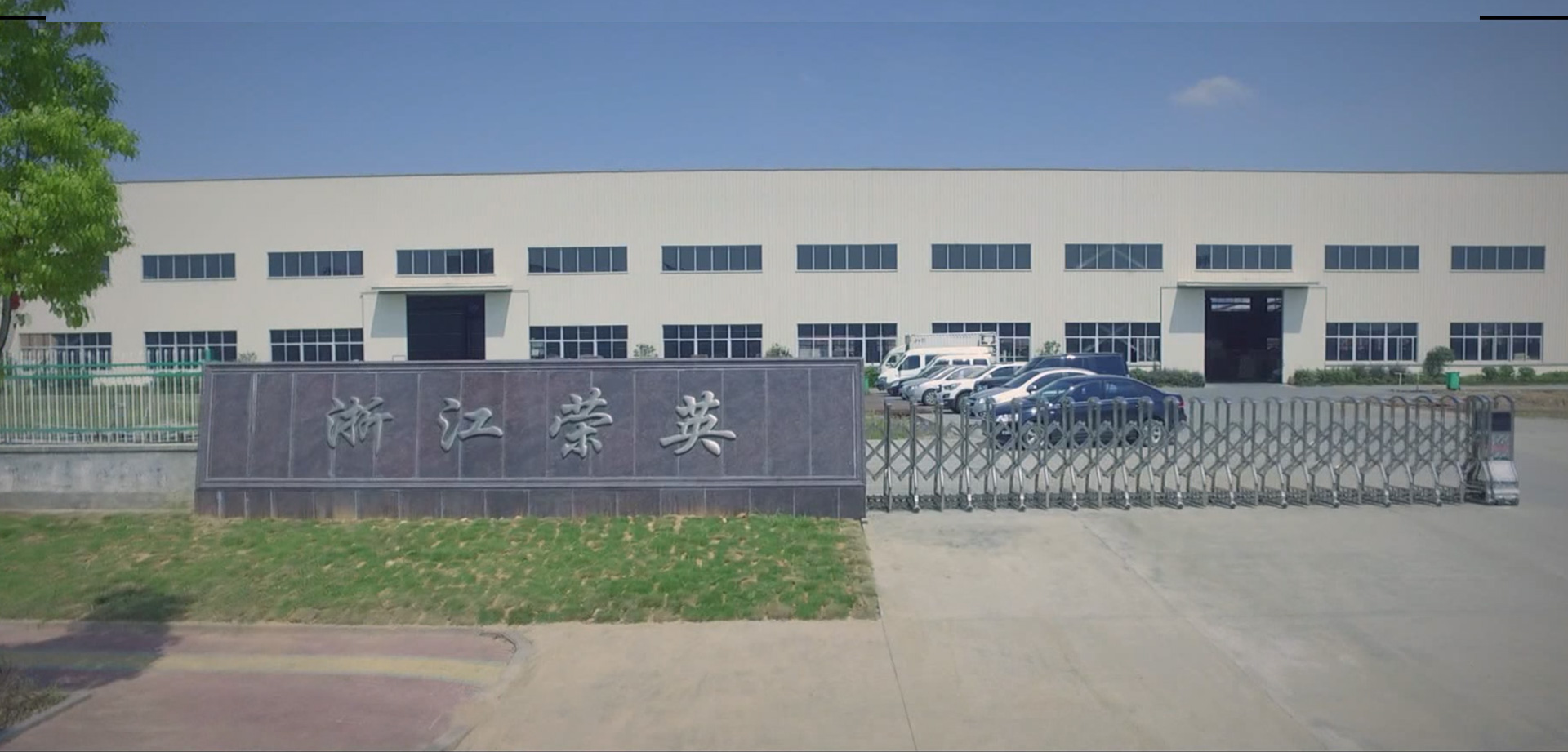
As China Single Disc Brake Chamber Manufacturers and Single Disc Brake Chamber Suppliers, Zhejiang Rongzhan Machinery Co., Ltd. specialize in the production of spring brake chambers and service brake chambers for trucks and trailers. Backed by stable production capacity, strict quality control systems, and extensive export experience, our products are widely supplied to overseas markets and OEM customers worldwide. Rongzhan is committed to reliable quality, consistent performance, and long-term partnerships. We provide customers with cost-effective solutions and dependable service.
-
 0Year Established
 -
 0+Number of Employees
 -
 0SetsAnnual Production Volume
 -
0SetsAnnual Export Volume
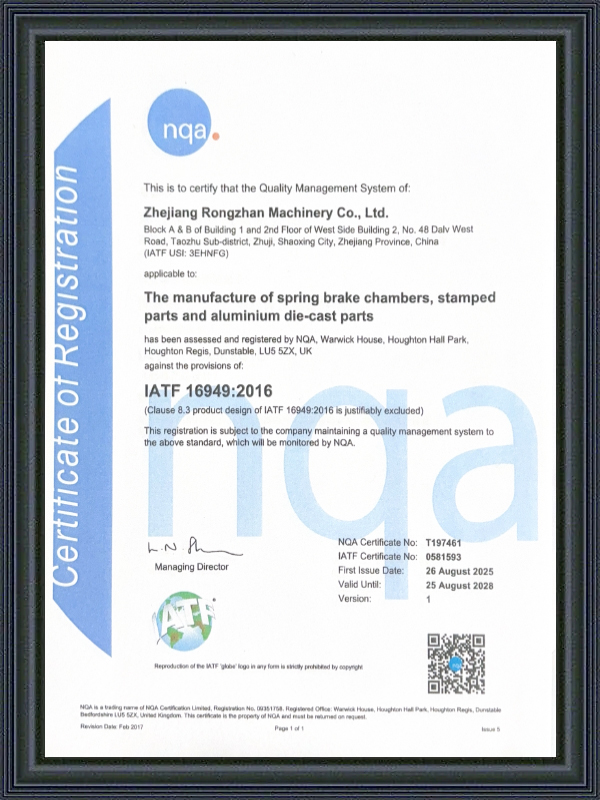
Certificate Of Honor

News
-
If you are qualifying a wedge brake chamber factory, settle five things before you talk about price: control over the wedge and roller components, test data produced on the wedge platform itself, pre-delivery inspection discipline, written interface dimensions, and the ability to repeat the same pa...
-
Two suppliers quote the same Type 20 service wedge brake chamber, and one is 20 percent cheaper. Six months later, the fleet that took the cheaper quote is replacing chambers early, re-adjusting stroke and paying freight twice. The saving never appeared on the invoice. It hid in the diaphragm compo...
-
Every S-Cam brake chamber you buy, whether you are a fleet maintenance director or an OEM purchasing engineer, is a bet on the factory that built it. The same Type 24 or Type 30 part number can behave very differently depending on the quality of the aluminum housing, the diaphragm compound, and the...
Single Disc Brake Chamber Industry knowledge
Mechanics of Force Retention in Single Disc Brake Chamber Technology Under Rapid Cycling
Heavy commercial transport vehicle operations place intense cyclical strain on foundation braking systems, particularly during inner-city distribution route cycles or prolonged mountainous descents. In these scenarios, the single disc brake chamber serves as the primary pneumatic actuator responsible for pushing the internal caliper levers that press the friction pads against the brake rotor surface. When a driver applies the brakes rapidly and repeatedly, standard actuators can suffer from internal pressure drops, seal compliance variations, and spring force reduction due to rapid heat accumulation and structural flexing. Overcoming these performance bottlenecks requires specialized engineering considerations that address air volume containment, seal resilience, and structural guidance. As a global exporter and manufacturer of commercial vehicle brake system components, Zhejiang Rongzhan Machinery Co., Ltd. analyzes these high-frequency operational dynamics to produce stable single disc brake chamber units for modern transport fleets and global OEM clients.
Pneumatic Recovery and Response Velocity Control
Maintaining stable force output during high-frequency stop-and-go cycles depends heavily on how rapidly the internal housing can exhaust air and repressurize. If an actuator retains a high volume of residual air from a preceding brake application, the subsequent application pressure curve can become distorted, creating an unpredictable pedal response and inconsistent deceleration. A single disc brake chamber addresses this challenge by utilizing a optimized internal chamber shape that reduces dead air spaces, allowing the incoming compressed air to act directly and instantly on the pressure plate. This geometry ensures that the required operating pressure is achieved inside the chamber within milliseconds of pedal activation. Zhejiang Rongzhan Machinery Co., Ltd. enforces strict internal volume control metrics during the casing manufacturing process to maintain a uniform pneumatic flow path across its entire product selection.
| Actuator System Element | Standard Diaphragm Control Behavior | Single Disc Actuator Response Parameters |
| Cavity Volume Clearance | Larger expansion area slows down refill rate | Compressed cavity bounds accelerate pressure accumulation |
| Exhaust Clearance Speed | Standard travel paths can restrict rapid venting | Direct ports ensure immediate atmospheric venting |
| Cycle Frequency Limits | Prone to thermal lag during rapid re-application | Maintains design force output during rapid cycling |
Thermal Resilience of Elastomeric Components
High-frequency braking causes continuous friction generation at the wheel end, and this massive heat accumulation conducts directly through the caliper body into the actuator mounting plate. Standard rubber diaphragms can soften when subjected to persistent high temperatures, increasing their elasticity and causing the material to balloon or deform under pressure, which drops the net mechanical force delivered to the pushrod. The single disc brake chamber utilizes specialized synthetic elastomers or advanced heat-stabilized compounds that preserve their structural durometer and flexural stiffness even when operating in proximity to glowing brake rotors. This material stability prevents pressure bypassing and ensures that every pound per square inch of air pressure converts into an exact, predictable linear output stroke.
Mechanical Return Spring Stabilization and Fatigue Resistance
The internal return spring inside a single disc brake chamber faces severe stress during rapid cycling, as it must repeatedly compress and extend without losing its calibrated tension or developing resonant vibrations. If a return spring begins to sag or suffer from micro-fractures due to cyclic fatigue, it will fail to fully retract the pressure plate when the air exhausts, causing the brake pads to drag against the rotor and create drag heat. To mitigate this structural failure risk, the springs must be processed using advanced stress-relieving methodologies such as precision shot-peening and multi-stage heat tempering. Zhejiang Rongzhan Machinery Co., Ltd. incorporates these precise metallurgical standards within its strict quality control systems, delivering a highly durable component that resists spring relaxation over long-haul service intervals.
| Stress Category | Impact on Standard Service Chambers | Countermeasures in Single Disc Chambers |
| Conducted Thermal Load | Diaphragm softening and structural leakage | Heat-stabilized synthetic compounds resist deformation |
| Spring Compression Fatigue | Tension loss leading to pad drag and glazing | Shot-peened high-tensile steel retains return force |
| Pushrod Side Loading | Seal distortion and localized housing wear | Internal piston guidance rings isolate angular stress |
Internal Structural Guidance and Angular Force Correction
When an air brake system actuates rapidly, the vehicle chassis experiences shifting weight dynamics that can transfer minor vibrations and side-loading forces back onto the chamber pushrod. In a poorly guided chamber layout, these offset forces can twist the internal piston or diaphragm assembly, causing localized friction against the inner walls and accelerating seal wear. Single disc brake chambers resolve this vulnerability by integrating internal low-friction wear bands or heavy duty alignment sleeves that constrain the pushrod to a perfectly linear travel trajectory. This internal constraint isolates the sealing elements from external mechanical interference, ensuring that the full mechanical force output remains stable and concentrated along the exact center line of the caliper input lever.
Operational Sustainability and Fleet Replacement Advantages
Deploying reliable single disc brake chamber configurations helps commercial fleets reduce maintenance overhead by extending the intervals between service teardowns. Because these actuators maintain their structural seal and spring characteristics under severe operational stress, vehicles experience more predictable stopping distances and uniform pad wear across the entire axle assembly. Zhejiang Rongzhan Machinery Co., Ltd. utilizes its stable production capacity and comprehensive export experience to provide international distributors and OEM factories with cost-effective, dependable solutions that meet international regulatory standards, ensuring seamless integration into modern heavy-duty commercial vehicle air systems.
FAQ
Q: How does a single disc brake chamber prevent pneumatic pressure drop when the brakes are applied rapidly during stop-and-go operations?
A: A single disc brake chamber optimizes its internal housing geometry to eliminate dead air space, which allows the compressed air to enter the pressure cavity and act on the moving components almost instantly. This streamlined internal volume ensures rapid pressure accumulation and quick venting cycles, allowing the actuator to maintain a stable force output without experiencing pneumatic lag during high-frequency cycling.
Q: Why is the thermal stability of the internal diaphragm compound so critical for a single disc brake chamber compared to standard trailer chambers?
A: Air disc brakes generate massive amounts of localized thermal energy that conducts directly through the caliper mounting bracket into the actuator casing. If a single disc brake chamber used standard rubber compounds, the extreme heat would cause the material to soften and balloon under pressure, resulting in a loss of linear output force; therefore, specialized heat-stabilized synthetic elastomers are required to maintain structural durometer.
Q: What internal design mechanism protects a single disc brake chamber from seal degradation caused by chassis vibrations and pushrod side-loading?
A: These specialized chambers incorporate low-friction internal alignment sleeves or robust guidance bands that constrain the pushrod to a strictly linear travel path. By isolating the internal sealing elements from lateral or angular forces caused by severe road vibrations, the guided design prevents localized seal distortion and preserves the structural airtight integrity of the cylinder.
Q: How does Zhejiang Rongzhan Machinery Co., Ltd. ensure the internal return springs of its single disc brake chambers do not suffer from tension relaxation over long service lifecycles?
A: Zhejiang Rongzhan Machinery Co., Ltd. implements advanced metallurgical treatments, including multi-stage heat tempering and precision shot-peening, within its strict quality control systems. This process relieves micro-stresses within the high-tensile steel, allowing the return spring to retain its calibrated tension and prevent brake pad dragging even after thousands of rapid compression cycles.
Q: Can a single disc brake chamber maintain full operational efficiency if the external air line fittings develop a minor, slow pneumatic leak?
A: No, even a minor pneumatic leak compromises the system because the high-magnification ratio of air disc calipers depends on receiving exact pressure calculations from the chamber. A slow leak drops the initialization pressure, which alters the application timing and causes uneven brake force distribution across the axle, making the dependable construction and stable production tolerances of components from Zhejiang Rongzhan Machinery Co., Ltd. essential for fleet safety.

- WHY US
- Company Profile
- Certifications
- News
- PRODUCTS
- S-Cam Type Brake Chamber
- DISC Brake Chamber
- Wedge Brake Chamber
- Piggyback Brake Chamber
- Brake Chamber Repair Kits
- MANUFACTURING
- Customer Service
- Factory Tour
-
-
No.90 Zhancheng Avenue, Zhuji City, Zhejiang Province, China

-
rongzhan@zjrongzhan.com / judith@zjrongzhan.com

-
+86-15258814607

-
- CONTACT


