

 русский
  Español
  عربى
عربى 

INQUIRY NOW




RONGZHAN
BRAKE COMPONENTS
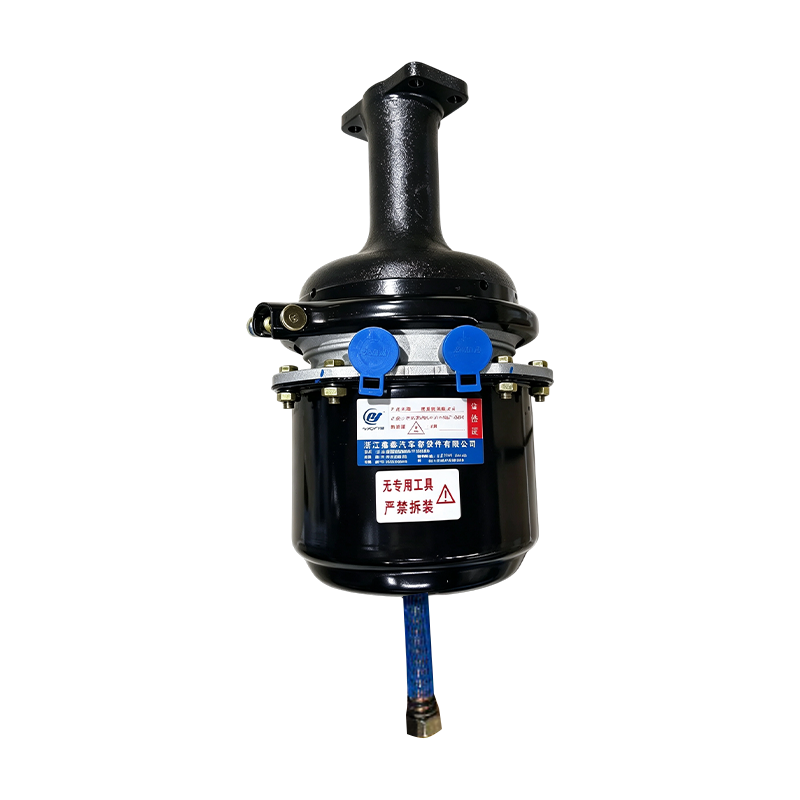
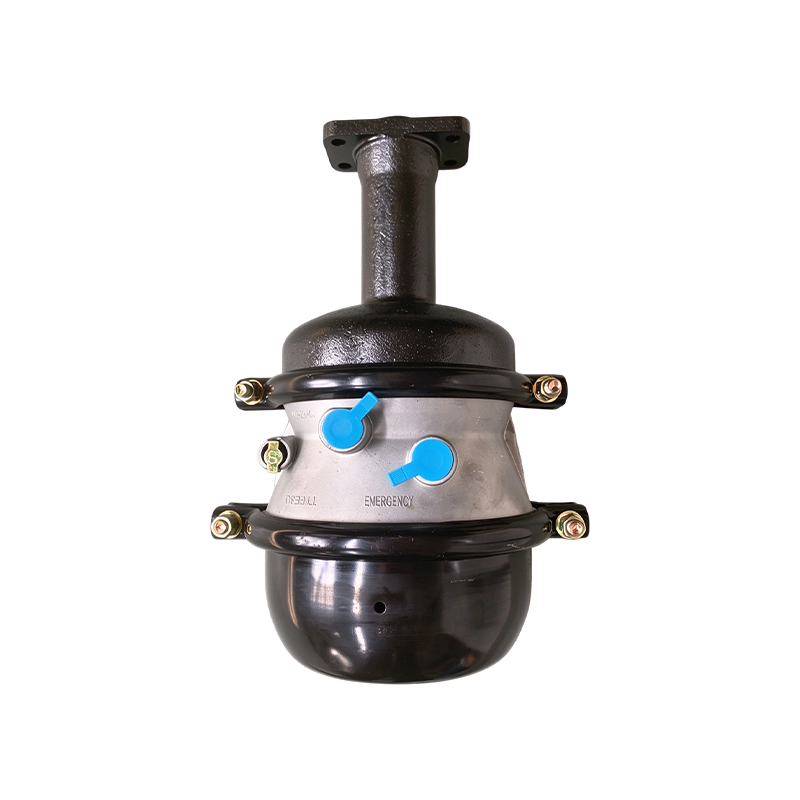
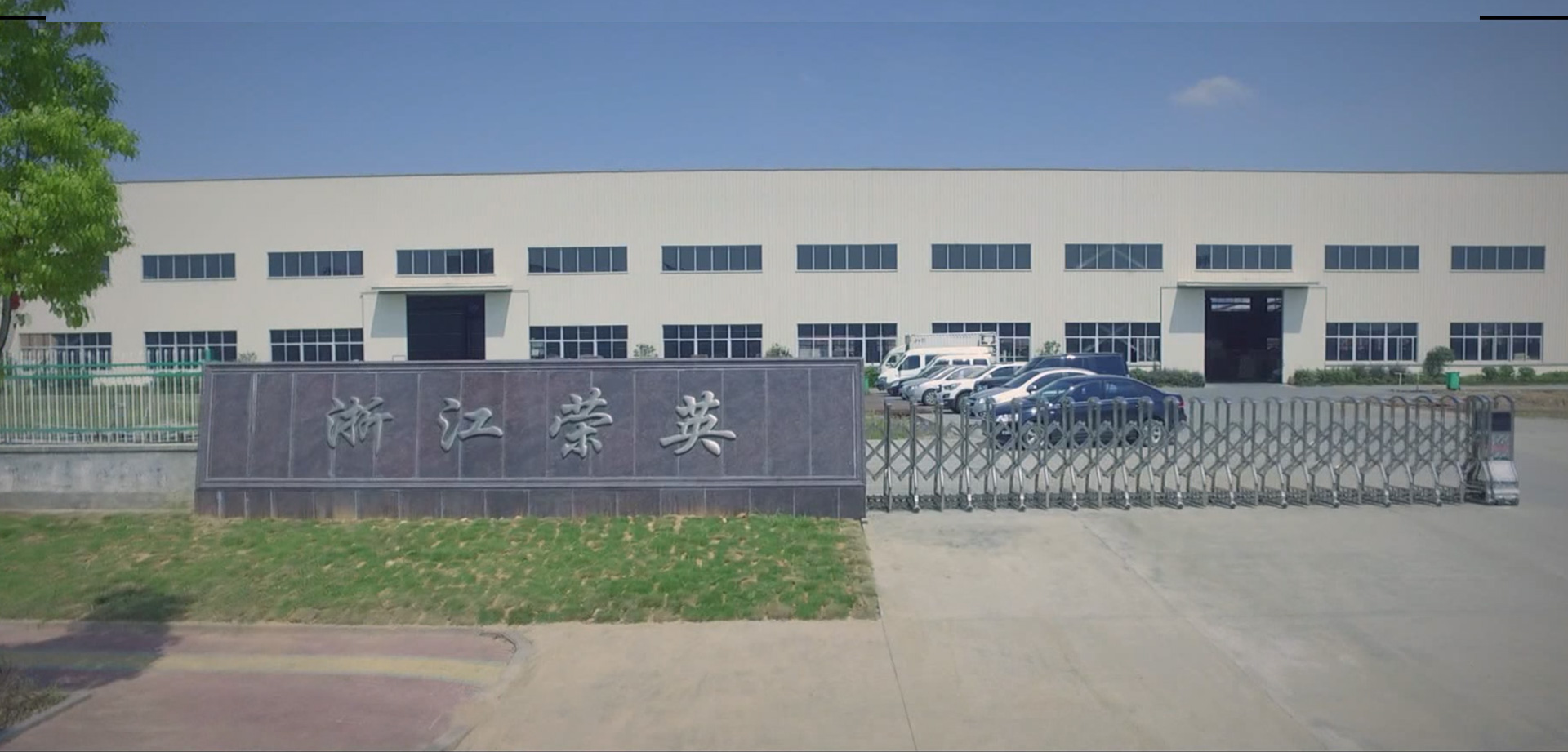
As China Wedge Brake Chamber Manufacturers and Wedge Brake Chamber Factory, Zhejiang Rongzhan Machinery Co., Ltd. specialize in the production of spring brake chambers and service brake chambers for trucks and trailers. Backed by stable production capacity, strict quality control systems, and extensive export experience, our products are widely supplied to overseas markets and OEM customers worldwide. Rongzhan is committed to reliable quality, consistent performance, and long-term partnerships. We provide customers with cost-effective solutions and dependable service.
-
 0Year Established
 -
 0+Number of Employees
 -
 0SetsAnnual Production Volume
 -
0SetsAnnual Export Volume
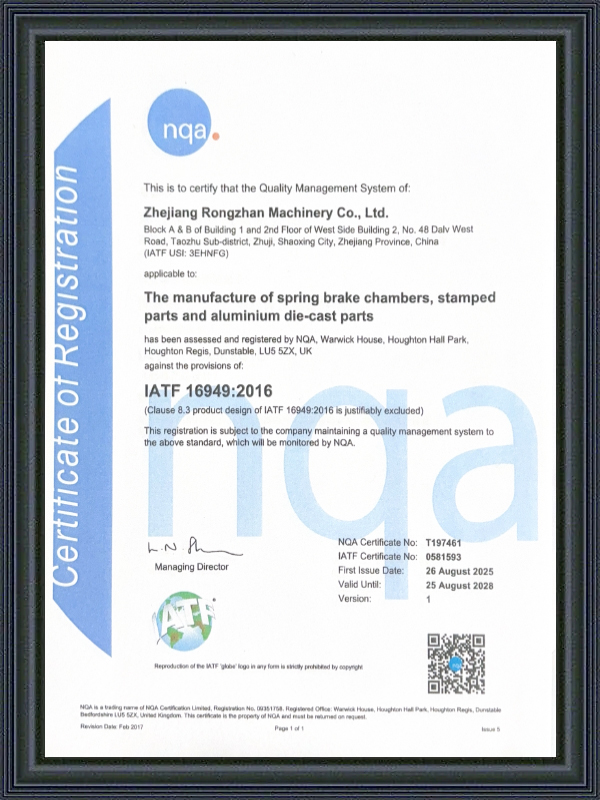
Certificate Of Honor

News
-
If you are qualifying a wedge brake chamber factory, settle five things before you talk about price: control over the wedge and roller components, test data produced on the wedge platform itself, pre-delivery inspection discipline, written interface dimensions, and the ability to repeat the same pa...
-
Two suppliers quote the same Type 20 service wedge brake chamber, and one is 20 percent cheaper. Six months later, the fleet that took the cheaper quote is replacing chambers early, re-adjusting stroke and paying freight twice. The saving never appeared on the invoice. It hid in the diaphragm compo...
-
Every S-Cam brake chamber you buy, whether you are a fleet maintenance director or an OEM purchasing engineer, is a bet on the factory that built it. The same Type 24 or Type 30 part number can behave very differently depending on the quality of the aluminum housing, the diaphragm compound, and the...
Wedge Brake Chamber Industry knowledge
The Mechanical Advantage and Force Transmission Mechanics of Wedge Brake Chambers
Commercial vehicle foundation brakes rely on different methods to convert linear pushrod force from air actuators into the outward radial force needed to press brake shoes against a spinning drum. The most common design is the S-cam system, which uses an external slack adjuster and a long camshaft to turn an eccentric cam profile between the rollers of the brake shoes. However, an alternative design known as the wedge brake configuration uses a direct-acting mechanical approach where an internal wedge profile is driven between two opposing pistons inside the brake assembly. This architectural difference alters the force transmission paths, changes the friction losses, and modifies the overall weight of the wheel-end equipment. Evaluating these core engineering traits reveals why wedge brake chambers offer distinct mechanical efficiency characteristics under heavy payload operations. As a global exporter and manufacturer of commercial vehicle brake system components, Zhejiang Rongzhan Machinery Co., Ltd. analyzes these diverse force transmission systems to build reliable, precise actuators for worldwide transport configurations.
Direct Axial Linear Force Delivery Paths
The primary explanation for the higher mechanical efficiency of a wedge brake chamber is the straight-line configuration of its force delivery system. In an S-cam configuration, the linear motion of the brake chamber pushrod must first pass through an external slack adjuster arm, which translates that linear travel into rotational torque along a long camshaft, which then converts back into outward linear force at the cam head. This multi-stage path introduces minor twisting deflections and multiple contact friction surfaces that absorb kinetic energy. A wedge brake chamber eliminates these mechanical steps by mounting directly to the brake spider housing. When air pressure populates the chamber, the pushrod drives a solid wedge straight between two low-friction roller bearings, pushing the internal brake pistons outward along a single, continuous axial plane. Zhejiang Rongzhan Machinery Co., Ltd. monitors these tight structural tolerances during its deep-drawn steel shell production, ensuring that the pushrod maintains precise axial alignment with the internal wedge mechanism.
| System Attribute | S-Cam Foundation Brake Network | Wedge Foundation Brake Network |
| Force Trajectory Profile | Linear to Rotational to Linear translation | Direct, unbroken Co-Axial Linear delivery |
| Component Count Per Wheel | High (Chamber, Slack, Camshaft, Support Brackets) | Low (Direct-mounted Chamber, Internal Piston Wedge) |
| Mechanical Linkage Deflection | Subject to torsional twisting along the camshaft | Zero twisting; direct compression of rigid parts |
| Pneumatic Air Consumption | Higher due to extensive stroke requirements | Lower due to condensed internal piston movement |
Reduction in Torsional Deflection and Component Play
Mechanical efficiency is heavily degraded when structural parts flex or twist under high clamping pressures, as a portion of the incoming pneumatic energy is wasted simply distorting the metal hardware instead of pushing the friction linings. Because S-cam systems rely on a long, solid steel camshaft to bridge the gap between the frame rail and the wheel hub, this shaft undergoes minor torsional twisting whenever heavy air pressure is applied. This twisting movement increases the required stroke length of the brake chamber and slows down the initialization time of the foundation brakes. Wedge brake chambers bypass this torsional loss completely because they do not utilize rotating shafts or external levers to transmit force. The mechanical wedge drives into the roller assembly with zero rotational play, meaning the input force translates immediately into outward shoe expansion without loss from component flexing.
Optimized Air Consumption and Fluid Flow Efficiency
Wedge brake chambers operate with a much smaller physical footprint and a shorter internal pushrod stroke than standard S-cam actuators. Because the internal wedge angles are precision-engineered to multiply force over a compact distance, the volume of compressed air required to complete a full application is considerably lower. This reduced volumetric space lowers the pneumatic compliance lag within the actuator shell, enabling rapid pressure stabilization during high-frequency braking cycles. Conserving the volume of compressed air per application event also eases the operational cycles imposed on the vehicle compressor and air dryers. This conservative air usage supports overall component preservation across the tractor-trailer pneumatic lines, an essential operational consideration for international fleets operating under tight safety protocols.
| Operational Parameter | S-Cam Actuator Requirements | Wedge Actuator Performance Traits |
| Mechanical Energy Loss | Higher due to bushing friction and shaft twisting | Minimized via rolling contact wedge bearings |
| Response Lag Time | Longer due to filling expansive housing cavities | Accelerated by condensed internal clearance volumes |
| Wheel-End Weight Profile | Heavy external linkage assemblies add unsprung mass | Streamlined, integrated housing lowers overall weight |
| Automatic Adjustment Logic | External adjuster rotates shaft incrementally | Internal star-wheel index moves pistons axially |
Dual-Directional Balanced Shoe Actuation
A standard single S-cam assembly actuates the brake shoes from a single pivot point on one side of the drum, which can lead to unequal force distribution between the leading and trailing shoes, resulting in uneven lining wear and localized heat spikes. Many wedge brake configurations use a dual-wedge design, where two separate wedge brake chambers are mounted onto opposite sides of the brake backing plate. This layout allows both brake shoes to be pushed outward simultaneously and evenly against the drum face. This symmetrical force distribution balances the internal radial pressures, preventing the brake drum from distorting into an oval shape under extreme braking loads and maintaining an unvaried friction threshold across the entire deceleration cycle.
Structural Compactness and Long-Term Global Logistics Support
Beyond internal mechanical gains, the compact, streamlined profile of a wedge brake chamber provides major advantages for modern heavy vehicle chassis packaging. By eliminating external slack adjusters, support brackets, and long shafts, the wedge configuration frees up space around the suspension links and steering joints, reducing the unsprung mass at the wheel end. This weight reduction protects wheel-end seals and bearings from rapid vibration degradation. Zhejiang Rongzhan Machinery Co., Ltd. utilizes its stable production capacity and extensive export experience to manufacture these high-efficiency, cost-effective actuators, meeting the strict structural dimensions and rigorous quality control testing demanded by international OEM builders and global transport markets.
FAQ
Q: How does the straight-line linear force path of a wedge brake chamber minimize mechanical energy loss compared to an S-cam setup?
A: An S-cam system requires external slack adjusters and long rotating camshafts to transmit force, which introduces torsional twisting and multiple friction contact points that absorb kinetic energy. A wedge brake chamber mounts directly to the brake assembly and drives a solid wedge straight between roller bearings on a single axial plane, eliminating rotational deflection and translating pneumatic pressure immediately into outward shoe expansion.
Q: Why does a wedge brake chamber require a smaller volume of compressed air to complete a full application cycle?
A: Because the internal angles of the mechanical wedge are engineered to multiply linear force over a very condensed distance, the pushrod operates with a significantly shorter stroke profile than traditional actuators. This compact travel requirement minimizes the internal clearance volume inside the housing, reducing overall air consumption and easing the demand placed on the vehicle compressor.
Q: How does the use of dual wedge brake chambers on a single wheel end improve the wear consistency of foundation brake linings?
A: Utilizing dual chambers positioned on opposite sides of the backing plate allows both brake shoes to expand simultaneously and symmetrically against the drum face. This balanced radial force distribution prevents the drum from flexing into an oval shape under heavy thermal loads and ensures uniform friction contact, preventing uneven wear patterns between the leading and trailing shoes.
Q: What design precautions protect a wedge brake chamber pushrod from losing axial alignment with the internal roller assembly?
A: To handle the intense internal pressures of direct wedge insertion, these chambers feature close-tolerance internal guiding components that prevent the pushrod from tilting or shifting off-center during actuation. Zhejiang Rongzhan Machinery Co., Ltd. enforces strict dimensional control during the steel deep-drawing process to ensure the pushrod maintains precise co-axial alignment under severe load cycles.
Q: What packaging advantages does the compact structural footprint of a wedge brake chamber offer for heavy-duty commercial chassis layouts?
A: By completely removing the need for external slack adjusters, long camshafts, and heavy support brackets, a wedge brake chamber significantly streamlines the wheel-end profile. This compact layout frees up vital space around complex suspension linkages and steering mechanisms while reducing unsprung mass, protecting wheel-end bearings and seals from rapid vibration wear.

- WHY US
- Company Profile
- Certifications
- News
- PRODUCTS
- S-Cam Type Brake Chamber
- DISC Brake Chamber
- Wedge Brake Chamber
- Piggyback Brake Chamber
- Brake Chamber Repair Kits
- MANUFACTURING
- Customer Service
- Factory Tour
-
-
No.90 Zhancheng Avenue, Zhuji City, Zhejiang Province, China

-
rongzhan@zjrongzhan.com / judith@zjrongzhan.com

-
+86-15258814607

-
- CONTACT


