русский
  Español
  عربى
عربى 






Understanding the Technical Variations Between Standard and Long Stroke Heavy Duty Brake Chambers
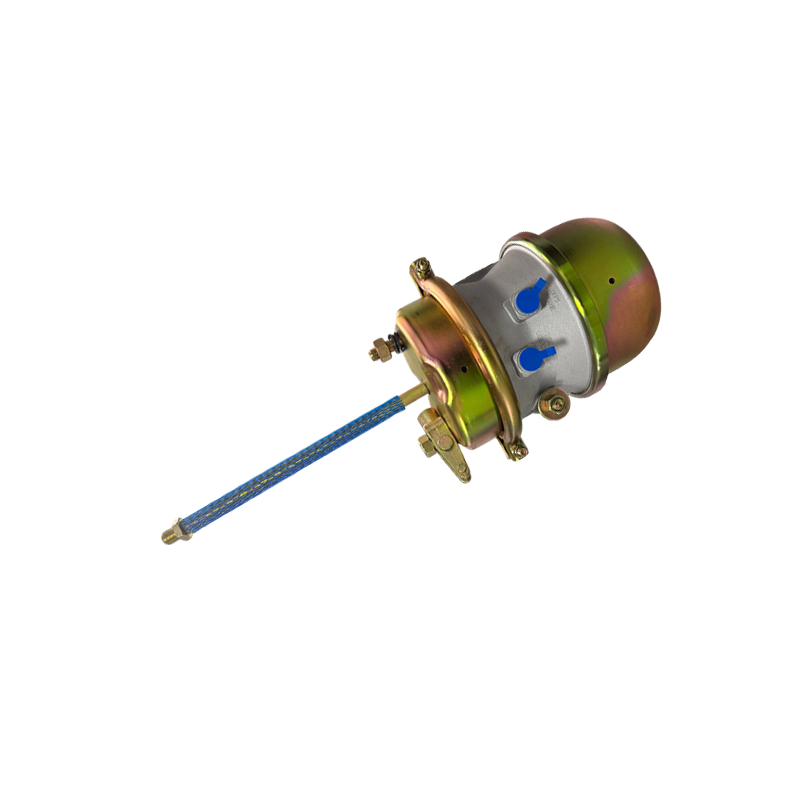
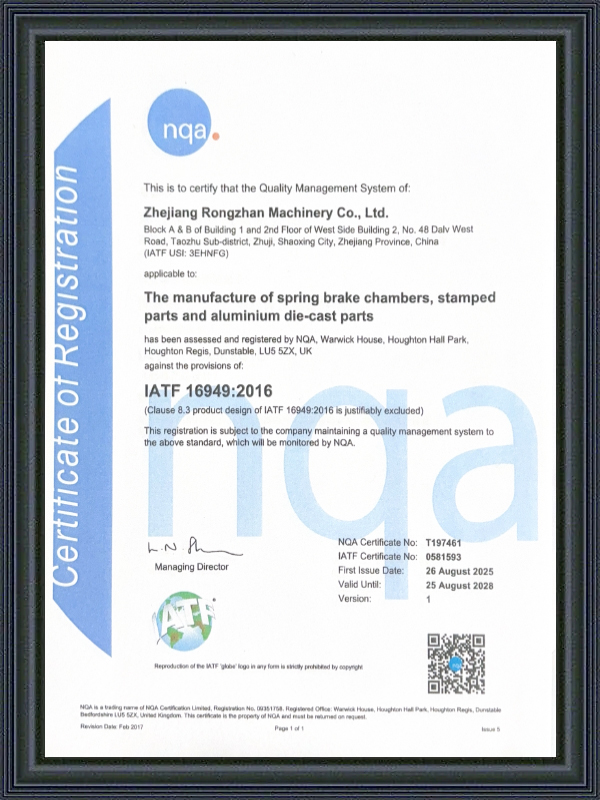
In the commercial vehicle industry, pneumatic braking systems are vital for maintaining control and operational security. Within these systems, the heavy duty brake chamber acts as the core component that converts compressed air energy into mechanical force, which then applies the brake pads against the drums or discs. Fleet operators, maintenance technicians, and equipment manufacturers often encounter two primary categories of actuators: standard stroke and long stroke chambers. Recognizing the specific differences between these two designs is essential for correct replacement practices, system optimization, and overall vehicle compliance. As a specialized manufacturer of commercial vehicle brake system components, Zhejiang Rongzhan Machinery Co., Ltd. produces both varieties to fulfill diverse global engineering requirements and regional transport mandates.
The Core Engineering Concepts and Physical Definitions
A standard stroke heavy duty brake chamber is designed with a specific pushrod travel limitation determined by the physical dimensions of the internal housing and the diaphragm expansion capacity. For a common size thirty chamber, a standard stroke model typically allows a maximum pushrod travel of two and a half inches, with the operational adjustment limit set at two inches. In contrast, a long stroke heavy duty brake chamber alters the internal chamber geometry and diaphragm profile to permit extended pushrod movement. This modification allows a size thirty long stroke variant to achieve a maximum stroke of three inches, moving the critical re-adjustment boundary further out. Zhejiang Rongzhan Machinery Co., Ltd. utilizes precise manufacturing tolerances to ensure that the internal components of both configurations accommodate their respective travel parameters without causing premature internal wear or structural fatigue during cyclic air applications.
| Chamber Type | Typical Size Reference | Maximum Physical Stroke | Legal Re-adjustment Limit |
| Standard Stroke | Type 30 | 2.5 Inches | 2.0 Inches |
| Long Stroke | Type 30 (Extended) | 3.0 Inches | 2.5 Inches |
| Standard Stroke | Type 24 | 2.25 Inches | 1.75 Inches |
| Long Stroke | Type 24 (Extended) | 2.5 Inches | 2.0 Inches |
Mechanical Performance and Force Output Under Thermal Load
The primary operational difference manifests when the braking system experiences thermal expansion during prolonged downhill descents or heavy stop-and-go duty cycles. As the brake drums heat up, they expand radially outward, which naturally requires the pushrod to travel further to maintain the same contact pressure between the brake linings and the drum surface. In a standard stroke chamber, if the pushrod travel approaches the mechanical limit due to drum expansion and normal lining wear, the output force drops significantly because the internal diaphragm reaches its full extension capacity. A long stroke heavy duty brake chamber provides an additional margin of travel, ensuring that the pushrod can extend further into the expanded drum while still maintaining the proper angle with the slack adjuster. This structural buffer reduces the risk of brake fade caused by mechanical travel limitations rather than friction material limitations, offering more consistent force development under demanding operational parameters.
Identification Methods and Visual Differences
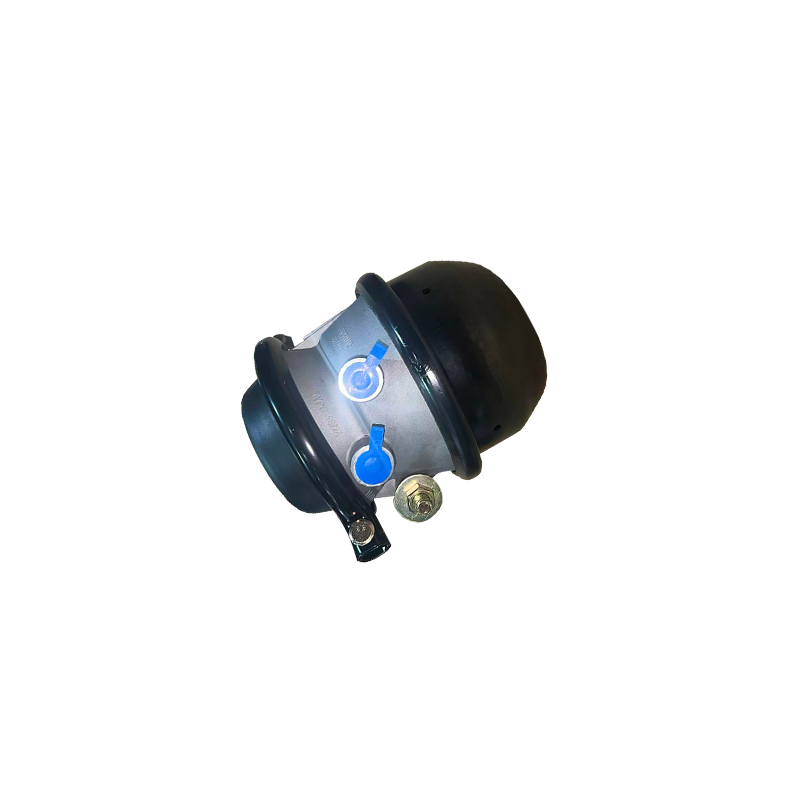
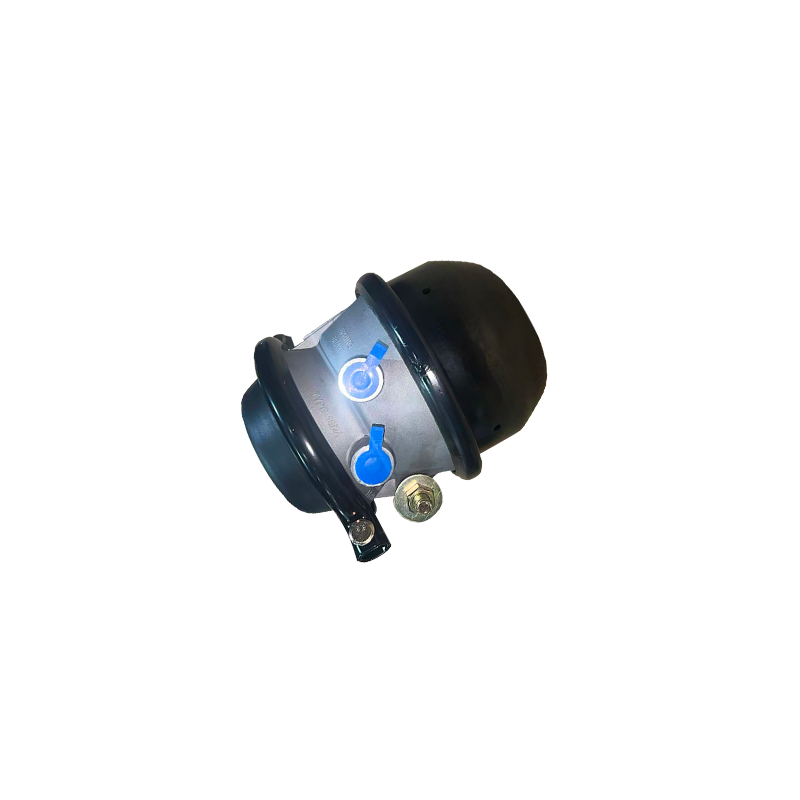
Preventing the intermixing of standard and long stroke components on the same axle is a critical maintenance rule, as asymmetric stroke characteristics cause uneven braking forces and unstable vehicle behavior. To facilitate straightforward identification in the field, manufacturers rely on standardized visual indicators. Long stroke chambers are universally distinguished by square air inlet ports or stamped indentations on the housing, whereas standard chambers utilize traditional round ports. Additionally, the clamp bands securing the diaphragm sections on long stroke models frequently feature specialized tags or distinct geometric shaping. Zhejiang Rongzhan Machinery Co., Ltd. applies these industry standard identification markings during the stamping and machining phases, allowing fleet mechanics to easily verify parts during routine inspections and avoid dangerous cross-installation errors on trucks and trailers.
Operational Note: Mixing standard and long stroke chambers on a single axle can create unbalanced brake application times and uneven torque distribution, accelerating component wear and impacting vehicle tracking during heavy braking events.
Regulatory Standards and Fleet Maintenance Cycles
Transportation authorities worldwide maintain strict rules regarding allowable pushrod travel limits to prevent commercial vehicles from operating with under-adjusted brakes. Inspection guidelines specify the exact point at which a brake is considered out of adjustment based on the chamber size and design type. Because long stroke models possess a greater stroke capacity, their legal adjustment limits are higher, giving fleet operators a wider operational window before the vehicle fails a roadside inspection. This characteristic does not replace the need for regular maintenance and functional automatic slack adjusters, but it provides a wider safety margin against out-of-adjustment violations caused by normal component wear between scheduled service intervals. Consequently, many international fleets transitioning to long stroke options report fewer commercial vehicle safety alliance infractions related to brake adjustment variables.
| Operational Parameter | Standard Stroke Chamber | Long Stroke Chamber |
| Port Identification | Standard Round Ports | Square Ports or Embossed Markings |
| Tolerance to Drum Expansion | Limited by Shorter Diaphragm Travel | Extended Buffer Zone for Heat Expansion |
| Common Applications | Legacy Trucks, Light Duty Trailers | Modern Heavy Duty Trucks, Long-Haul Trailers |
| Risk of Bottoming Out | Higher Under Extreme Heat or Wear | Reduced due to Extended Travel Mechanics |
Application Specific Selection and System Compatibility
Choosing between standard and long stroke heavy duty brake chambers depends heavily on the existing vehicle configuration, regional regulations, and specific operating environments. Modern commercial vehicles are increasingly specified with long stroke chambers as standard factory equipment due to the enhanced travel safety margins they offer for heavy payloads. However, older trailer fleets and specific regional vehicle architectures continue to utilize standard stroke models as direct replacements to preserve the original system design. Zhejiang Rongzhan Machinery Co., Ltd. supplies a complete selection of both configurations to global markets, ensuring that regardless of whether a vehicle requires a standard service chamber for a regional trailer or a long stroke spring chamber for a heavy haul tractor, the replacement component matches the required specifications for fit, form, and mechanical function.
FAQ
A: Every heavy duty brake chamber produced by Zhejiang Rongzhan Machinery Co., Ltd. undergoes strict quality control protocols that include robust surface treatments to resist corrosion from salt, moisture, and road debris. Our stable production processes utilize high-grade steel housings and fatigue-resistant internal springs, ensuring that components supplied to overseas markets maintain their mechanical integrity and structural performance throughout their service lifecycle.
A: Installing mismatched configurations on a single axle creates uneven pushrod travel and unbalanced braking forces. Because a long stroke heavy duty brake chamber accommodates more mechanical movement before reaching its adjustment limit, the braking response times will differ across the axle, leading to uneven brake lining wear, compromised vehicle tracking during sudden stops, and potential regulatory compliance infractions.
A: Service chambers are designed solely for active braking via compressed air during vehicle operation, whereas spring brake chambers incorporate a heavy mechanical spring to act as an emergency and parking brake system. For heavy duty commercial vehicles, trailers, and trucks operating on steep inclines or transport routes with frequent parking requirements, spring-loaded units are essential to keep the vehicle safely stationary when air pressure drops or when the vehicle is uncoupled.
A: Proper identification relies on checking the manufacturer markings, port configurations, and measuring the service clamp band diameter. Zhejiang Rongzhan Machinery Co., Ltd. provides clear stamping and standardized technical labeling on our products, and technicians can confirm whether a unit is a standard or long stroke model by observing the inlet port design, where square ports generally indicate long stroke configurations to simplify field maintenance.
A: Diaphragm wear is typically caused by continuous mechanical flexing, thermal cycling, and the presence of oil or moisture within the pneumatic lines. Signs of degradation include audible air leaks during brake application, slower pressure buildup, or a noticeable decrease in pushrod force output, which requires immediate inspection and component replacement to ensure consistent operational safety.