

 русский
  Español
  عربى
عربى 

INQUIRY NOW

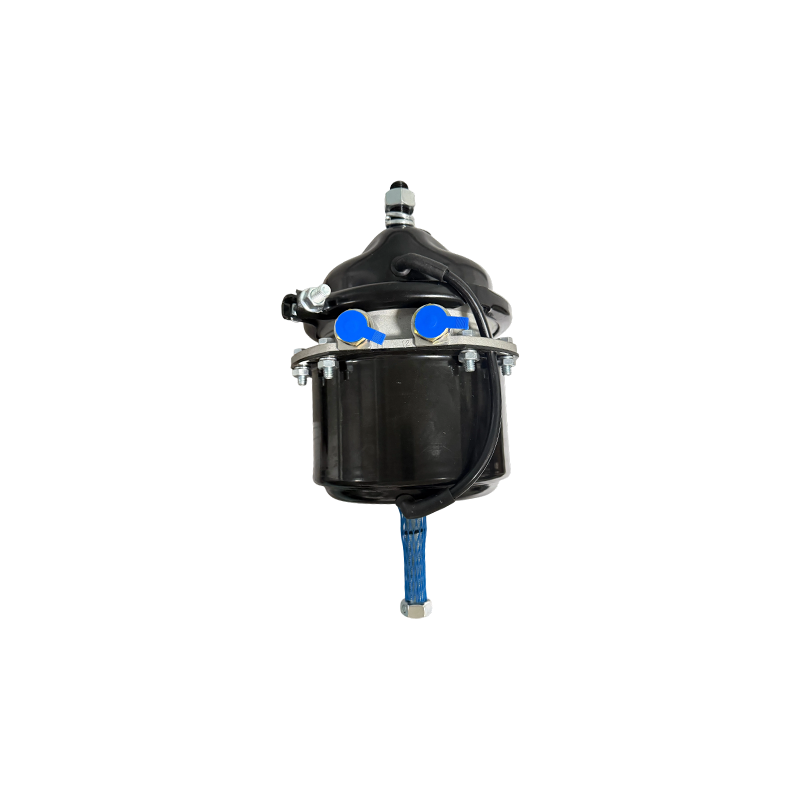



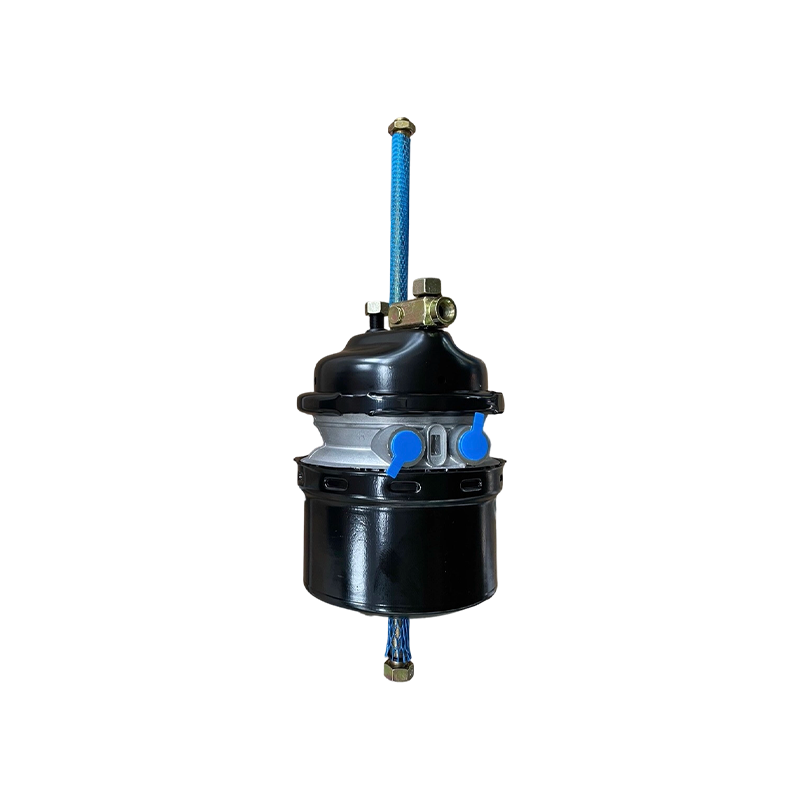
The Diaphragm Piston brake chamber is a high-performance braking component mounted on a vehicle's axle; connected via a yoke to the slack adjuster, it plays a direct and integral role in the vehicle's braking system. Unlike traditional brake chambers, the DP model utilizes a piston—rather than a diaphragm—in its lower section, achieving braking action through the synchronized movement of the piston and a large return spring. This design not only extends the braking stroke—resulting in smoother and more reliable braking—but also effectively minimizes component wear and enhances sealing performance, thereby extending the product's overall service life.
Featuring a compact structure and ease of installation, the DP brake chamber is compatible with a wide range of vehicle types—including light-duty trucks, heavy-duty trucks, and specialized vehicles—meeting diverse braking requirements across various operating conditions. Under high-load and frequent start-stop scenarios, the piston-based design delivers consistent braking force while simultaneously reducing maintenance frequency and enhancing overall vehicle operational reliability. Manufactured using precision processes and high-strength materials, the product ensures dimensional accuracy and long-term durability; furthermore, through optimized seals and internal structural design, it effectively prevents air leakage as well as the ingress of dust and moisture, thereby guaranteeing the long-term stability of the braking system. With its distinct advantages—including an extended stroke, minimal wear, high reliability, and long service life—the DP brake chamber stands as a critical core component within modern commercial vehicle braking systems.
RONGZHAN
BRAKE COMPONENTS
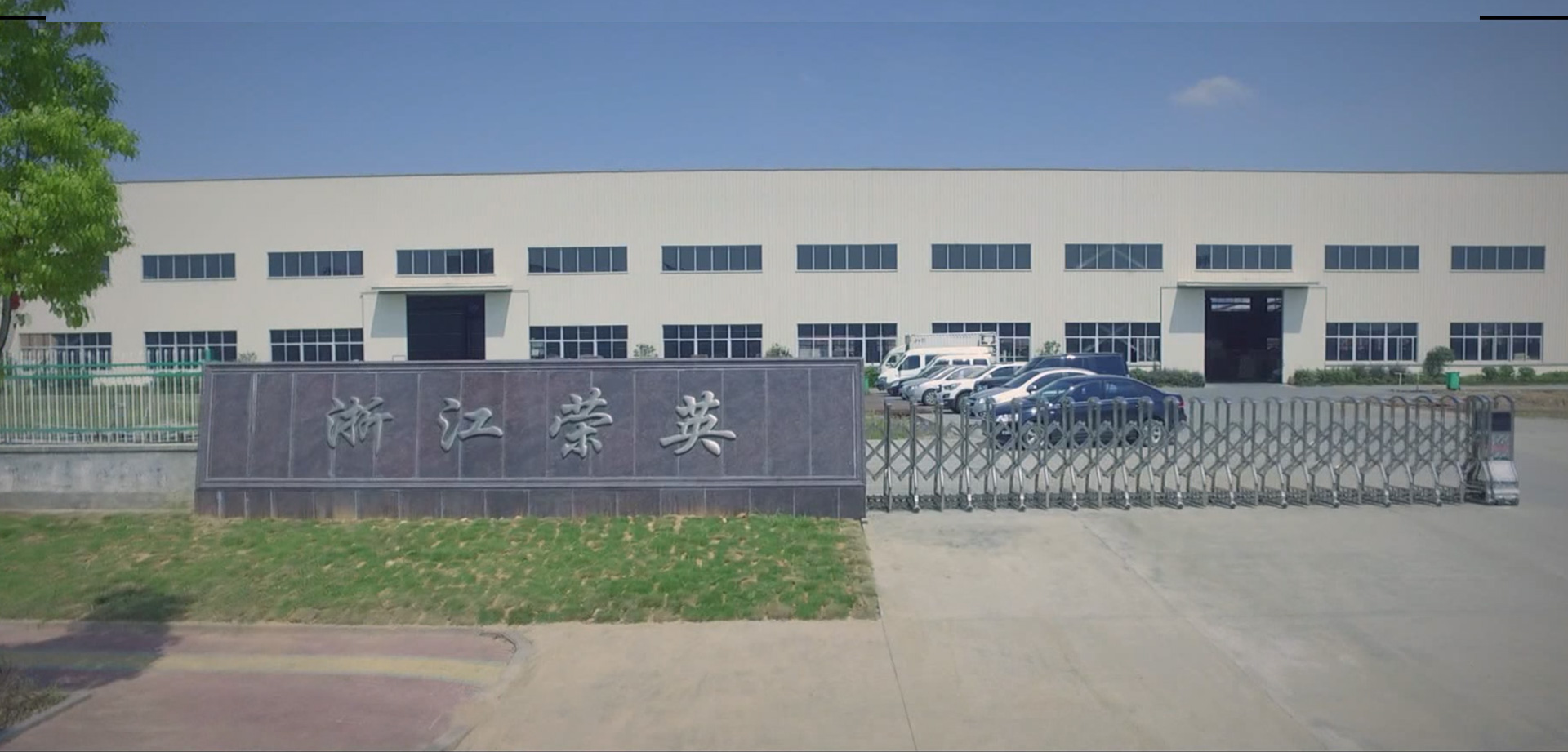
As China DP Brake Chamber Manufacturers and DP Brake Chamber Suppliers, Zhejiang Rongzhan Machinery Co., Ltd. specialize in the production of spring brake chambers and service brake chambers for trucks and trailers. Backed by stable production capacity, strict quality control systems, and extensive export experience, our products are widely supplied to overseas markets and OEM customers worldwide. Rongzhan is committed to reliable quality, consistent performance, and long-term partnerships. We provide customers with cost-effective solutions and dependable service.
-
 0Year Established
 -
 0+Number of Employees
 -
 0SetsAnnual Production Volume
 -
0SetsAnnual Export Volume
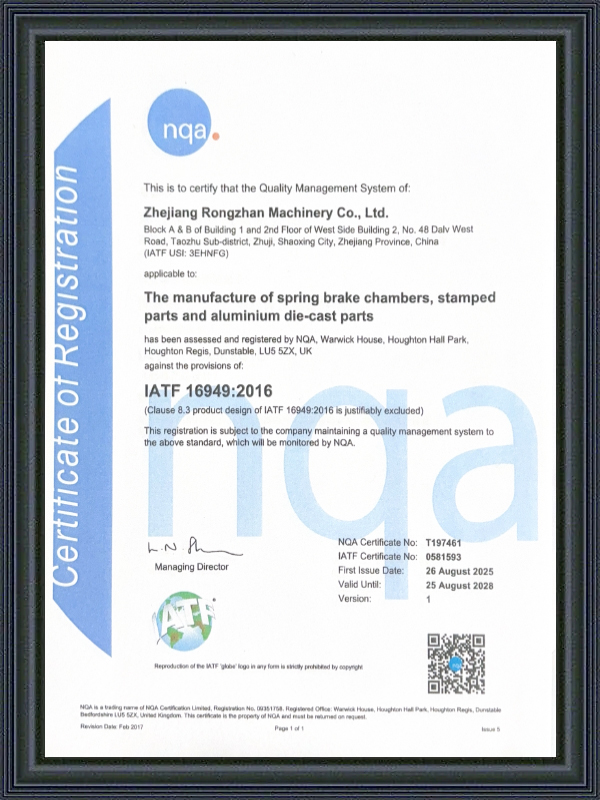
Certificate Of Honor

News
-
If you are qualifying a wedge brake chamber factory, settle five things before you talk about price: control over the wedge and roller components, test data produced on the wedge platform itself, pre-delivery inspection discipline, written interface dimensions, and the ability to repeat the same pa...
-
Two suppliers quote the same Type 20 service wedge brake chamber, and one is 20 percent cheaper. Six months later, the fleet that took the cheaper quote is replacing chambers early, re-adjusting stroke and paying freight twice. The saving never appeared on the invoice. It hid in the diaphragm compo...
-
Every S-Cam brake chamber you buy, whether you are a fleet maintenance director or an OEM purchasing engineer, is a bet on the factory that built it. The same Type 24 or Type 30 part number can behave very differently depending on the quality of the aluminum housing, the diaphragm compound, and the...
DP Brake Chamber Industry knowledge
The Role of DP Brake Chamber Technology in Enhancing Fleet Braking Efficiency
Heavy-duty commercial vehicles necessitate robust components capable of translating pneumatic pressure into predictable, sustainable stopping forces. In modern transport engineering, the dual-piston or dual-performance brake chamber, often designated as the DP brake chamber, represents a technical refinement in pneumatic actuator design. Unlike traditional single-diaphragm service chambers, the internal geometry and pressure distribution of a DP configuration focus on maximizing force translation while maintaining compact exterior dimensions. Managing the physical challenges of heavily loaded trucks and trailers requires actuators that reduce response lag and optimize internal air consumption. As an established global manufacturer of commercial vehicle brake system components, Zhejiang Rongzhan Machinery Co., Ltd. builds specialized chamber solutions to help international fleets achieve consistent deceleration performance across diverse operating profiles.
Internal Structural Configuration and Pressure Area Optimization
The primary engineering enhancement within a DP brake chamber involves the alteration of the effective pressure surface area inside the cylinder. In standard pneumatic chambers, output force is strictly limited by the diameter of a single flexible rubber diaphragm. The DP design introduces a dual-performance pressure configuration or structured piston arrangement that maximizes the effective surface area against which the compressed air acts without expanding the overall outer diameter of the shell. This structural configuration permits a greater volume of linear force to be generated at identical pneumatic input pressures. Zhejiang Rongzhan Machinery Co., Ltd. utilizes strict quality control systems during the deep-drawing and assembly phases of these steel housings, ensuring that the internal seals and alignment guides prevent pressure loss and maintain a uniform stroke trajectory under continuous heavy load demands.
| Design Factor | Standard Diaphragm Chamber | DP Brake Chamber |
| Force Production Method | Single Surface Flexing Diaphragm | Optimized Dual-Performance Pressure Surface |
| Housing Volume Efficiency | Requires Larger Diameters for Higher Force | Maintains Compact Diameter with High Force Output |
| Pneumatic Response Rate | Standard Fill and Exhaust Cycles | Accelerated Linear Action Due to Decreased Dead Air Space |
| Stroke Uniformity | Subject to Diaphragm Distortions over Time | Guided Linear Travel for Uniform Force Delivery |
Mechanical Force Transmission and Linear Travel Stabilization
Braking efficiency is measured not just by peak force output, but by how consistently that force is sustained throughout the entire duration of the pushrod stroke. Traditional chambers often suffer from a slight reduction in mechanical advantage as the diaphragm approaches its full extension limit because the rubber material stretches and alters the working angle. A DP brake chamber reduces this degradation by utilizing a highly guided internal movement mechanism that delivers a uniform force output regardless of whether the pushrod is at the beginning, middle, or end of its travel path. This steady output means the slack adjuster and S-camshaft receive an unvaried amount of rotational torque, allowing the brake shoes to maintain stable friction contact with the drum. This linear stabilization is particularly useful during heavy brake applications where gradual lining wear requires the pushrod to extend further to complete the stop.
Thermal Management and Mechanical Reliability Under Load
Operating a heavy-duty commercial vehicle involves managing massive thermal energy dissipation, especially during extended downhill travel or frequent stop-and-go heavy hauling. The internal components of a DP brake chamber are engineered to withstand the radiant heat migrating from the hot brake drums through the camshaft and mounting brackets. The choice of materials for the internal return springs and sealing components dictates the long-term reliability of the system. Zhejiang Rongzhan Machinery Co., Ltd. incorporates high-tensile steel springs and heat-stabilized synthetic compounds in its production lines, allowing the actuators to preserve their structural sealing properties. By preventing internal pressure bypassing caused by thermal softening, the chamber maintains its design output efficiency even when surrounding foundation brake elements operate at elevated temperatures.
| Operating Condition | Standard Actuator Behavior | DP Actuator Performance Characteristics |
| Low Pressure Application (Normal Traffic) | Standard proportional pressure response | Immediate initial movement due to optimized area |
| High Thermal Load (Mountain Descents) | Potential force drop from diaphragm expansion | Sustained force output via heat-stabilized sealing |
| Extended Stroke Requirements (Worn Linings) | Reduced force generation near maximum travel | Consistent mechanical force throughout the stroke profile |
| High Vibration Environments (Off-Road Hauling) | Accelerated wear on unguided pushrod seals | Enhanced durability from guided structural components |
Pneumatic Response Optimization and Air Volume Conservation
Efficiency in heavy vehicle air brakes also relates to system response timing and the speed at which the chamber populates and exhausts compressed air. Large-diameter standard chambers require a significant volume of air to fill the internal cavity before the diaphragm moves, which can introduce a minute delay between the driver pressing the pedal and the actual shoes contacting the drum. The optimized internal geometry of a DP brake chamber minimizes the internal dead air space, meaning a smaller volume of air is required to initiate pushrod movement. This rapid pressure accumulation shortens the application lag time, reducing total stopping distances. Furthermore, conserving air volume reduces the operational cycles imposed on the vehicle compressor, saving engine horsepower and lowering fuel consumption across long-haul operations.
System Integration, Replacement Compatibility, and Market Adaptation
Adopting advanced DP brake chamber configurations into an existing fleet requires complete compatibility with standard vehicle architectures and global safety standards. These units feature standard mounting stud spacing and common pneumatic port threading, allowing fleet operators to replace traditional service or spring chambers during routine overhaul cycles without altering the original mounting brackets or air lines. Zhejiang Rongzhan Machinery Co., Ltd. leverages its stable production capacity and extensive export experience to supply these cost-effective, dependable solutions to overseas markets and OEM customers worldwide, ensuring that modern fleet upgrades fulfill structural space requirements while improving the functional stopping capabilities of commercial vehicles.
FAQ
Q: How does the reduced dead air space in a DP brake chamber improve real-world vehicle stopping distances?
A: By optimizing the internal housing geometry, a DP brake chamber significantly lowers the volume of compressed air required to fill the pressure cavity prior to pushrod movement. This minimization of dead air space accelerates pneumatic pressure buildup, which shortens the time lag between the driver pressing the pedal and the brake shoes contacting the drum, directly reducing the total stopping distance of heavily loaded vehicles.
Q: Why does a DP brake chamber maintain more uniform force delivery throughout its entire stroke compared to a standard diaphragm configuration?
A: Standard diaphragms experience material stretching and angular distortion as they approach maximum extension, which reduces their mechanical output force near the end of the stroke. A DP brake chamber utilizes a guided internal structural design that distributes pneumatic pressure evenly against the moving surfaces, keeping the linear output force stable from the beginning of pushrod travel to full extension.
Q: What maintenance steps are necessary to ensure the internal alignment guides of a DP brake chamber do not experience premature wear?
A: Technicians must verify that the brake chamber pushrod is mounted perfectly perpendicular to the slack adjuster arm during installation. Any structural misalignment or angular offset introduces severe side-loading forces that can degrade the internal alignment guides and piston seals, causing uneven internal friction and reducing the operating efficiency of the actuator.
Q: How does Zhejiang Rongzhan Machinery Co., Ltd. protect the internal components of its DP brake chamber models from extreme heat conduction?
A: Zhejiang Rongzhan Machinery Co., Ltd. uses high-tensile steel return springs and heat-stabilized synthetic sealing compounds capable of enduring high thermal radiation. This strict material selection ensures that when intense heat migrates from the brake drums during heavy hauling, the internal seals maintain their structural integrity and prevent pressure bypassing, ensuring consistent long-term performance.
Q: Can a DP brake chamber directly replace a conventional service chamber on an existing trailer mounting bracket without modification?
A: Yes, these units are engineered with standardized mounting stud spacing and common pneumatic port configurations matching global commercial vehicle specifications. This design compatibility allows fleet operators to upgrade to the high-efficiency performance of a DP configuration during routine maintenance cycles without needing to modify existing axle brackets or supply lines.

- WHY US
- Company Profile
- Certifications
- News
- PRODUCTS
- S-Cam Type Brake Chamber
- DISC Brake Chamber
- Wedge Brake Chamber
- Piggyback Brake Chamber
- Brake Chamber Repair Kits
- MANUFACTURING
- Customer Service
- Factory Tour
-
-
No.90 Zhancheng Avenue, Zhuji City, Zhejiang Province, China

-
rongzhan@zjrongzhan.com / judith@zjrongzhan.com

-
+86-15258814607

-
- CONTACT


