

 русский
  Español
  عربى
عربى 

INQUIRY NOW

-
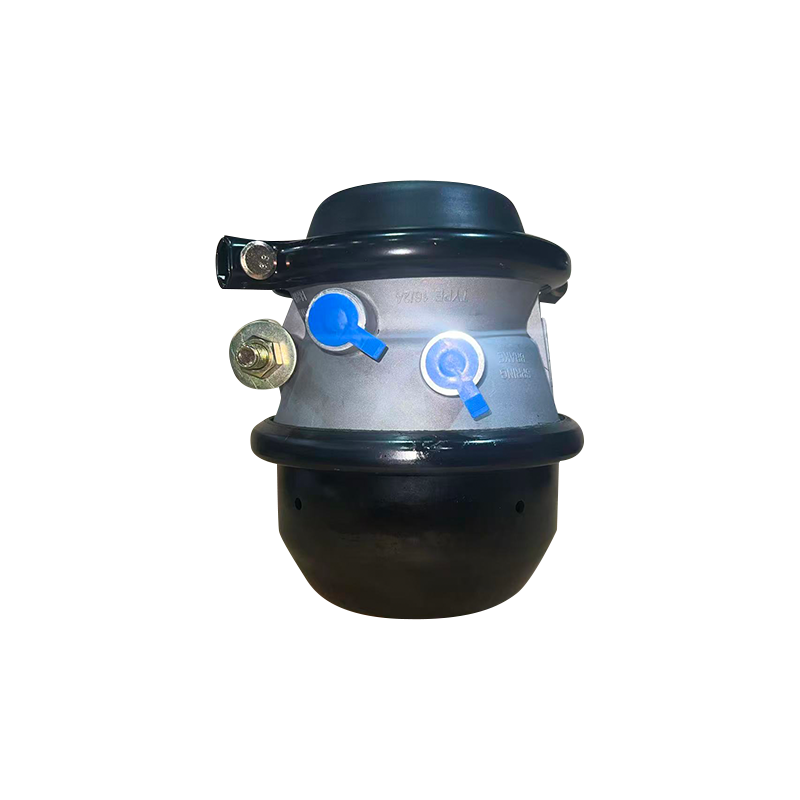



ADB1624 Piggyback Precision Control Chamber
-
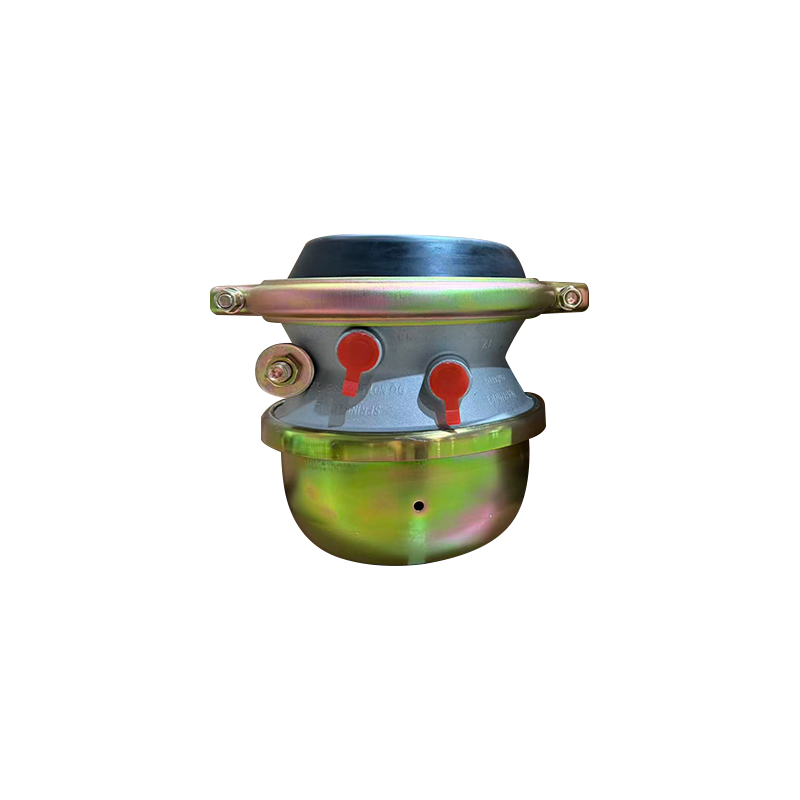
3030DD 2.25" Piggyback High-Performance Stable Chamber
-
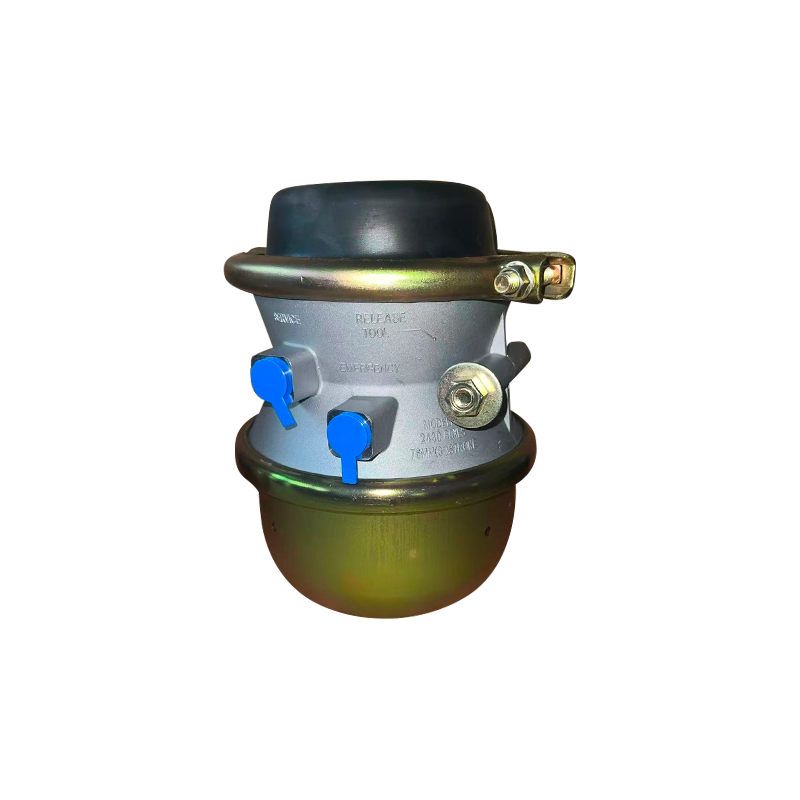
2430DD Piggyback Long Stroke Safety Chamber
-
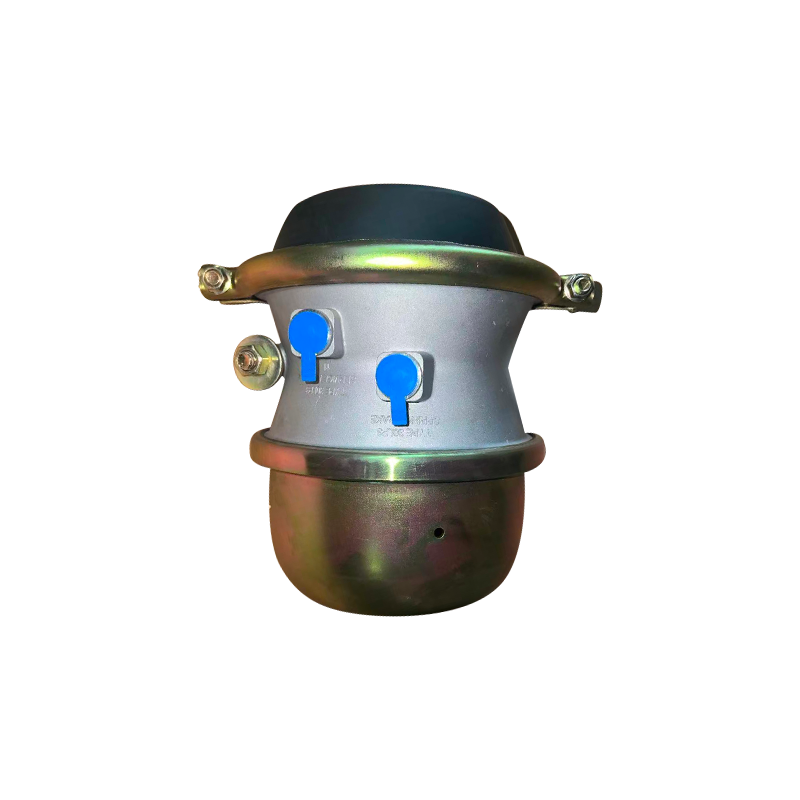
3030DD Piggyback Heavy Duty Long Stroke Chamber
The Piggyback series of brake chambers represents an innovative braking solution designed to provide users with a safer and more convenient operational experience. Unlike traditional brake chambers, the Piggyback design allows for the maintenance or replacement of critical components without the need to replace the entire chamber assembly; this significantly reduces maintenance costs while simultaneously enhancing equipment maintenance efficiency. Widely applicable to commercial vehicles—including heavy-duty trucks, trailers, and buses—this series of brake chambers combines exceptional reliability with operational ease.
Through precision pneumatic control and an efficiently engineered internal mechanism, Piggyback brake chambers deliver stable and controllable braking force during vehicle operation. Concurrently, they minimize downtime and operational complexity, thereby meeting the rigorous demands of modern vehicles for high levels of safety, efficiency, and maintainability. The products are manufactured using automated production processes, ensuring that every brake chamber adheres to consistent standards regarding dimensional precision, performance stability, and service life, thereby demonstrating superior reliability in both routine daily use and high-intensity operating conditions.
RONGZHAN
BRAKE COMPONENTS
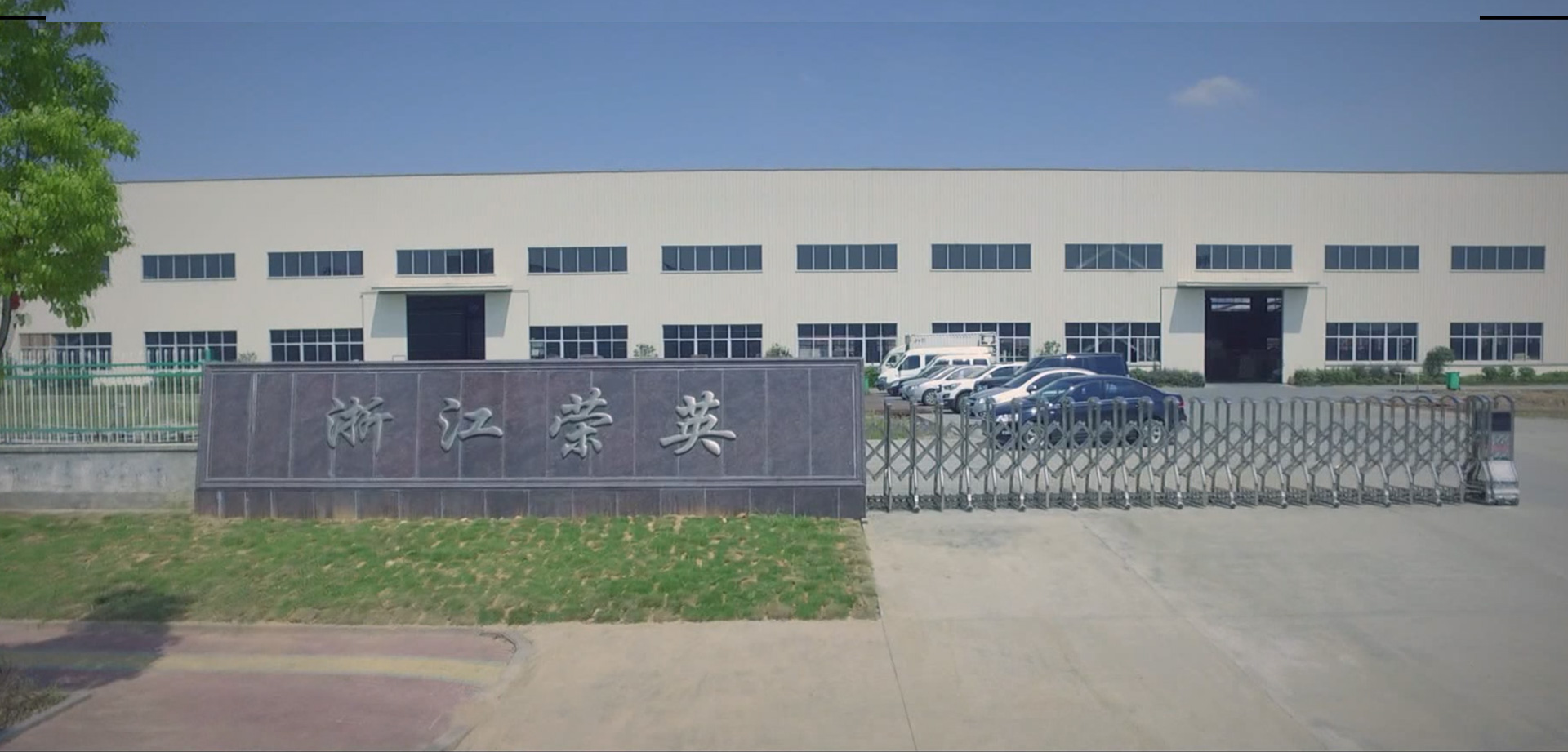
As China Piggyback Brake Chamber Factory and Long Stroke Brake Chamber Manufacturers, Zhejiang Rongzhan Machinery Co., Ltd. specialize in the production of spring brake chambers and service brake chambers for trucks and trailers. Backed by stable production capacity, strict quality control systems, and extensive export experience, our products are widely supplied to overseas markets and OEM customers worldwide. Rongzhan is committed to reliable quality, consistent performance, and long-term partnerships. We provide customers with cost-effective solutions and dependable service.
-
 0Year Established
 -
 0+Number of Employees
 -
 0SetsAnnual Production Volume
 -
0SetsAnnual Export Volume
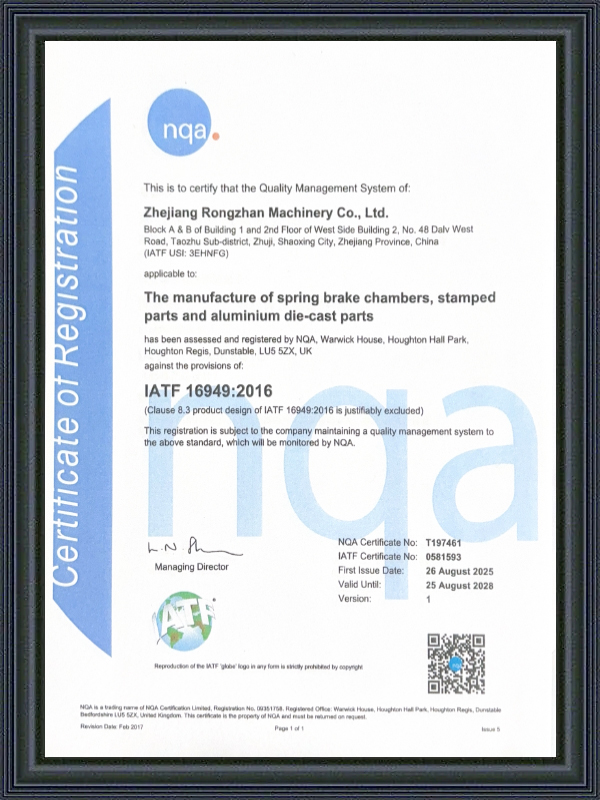
Certificate Of Honor

News
-
If you are qualifying a wedge brake chamber factory, settle five things before you talk about price: control over the wedge and roller components, test data produced on the wedge platform itself, pre-delivery inspection discipline, written interface dimensions, and the ability to repeat the same pa...
-
Two suppliers quote the same Type 20 service wedge brake chamber, and one is 20 percent cheaper. Six months later, the fleet that took the cheaper quote is replacing chambers early, re-adjusting stroke and paying freight twice. The saving never appeared on the invoice. It hid in the diaphragm compo...
-
Every S-Cam brake chamber you buy, whether you are a fleet maintenance director or an OEM purchasing engineer, is a bet on the factory that built it. The same Type 24 or Type 30 part number can behave very differently depending on the quality of the aluminum housing, the diaphragm compound, and the...
Piggyback Brake Chamber Industry knowledge
The Role of Long Stroke Brake Chamber Technology in Mitigating Tractor-Trailer Brake Fade
Pneumatic brake systems on heavy-duty tractor-trailers operate under extreme mechanical and thermal stress, particularly when managing large gross vehicle weights during extended downhill descents or frequent deceleration cycles. A primary safety concern in commercial transport operations is brake fade, a phenomenon where the friction threshold drops, leading to lengthened stopping distances. While brake fade is typically associated with the thermal limits of friction linings, it is heavily accelerated by mechanical stroke limitations within the air chamber actuators. The long stroke brake chamber was engineered as a structural enhancement to address this physical limitation by providing additional pushrod travel capability. As an established global manufacturer of commercial vehicle brake system components, Zhejiang Rongzhan Machinery Co., Ltd. incorporates strict quality control systems to produce reliable long stroke brake chamber variants that maintain stable deceleration parameters for international fleets and OEM customers.
The Physics of Mechanical Brake Fade and Drum Expansion
To understand how a long stroke brake chamber functions, it is necessary to examine the physical changes that occur within a foundation drum brake during high-energy braking. As the brake shoes press against the spinning iron brake drum, the friction generates intense thermal energy, causing the drum temperature to spike. Iron naturally expands when heated, which causes the diameter of the brake drum to increase radially outward. This expansion creates a larger physical gap between the unapplied brake shoes and the friction face of the drum. Consequently, the chamber pushrod must travel further through its stroke simply to close this expanded clearance gap and bring the shoes into contact with the metal surface. In standard chambers, this thermal expansion can cause the pushrod to reach its physical travel limit, a condition known as bottoming out, where no additional mechanical force can be delivered regardless of increases in air pressure.
| Thermal State | Standard Stroke Actuator Behavior | Long Stroke Actuator Behavior |
| Ambient Operating Temperature | Pushrod travels within normal 2.0-inch adjustment limits | Pushrod operates comfortably with substantial reserve stroke |
| Elevated Thermal Load (Expansion) | Approaches or hits maximum stroke limit (Bottoming out) | Utilizes extended stroke buffer to maintain shoe pressure |
| Mechanical Force Delivery | Drops toward zero as the actuator bottoms out | Maintains stable linear force transmission to the camshaft |
Extended Pushrod Travel Boundaries and Structural Reserve Space
A long stroke brake chamber resolves the danger of mechanical bottoming out by shifting the structural travel boundaries of the internal pushrod assembly. For example, a standard Type 30 service or spring chamber possesses a maximum stroke limit of 2.5 inches, with a legal adjustment re-adjustment limit of 2.0 inches. A Type 30 long stroke brake chamber increases the physical travel capability to 3.0 inches, expanding the adjustment limit threshold to 2.5 inches. This extra half-inch of linear travel serves as a vital mechanical reserve space. When thermal expansion forces the pushrod to extend beyond standard limits, the long stroke housing allows the internal pressure plate to continue moving forward without hitting the internal cylinder step, ensuring that clamping force is successfully maintained against the expanding drum face.
Altered Housing Geometry and Diaphragm Protection
Achieving this extended travel profile requires changes to the structural geometry of the actuator casing rather than just installing a longer pushrod. The center body section and the main pressure plate of a long stroke brake chamber feature a deeper, more square profile to accommodate the increased linear displacement without causing the rubber diaphragm to stretch beyond its elastic limits. Traditional diaphragms subjected to extreme stroke demands can experience localized thinning or tearing along the clamped perimeter flange due to angular stress. The modified geometry of the long stroke chamber ensures that the diaphragm rolls smoothly along the internal walls, preventing localized friction and lowering the risk of sudden pneumatic pressure loss during high-frequency cycling in overseas transport routes.
| Chamber Type (Size 30) | Maximum Physical Stroke | Legal Re-adjustment Limit | Housing Profile Characteristic |
| Standard Configuration | 2.5 Inches | 2.0 Inches | Tapered shell with standard axial depth |
| Long Stroke Configuration | 3.0 Inches | 2.5 Inches | Squared-embossed shell with extended deep pocket |
Pneumatic Compliance and Brake System Timing Consistency
Beyond providing a physical stroke reserve, long stroke brake chambers help maintain consistent pneumatic application timing across the entire tractor-trailer combination. When a trailer utilizes a mixture of standard and improperly adjusted chambers, the air volume demands vary per wheel end, which can introduce minor application timing delays and cause the trailer to push against the tractor during sudden deceleration. Because long stroke units feature precise volumetric parameters, they help stabilize the pressure rise thresholds within the air lines. This volumetric consistency ensures that the slack adjusters receive uniform mechanical initialization, minimizing vehicle combination instability and preventing uneven brake lining wear across the axle groups.
Global Standard Compliance and Fleet Deployment Advantages
Modern transport regulations across North America and Europe mandate the use of long stroke configurations or visible stroke indicators on heavy-duty commercial trailers to reduce the incidence of out-of-adjustment safety violations. Long stroke brake chambers are engineered with specialized identification tags or square-boss port configurations to allow transport inspectors and workshop technicians to verify compliance instantly during routine safety reviews. Zhejiang Rongzhan Machinery Co., Ltd. utilizes its stable production capacity and extensive export experience to supply these cost-effective, dependable long stroke variations to global aftermarket networks and OEM builders, supporting long-term fleet partnerships through verified structural alignment and predictable mechanical performance.
FAQ
Q: How does the extended pushrod travel of a long stroke brake chamber prevent mechanical bottoming out when a brake drum expands thermally?
A: When heavy commercial vehicle brake drums overheat during prolonged braking, the iron expands radially outward, creating a larger physical gap between the friction linings and the drum face. A long stroke brake chamber provides an additional half-inch of pushrod travel reserve, allowing the internal pressure plate to continue moving forward and maintaining stable clamping force where a standard chamber would bottom out against its own housing limits.
Q: What geometrical alterations distinguish a long stroke brake chamber housing from a standard configuration to accommodate the extra linear travel?
A: To allow for the increased linear displacement without over-stretching the rubber components, a long stroke brake chamber features a deeper, more square-embossed center body section and pressure plate design. This modified internal pocket geometry ensures the flexible diaphragm rolls smoothly along the cylinder walls rather than experiencing localized thinning or perimeter stress during deep stroke cycles.
Q: Why does a long stroke brake chamber help reduce the frequency of out-of-adjustment safety violations during roadside fleet inspections?
A: In a standard Type 30 chamber, the legal re-adjustment limit is strictly 2.0 inches, meaning minor lining wear can quickly push the pushrod stroke out of compliance. By expanding the legal re-adjustment threshold to 2.5 inches, a long stroke brake chamber provides a wider operational tolerance window, accommodating normal mechanical wear and reducing unexpected downtime during transit inspections.
Q: How does the volumetric consistency of long stroke brake chambers from Zhejiang Rongzhan Machinery Co., Ltd. prevent combination vehicle instability or jackknifing?
A: When a tractor-trailer combination mixes mismatched or poorly adjusted chambers, the unequal air volume demands cause localized pneumatic timing lag, making the trailer push unevenly against the tractor. Long stroke units from Zhejiang Rongzhan Machinery Co., Ltd. maintain precise internal volumetric parameters that standardize pressure rise thresholds across the axle groups, ensuring synchronized brake timing and balanced axle deceleration.
Q: What identification features are structurally integrated into long stroke brake chambers to assist maintenance technicians with immediate verification?
A: To ensure accurate system servicing and compliance tracking, long stroke brake chambers are manufactured with distinct physical identification markers, such as embossed trapezoidal or square bosses around the pneumatic inlet ports and highly visible, specialized trapezoidal tags. This clear structural marking prevents technicians from accidentally installing a standard chamber on an axle array configured for long-stroke performance.

- WHY US
- Company Profile
- Certifications
- News
- PRODUCTS
- S-Cam Type Brake Chamber
- DISC Brake Chamber
- Wedge Brake Chamber
- Piggyback Brake Chamber
- Brake Chamber Repair Kits
- MANUFACTURING
- Customer Service
- Factory Tour
-
-
No.90 Zhancheng Avenue, Zhuji City, Zhejiang Province, China

-
rongzhan@zjrongzhan.com / judith@zjrongzhan.com

-
+86-15258814607

-
- CONTACT


