

 русский
  Español
  عربى
عربى 


Disc Brake Chamber Explained: Why Fleets Are Switching From Drum Systems
Content
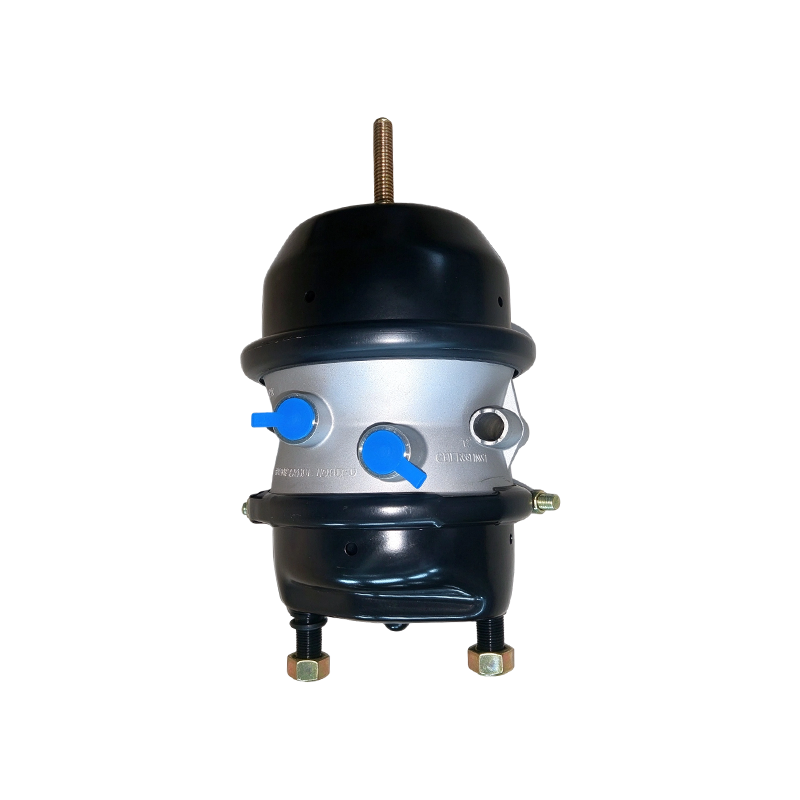
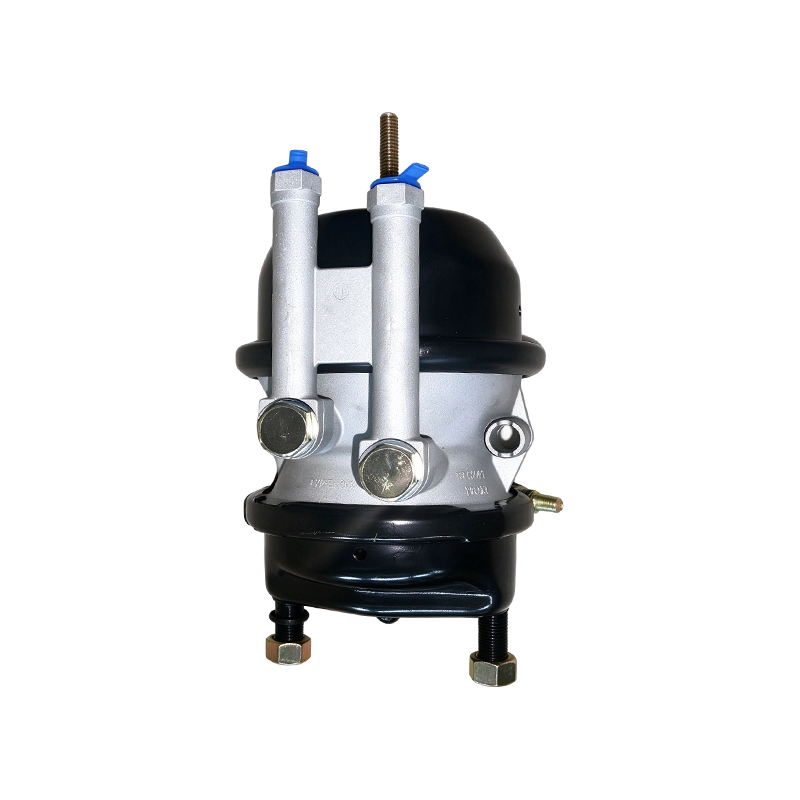
A disc brake chamber converts compressed air pressure into the mechanical force that pushes the caliper's brake pads against the rotor. Compared to the drum-brake S-cam chambers they've been replacing on most modern commercial trucks and trailers, disc chambers deliver a shorter stroke, faster response time, and more consistent force delivery — at a higher unit cost and stricter stroke-adjustment tolerance.
How a Disc Brake Chamber Converts Air Pressure Into Force
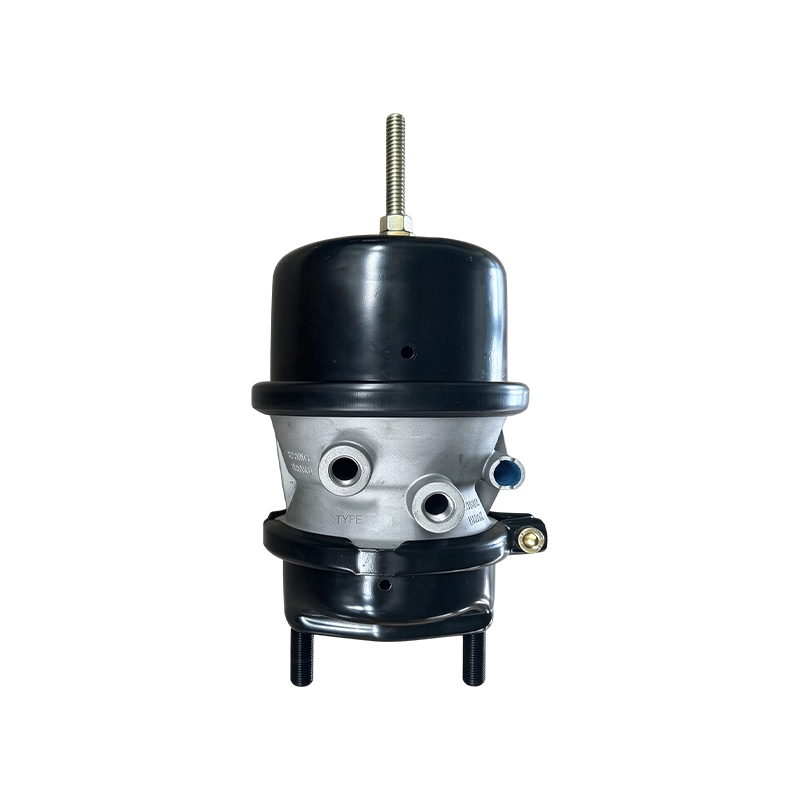
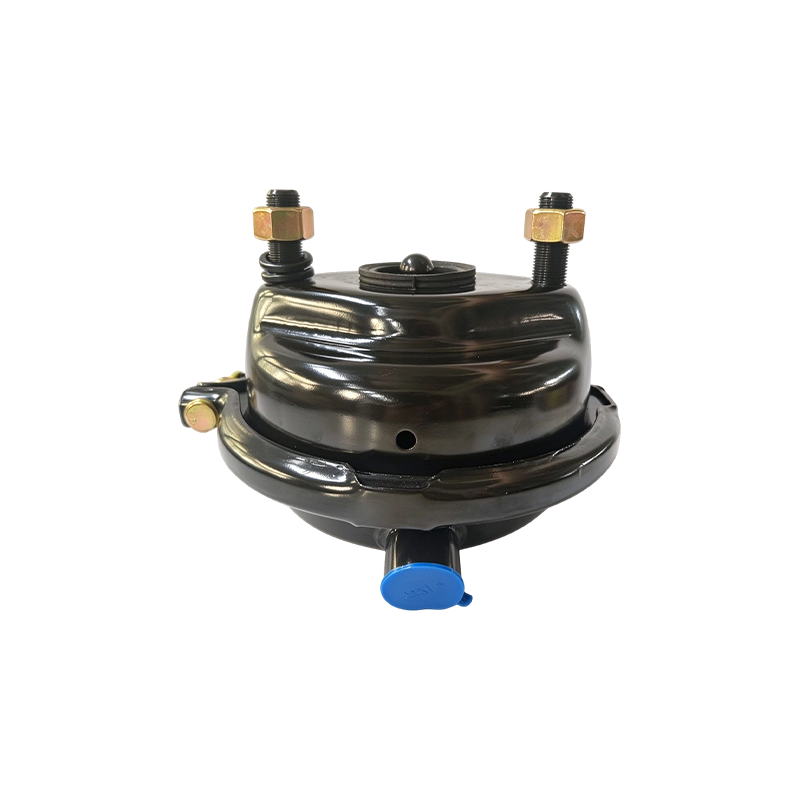
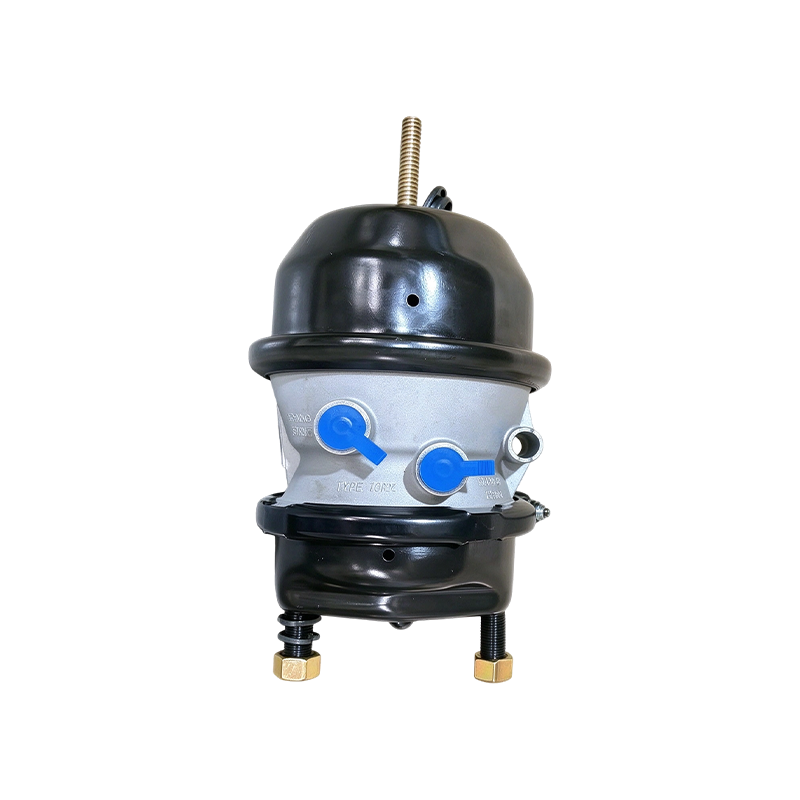
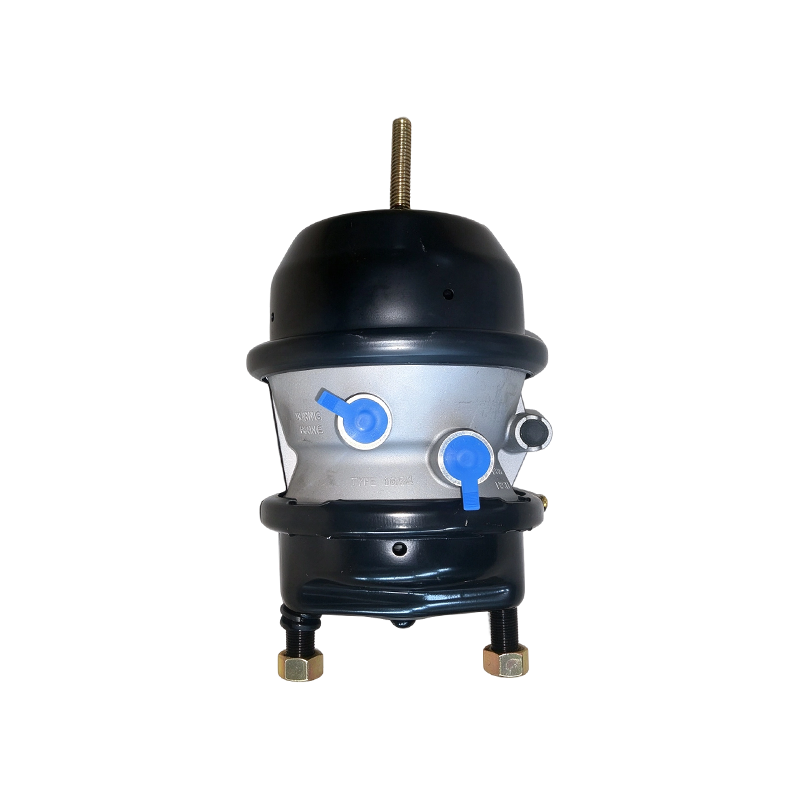
A disc brake chamber is a sealed cylindrical housing split into two sections by a flexible diaphragm. When the driver applies the brake pedal, compressed air enters the chamber and pushes against the diaphragm, driving a pushrod outward. That pushrod connects to the caliper's actuation mechanism, which clamps the pads against the rotating disc. Release the air pressure, and an internal return spring pulls the pushrod back, releasing the pads.
Most disc chambers used on heavy vehicles are spring brake chambers — a combination unit with a service chamber for normal braking and a spring chamber behind it that applies full mechanical force for parking and emergency braking, using stored spring pressure rather than air pressure. This dual design means the brake can lock on even during total air system failure, which is why spring chamber inspection is a mandatory item on most commercial vehicle safety checks.
Disc Chambers vs S-Cam Drum Chambers: The Core Differences
The biggest practical difference between disc and S-cam drum systems comes down to stroke length and self-adjustment behavior. Disc brake chambers operate on a much shorter stroke because the caliper mechanism requires far less pushrod travel than the cam-and-shoe linkage in a drum system.
| Comparison Point | Disc Brake Chamber | S-Cam Drum Chamber |
| Typical Stroke Length | 6 – 20 mm | 30 – 50 mm |
| Self-Adjustment | Built into the caliper, automatic | Requires slack adjuster, periodic manual check |
| Response Time | Faster, shorter air travel distance | Slightly slower due to longer stroke |
| Heat Dissipation | Better, open rotor design | Weaker, heat trapped inside drum |
| Component Cost | 20–40% higher per axle | Lower upfront cost |
| Maintenance Interval | Longer between pad replacements in most duty cycles | Shorter, more frequent shoe and drum inspection |
Because the stroke is shorter, disc chambers reach full clamping force with less air travel, which shaves measurable distance off overall stopping distance — a factor that has pushed disc brakes to become standard equipment on a growing share of new tractor and trailer axles over the past decade, driven partly by regulatory stopping-distance requirements introduced for new heavy trucks.
Stroke Adjustment: A Small Number With Big Consequences
Stroke length tolerance is far less forgiving on disc systems than most technicians expect coming from drum-brake backgrounds. A disc chamber operating outside its rated stroke range can mean the caliper isn't fully releasing between applications, generating excess heat and accelerating pad wear, or that it isn't achieving full clamping force during hard braking.
Signs a Chamber Needs Attention
- Stroke length exceeding the manufacturer's rated maximum, typically checked with a stroke indicator or manual measurement during inspection.
- Visible air leaks around the diaphragm seal, often audible as a hissing sound when the brakes are applied or released.
- Uneven pad wear across an axle, which frequently traces back to inconsistent chamber pressure delivery on one side.
- Slow pedal response or a spongy brake feel, which can indicate a partially failed diaphragm reducing effective chamber pressure.
Sizing a Chamber Correctly for the Application
Chamber size, expressed as a type number such as Type 20, Type 24, or Type 30, reflects the effective diaphragm area in square inches and directly determines how much force the chamber can generate at a given air pressure. Undersizing a chamber for a vehicle's gross weight rating reduces available clamping force and extends stopping distance under load; oversizing adds unnecessary weight and cost without meaningful benefit.
| Chamber Type | Approx. Diaphragm Area | Common Application |
| Type 16 | 16 sq in | Light-duty trailer axles |
| Type 20 | 20 sq in | Standard trailer and rear tractor axles |
| Type 24 | 24 sq in | Heavier tractor drive axles |
| Type 30 | 30 sq in | Steer axles and higher GVWR applications |
Manufacturer axle specifications should always take priority over generic sizing charts, since actual required force also depends on caliper leverage ratio and rotor diameter, both of which vary between axle and caliper designs even at the same chamber type.
Maintenance Practices That Extend Chamber Life
Disc brake chambers are relatively low-maintenance compared to drum-brake linkages, but neglect still shortens service life significantly. Fleet data consistently shows that chambers on vehicles with regular air system moisture drainage last longer than those on vehicles where air dryers or drain valves are ignored, since internal corrosion from trapped moisture is one of the leading causes of premature diaphragm failure.
Practical Steps Worth Standardizing
- Drain air tanks regularly or confirm automatic drain valves are functioning, since moisture buildup accelerates internal corrosion.
- Check pushrod travel against the manufacturer's stroke specification at every scheduled inspection, not just during annual certification.
- Inspect the clamp band and mounting bolts for looseness, which can cause misalignment and uneven diaphragm wear.
- Replace chambers in axle pairs rather than individually when one shows significant wear, to keep braking force balanced side to side.
Fleets that build stroke checks into routine preventive maintenance schedules, rather than relying solely on annual inspections, report meaningfully fewer roadside brake violations and a lower rate of unscheduled chamber replacement over the vehicle's service life.



-
When a driver presses the brake pedal on a commercial truck or trailer, a sequence of events begins ...
-
Piggyback Brake Chamber: What It Does and Why Specs Matter When a trailer sits overnight and you he...
-
What Does a Brake Chamber Do? A brake chamber converts compressed air pressure into mechanical push...
-
A Sourcing Scenario Every Fleet and OEM Buyer Should Recognize A fleet maintenance supervisor appro...
-
An OEM purchasing manager once sent us a DP brake chamber that had been pulled off a prototype vehi...
-
If you are qualifying a wedge brake chamber factory, settle five things before you talk about price...

- WHY US
- Company Profile
- Certifications
- News
- PRODUCTS
- S-Cam Type Brake Chamber
- DISC Brake Chamber
- Wedge Brake Chamber
- Piggyback Brake Chamber
- Brake Chamber Repair Kits
- MANUFACTURING
- Customer Service
- Factory Tour
-
-
No.90 Zhancheng Avenue, Zhuji City, Zhejiang Province, China

-
rongzhan@zjrongzhan.com / judith@zjrongzhan.com

-
+86-15258814607

-
- CONTACT


