

 русский
  Español
  عربى
عربى 


Heavy Duty Brake Chamber Guide: Types, Maintenance & Comparison
Content
- 1 The Mechanical Anatomy of Modern Braking Power
- 2 Comparative Analysis: Standard Clamp-Type vs. Sealed Chambers
- 3 Evaluating Stroke Lengths: Standard vs. Long Stroke Performance
- 4 Preventative Maintenance Strategies for Maximum Fleet Uptime
- 5 Total Cost of Ownership and Procurement Considerations
- 6 Frequently Asked Questions
- 6.1 What causes a heavy duty brake chamber to fail prematurely?
- 6.2 How do I know if my truck requires long-stroke brake chambers?
- 6.3 Can you mix standard and long-stroke chambers on the same axle?
- 6.4 What is the typical lifespan of a commercial vehicle brake chamber?
- 6.5 Is it safe to repair a damaged spring brake section?
Direct Conclusion: Selecting the correct heavy duty brake chamber requires evaluating your commercial vehicle's axle load capacity, stroke length requirements (such as standard vs. long stroke), and operating environment. While standard clamp-type chambers offer cost-effective modular replacement, sealed long-stroke chambers provide superior reliability and safety compliance under high-vibration, heavy-load conditions.
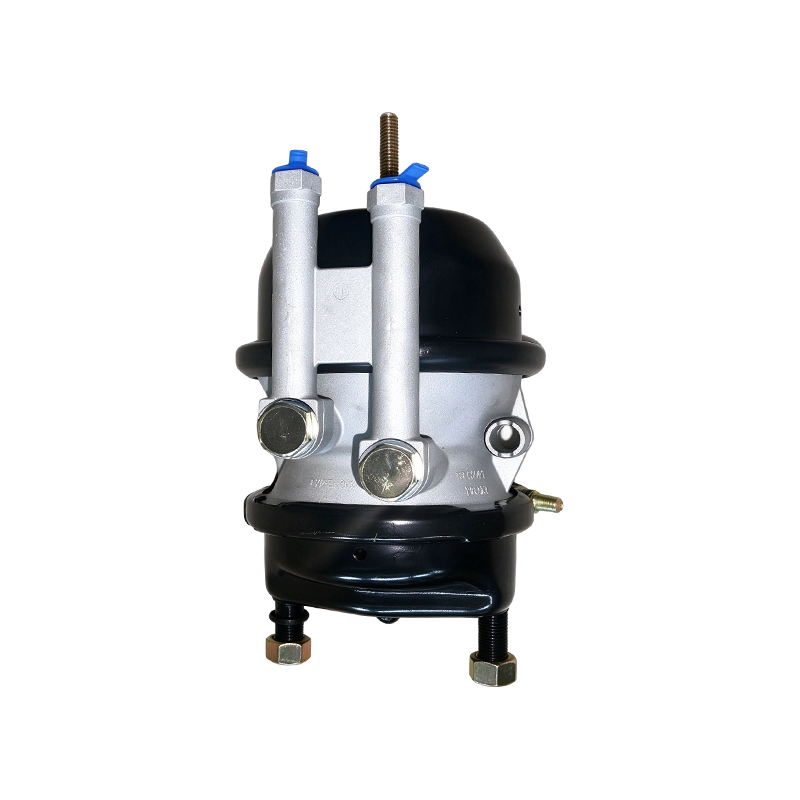
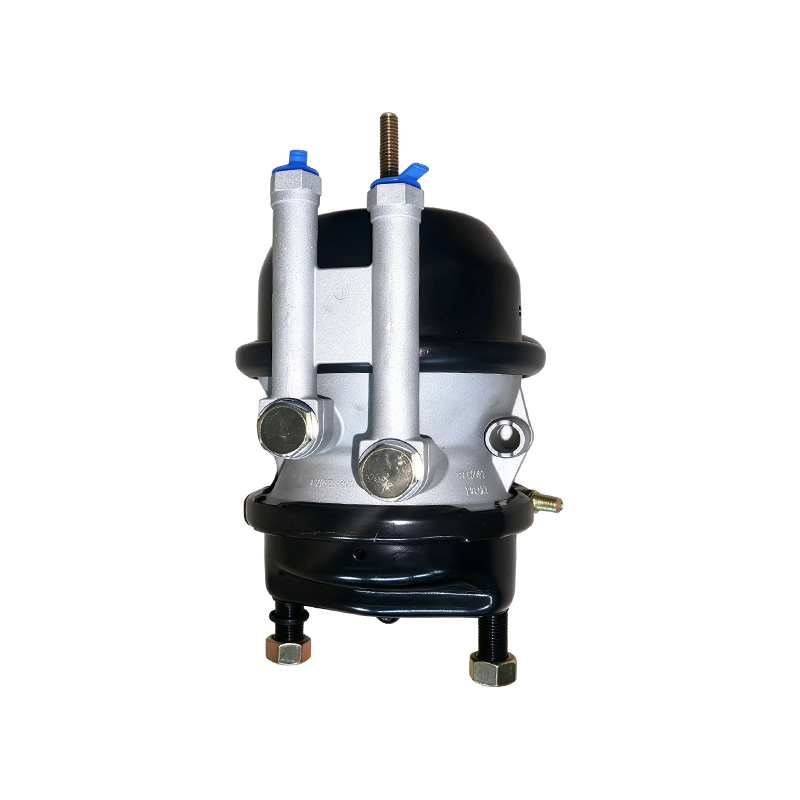
Commercial vehicle safety relies heavily on the integrity of the pneumatic braking system. Within this complex network of valves, lines, and drums, the heavy duty brake chamber stands as the critical conversion point where compressed air energy transforms into mechanical force, pushing the shoes against the brake drum. For fleet managers and heavy-duty mechanics, understanding the distinctions between various chamber types is vital for minimizing downtime and preventing roadside safety violations.
The Mechanical Anatomy of Modern Braking Power
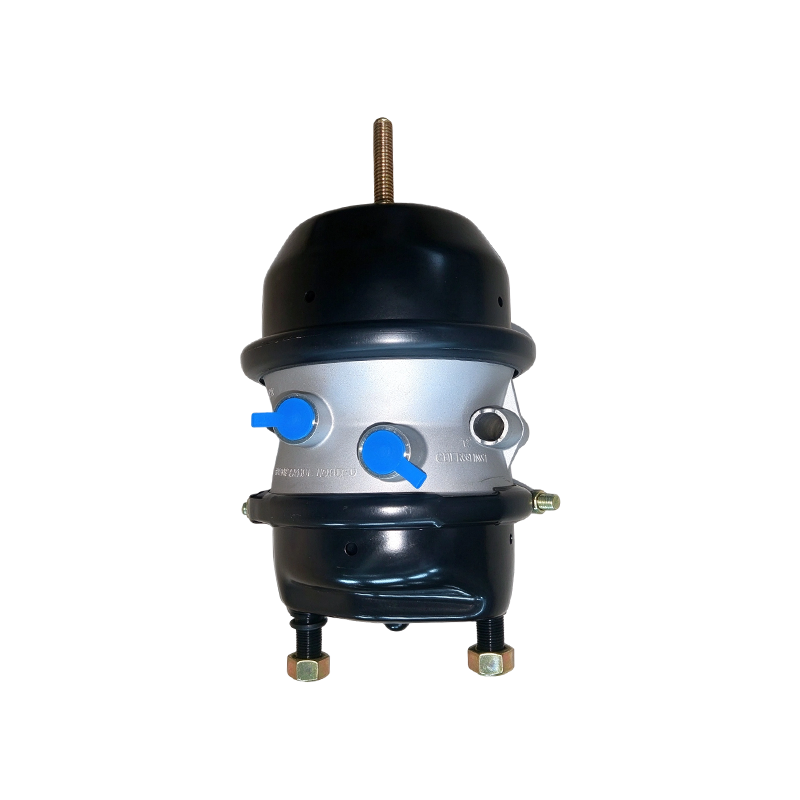
At its core, a heavy duty brake chamber utilizes compressed air to compress a heavy internal return spring and push a rubber diaphragm. This diaphragm exerts pressure on a pushrod connected to the slack adjuster. In a typical commercial truck configuration, these units endure immense physical stress, cycling thousands of times daily under extreme thermal and environmental loads.
Consider a Class 8 linehaul tractor operating at a gross combined weight rating (GCWR) of 80,000 pounds. The braking system must generate thousands of pounds of force instantaneously. If a diaphragm develops micro-cracks or pinholes, air pressure bleeds off, resulting in reduced braking torque, increased stopping distances, and potential Federal Motor Carrier Safety Administration (FMCSA) out-of-service citations during routine inspections.
Comparative Analysis: Standard Clamp-Type vs. Sealed Chambers
When procuring replacement components, maintenance professionals generally choose between two dominant engineering designs. Evaluating their performance characteristics helps optimize lifecycle costs.
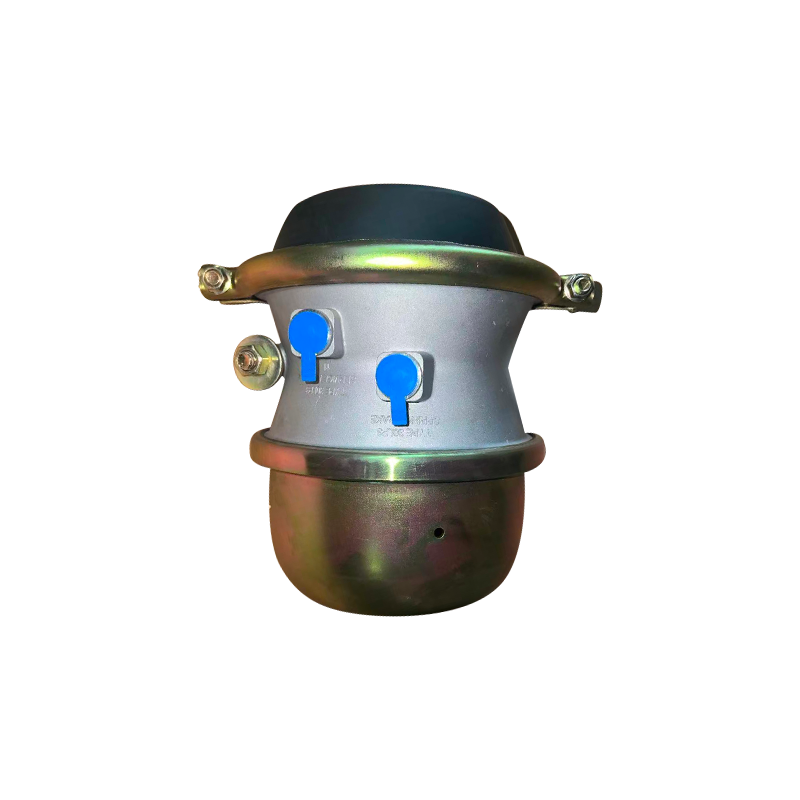
| Feature | Standard Clamp-Type Chamber | Sealed / Weld-Body Chamber |
| Initial Procurement Cost | Lower upfront investment, highly economical for budget-conscious fleets. | Higher initial cost due to specialized manufacturing processes. |
| Serviceability | Modular design allows replacement of service or spring brake sections independently. | Non-serviceable unit; entire assembly must be replaced if failure occurs. |
| Corrosion Resistance | Moderate; clamp bands can trap moisture and road salt over time. | Superior; epoxy powder coating and rolled seams block moisture intrusion. |
| Ideal Operating Environment | On-highway freight, dry climates, and predictable regional routes. | Severe-duty applications, construction, off-road, and high-salt winter regions. |
Evaluating Stroke Lengths: Standard vs. Long Stroke Performance
A common engineering trap in heavy vehicle maintenance is mismatching stroke lengths. The pushrod stroke determines how far the actuator extends when air is applied. Over time, brake drums expand under intense heat during heavy descents, increasing the required stroke length to achieve full contact.
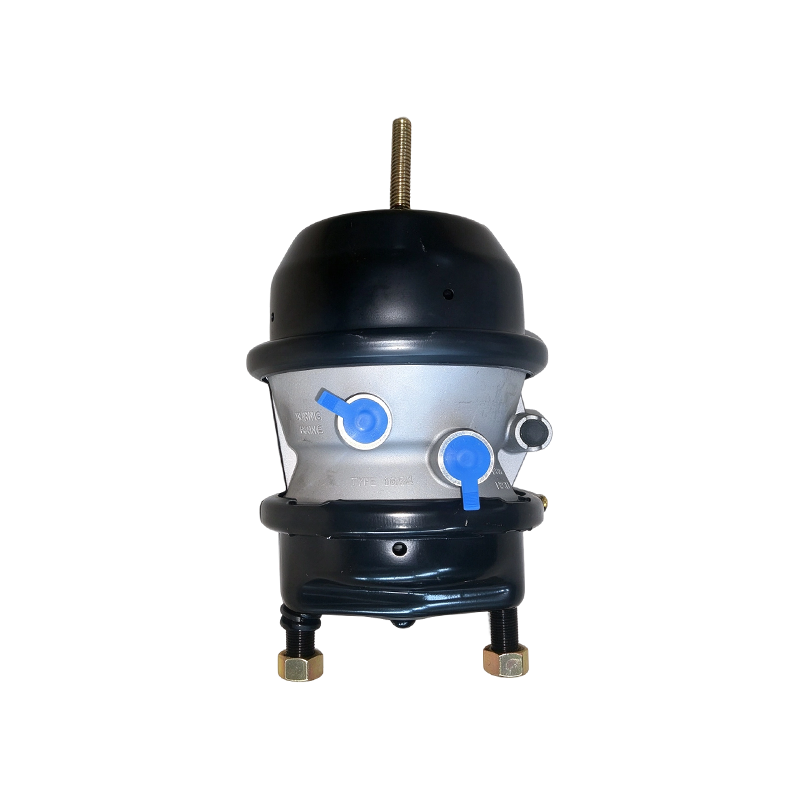
- Standard Stroke Chambers (e.g., Type 30): Designed for traditional setups where slack adjusters are meticulously maintained within tight tolerances. However, they are more susceptible to exceeding maximum stroke limits as linings wear.
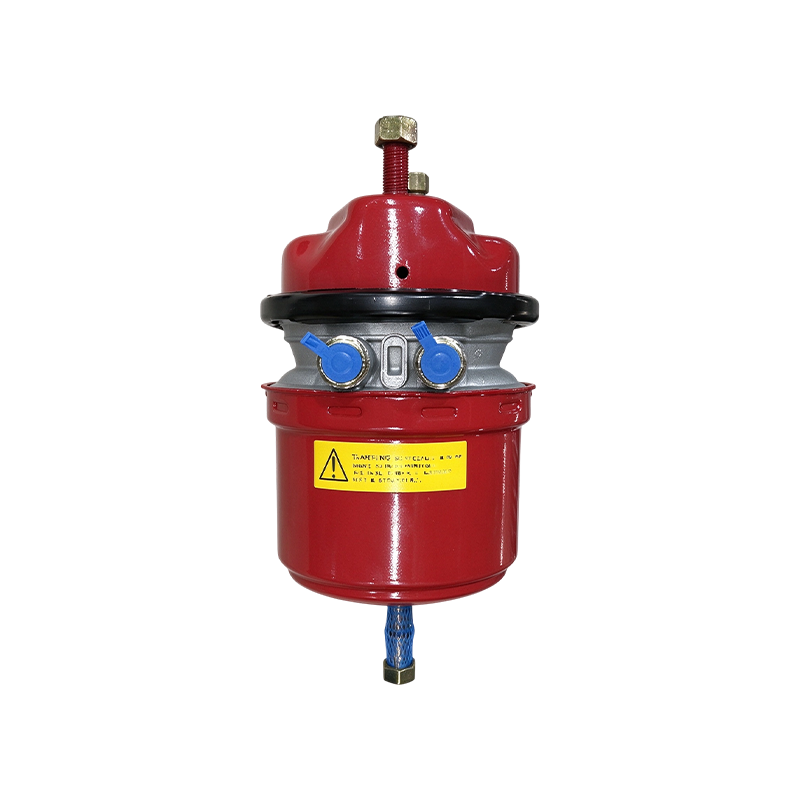
- Long Stroke Chambers (e.g., Type 30LS): Feature an extended pushrod travel capacity (typically 2.5 inches versus 2.0 inches for standard units). Marked with distinct painted port labels or stamped housing rings, long-stroke heavy duty brake chamber options provide an essential safety buffer against out-of-adjustment conditions.
Preventative Maintenance Strategies for Maximum Fleet Uptime
Maximizing the operational lifespan of a heavy duty brake chamber demands a proactive maintenance protocol rather than a run-to-failure mindset. Fleet data indicates that over 35% of air brake system failures stem from contaminated air supply lines rather than internal component defects.
Key Best Practices for Mechanics:
- Air Dryer Maintenance: Replace air dryer cartridges annually or biannually to prevent oil and moisture carryover into the brake chamber, which rapidly degrades internal rubber diaphragms.
- Drain Air Tanks Daily: Manual or automatic purge valves should be checked regularly to eliminate condensation accumulation in wet and dry tanks.
- Visual Boot Inspection: Inspect rubber weather boots for cracking, tears, or chemical degradation caused by road asphalt and petroleum spills.
- Stroke Check Intervals: Measure pushrod travel during every preventative maintenance service (every 30 to 45 days for heavy regional haul fleets).
Total Cost of Ownership and Procurement Considerations
When enterprise fleet managers purchase replacement parts, evaluating the unit price alone can lead to higher long-term expenses. A low-cost heavy duty brake chamber manufactured with substandard spring steel or inferior rubber compounds may fail within 12 months, triggering costly emergency roadside repairs, towing fees, and delivery delays.
High-value procurement strategies focus on OEM-equivalent specifications, heavy-gauge steel housing thickness (aiming for corrosion-resistant coatings exceeding 500-hour salt spray test ratings), and robust warranty backing. Investing an extra margin upfront into premium heavy duty brake chamber technology consistently yields lower cost-per-mile metrics over a vehicle's multi-year operating lifecycle.
Frequently Asked Questions
What causes a heavy duty brake chamber to fail prematurely?
Premature failure is typically caused by moisture and oil contamination from the air system, which breaks down the internal rubber diaphragm, or physical damage to the exterior weather boot allowing road grit to enter the housing.
How do I know if my truck requires long-stroke brake chambers?
Long-stroke chambers are usually identified by a stamped label on the housing or a painted port. They are required when operating conditions or specific axle setups experience accelerated drum expansion, helping prevent out-of-adjustment roadside violations.
Can you mix standard and long-stroke chambers on the same axle?
No. Never mix standard stroke and long-stroke chambers on the same axle. Doing so will cause uneven braking force distribution, resulting in vehicle pull during stops and erratic tire wear.
What is the typical lifespan of a commercial vehicle brake chamber?
Under normal operating conditions and with proper air dryer maintenance, a high-quality heavy duty brake chamber typically lasts between 3 to 5 years, or roughly 300,000 to 500,000 miles.
Is it safe to repair a damaged spring brake section?
No. The internal spring brake section stores extreme mechanical energy capable of causing severe injury if disassembled improperly. Damaged or leaking spring brake units must be replaced entirely as a complete assembly.



-
A truck pulls into the shop with the low-air warning light flickering at the end of a delivery rout...
-
A Sourcing Scenario Every Fleet and OEM Buyer Should Recognize A fleet maintenance supervisor appro...
-
A fleet running 40-ton tractors can feel the difference between two nominally identical S-cam brake...
-
A heavy duty brake chamber that fails at 200,000 miles instead of 600,000 miles is rarely a design ...
-
The modern commercial transport industry relies heavily on air brake systems to ensure fleet safety...
-
Direct Comparison Summary A Heavy Duty Brake Chamber generally delivers superior sealing performanc...

- WHY US
- Company Profile
- Certifications
- News
- PRODUCTS
- S-Cam Type Brake Chamber
- DISC Brake Chamber
- Wedge Brake Chamber
- Piggyback Brake Chamber
- Brake Chamber Repair Kits
- MANUFACTURING
- Customer Service
- Factory Tour
-
-
No.90 Zhancheng Avenue, Zhuji City, Zhejiang Province, China

-
rongzhan@zjrongzhan.com / judith@zjrongzhan.com

-
+86-15258814607

-
- CONTACT


